
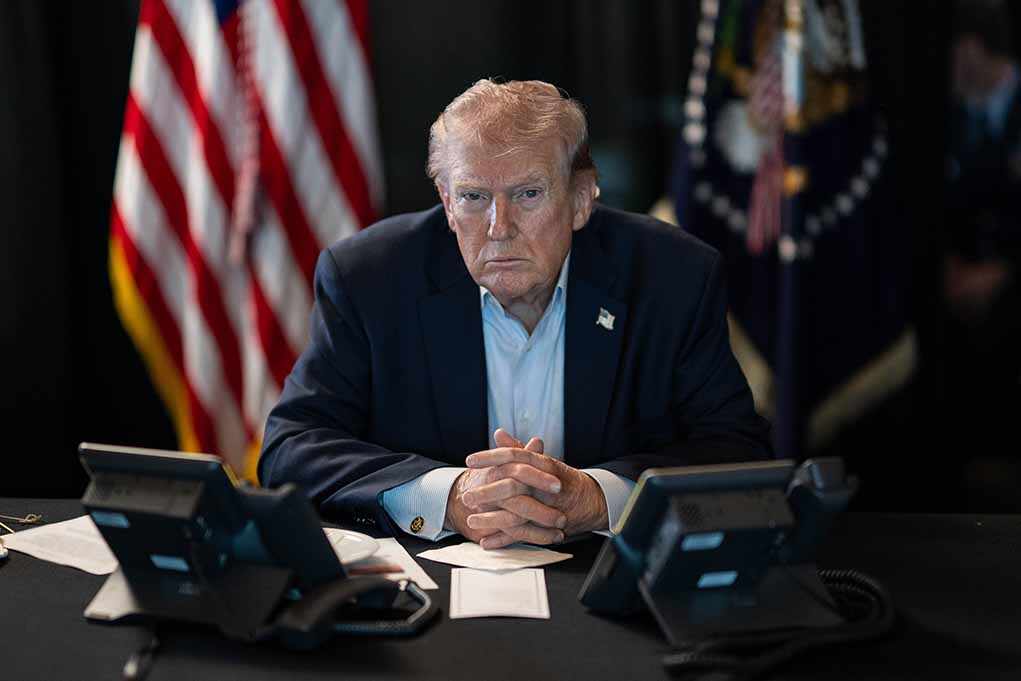
President Trump will host China’s Xi Jinping in Washington for a high-stakes state visit centered on trade, Taiwan, Iran, and artificial intelligence.
At a Glance
- Trump plans to greet Xi at Joint Base Andrews and host a White House state dinner
- Talks will target stability on trade, Taiwan, Iran, and artificial intelligence
- September 24 is the anchor date repeatedly cited for the visit
- Officials have floated selective tariff relief as a live discussion item
A State Visit With Real Stakes, Not Just Pageantry
President Trump will welcome Xi Jinping to Washington for their second meeting this year, with the White House preparing a formal arrival and state dinner. Multiple reports say Trump will greet Xi at Joint Base Andrews before bilateral talks at the White House. The schedule centers on September 24, a date repeatedly cited since Trump’s invitation in May and reaffirmed in later reporting. The optics matter, but the substance will decide if markets, farmers, and factories feel relief soon.
Senior officials describe a program built to show control and reduce friction. The leaders will meet on core flashpoints: trade balances and tariffs, Taiwan security tensions, Iran’s regional behavior, and the fast-moving field of artificial intelligence. The White House itinerary, as described by regional reporting, includes meetings and a state dinner hosted by the president and first lady for Xi and Peng Liyuan, signaling a full state-level protocol push to steady the relationship.
Trade Talks: Narrow Deals Can Punch Above Their Weight
Reporting flags selective tariff relief as a live option, not a blanket rollback. That kind of move would be classic summit craft: limited but targeted cuts that help key sectors while talks continue. Even small tariff trims can matter to farmers, small manufacturers, and retailers racing holiday inventories. Markets will parse any language on non-tariff barriers, agriculture access, and customs enforcement. The most likely near-term outcome is managed trade steps that keep channels open while bigger fights wait.
Officials on both sides also understand the politics. Any step that lowers costs for American families without gutting leverage helps the White House claim a win. Beijing prefers stable terms that support exports and technology access. Washington wants to protect critical supply chains and keep pressure on unfair practices. A narrow deal can advance each side’s needs without conceding ground on the larger contest for technology leadership and national security.
Taiwan And Iran: Keep Calm Mechanisms, Not Grand Bargains
Taiwan risks will loom over every camera shot. Washington seeks clear red lines against coercion and wants hotlines that actually work. Beijing will press its claims and warn against deeper U.S. ties with Taipei. Expect the language to focus on de-escalation, military-to-military contact, and crisis protocols that avoid miscalculation at sea or in the air. These are the kinds of steps that save lives and avoid markets whipsawing on every patrol intercept.
Iran policy will also feature in private talks because missile flows, oil prices, and maritime security ripple through both economies. The United States wants tighter constraints on support to Tehran’s networks and steadier energy flows. China wants predictability for crude imports and less risk in shipping lanes. Neither side will trade away core interests, but both can gain by reducing surprises that raise costs for everyone.
Artificial Intelligence: Guardrails Before Gadgets
Artificial intelligence is the shiny object, but the real work is guardrails and export control clarity. U.S. officials have considered a side meeting with technology executives on the margins, a sign they want practical input on safety and misuse risks. The administration will push to keep advanced chips and tools out of military pipelines while backing innovation at home. Beijing will argue for fewer curbs. The best near-term step is a standing AI risk channel that flags red lines before code turns into crisis.
Here is the common-sense filter. Summits rarely end the hardest fights in one sitting. Good summits lower the chance of a bad week for American workers, investors, and troops. If Trump and Xi lock in small but real progress—fewer tariffs on key goods, clearer hotlines, and an AI risk forum—that is a win for stability. If they also set a timeline for next steps, even better. Ceremony opens the door; discipline and follow-through decide what walks through it.
Sources:
facebook.com, reuters.com, chosun.com, businesstimes.com.sg, livemint.com, bbc.com
© targetliberty.org 2026. All rights reserved.