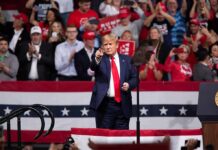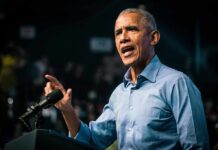

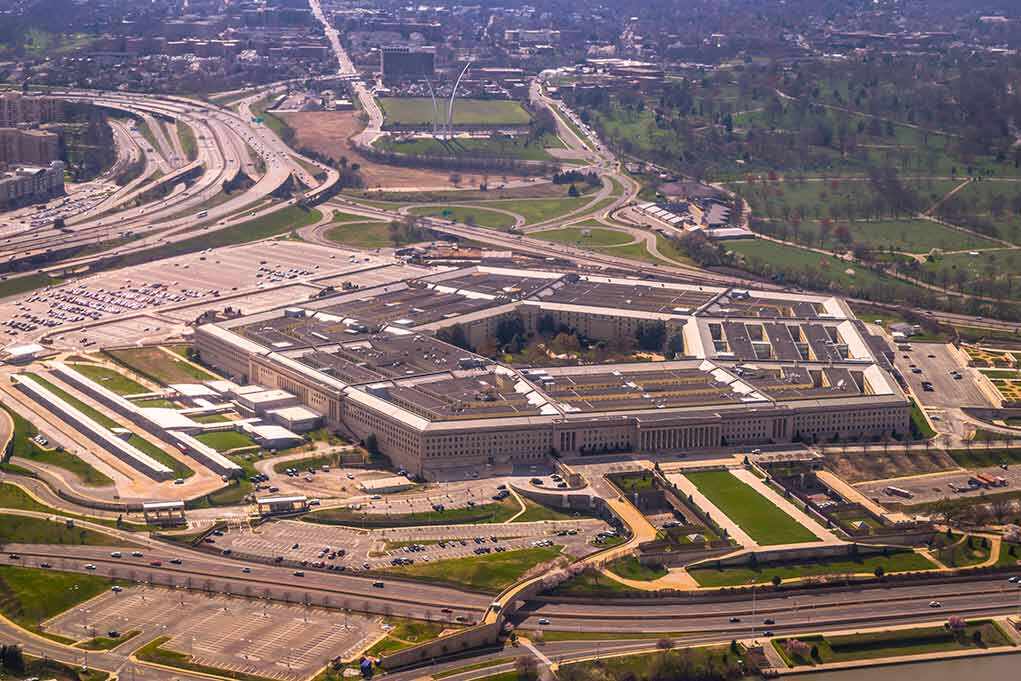
Vice President JD Vance says he will not watch the Pentagon’s planned livestream of the Fort Hood gunman’s execution—and that simple choice spotlights the real line between justice and spectacle.
Story Snapshot
- Vance rejects watching the livestream, separating the death sentence from the broadcast debate.
- The Army set a December 3, 2026 Fort Hood firing squad execution after presidential approval.
- Defense leaders said the execution will be livestreamed to make consequences public.
- Lawmakers, clergy, and international officials slammed the broadcast plan as degrading or worse.
What Vance’s Refusal Actually Signals
Vance made a crisp point without a lecture: he supports justice, but he will not tune in. That stance draws a clear boundary many Americans feel but rarely state. Punishment must be sure and sober. Broadcasting it risks turning it into a show. For conservatives who back the death penalty in rare, heinous cases, the concern is not mercy. It is moral order. State power should punish evil. It should not chase clicks.
The Army’s record lays the groundwork for that split view. It says a court-martial convicted Nidal Hasan of 42 counts in 2013 and set a death sentence. President Trump approved the sentence on October 2, 2026. The Acting Secretary of the Army then scheduled a firing squad for December 3 at Fort Hood. The Army cited the governing regulation for timing and process. Those are sober, traceable steps. None of that requires a global broadcast.
How The Livestream Became The Flashpoint
Defense officials framed the planned broadcast as transparency. The Defense Secretary said people should be able to watch and understand that serious crimes bring serious consequences. The Pentagon later said the execution “will be livestreamed.” That leap—from witnesses to worldwide video—is the trigger for this fight. It moves from public accountability, which Americans accept, to mass distribution, which history warns becomes theater, not civics.
Major outlets called the plan a first-of-its-kind broadcast. That novelty drove pushback across the aisle. Critics argued public executions mark oppressive regimes, not confident democracies. They warned the stream would not deter crime and would instead degrade the nation. These are not fringe voices. They include senators, representatives, and faith leaders who support justice for the victims but reject making the death itself a feed.
The Conservative Test: Justice Without Voyeurism
American conservative values revolve around rule of law, responsibility, and restraint. The Army’s process reflects that. A verdict. A sentence. Lawful authority to carry it out. The broadcast plan does not add justice; it adds an audience. When the state turns punishment into an event, it risks teaching the wrong lesson. Vance’s choice meets the conservative test. Hold the line on punishment for evil. Decline the part that turns citizens into spectators of death.
🚨 CONTROVERSY: The Pentagon’s plan to livestream Fort Hood shooter Nidal Hasan’s December 3 execution by firing squad is drawing bipartisan backlash.
The last firing squad was for Army deserter Eddie Slovik executed during World War II.
🇺🇸 Should executions be livestreamed? pic.twitter.com/stF8nC8GkD
— Greg 🇺🇸 ✭ (@GregB_TX) October 11, 2026
History backs that caution. The United States moved away from public executions after the 1930s, keeping small pools of press and official witnesses to report what occurred. That model balances transparency with dignity. Reporters can describe the process and expose failures without inviting viral replays. Legal experts note there is no clear precedent for livestreaming a military execution, and officials have not released detailed access rules or legal grounds for a broadcast. That vacuum invites distrust.
What Still Needs Answers Before Any Broadcast
Basic questions remain. Who can watch, and how will minors be blocked? Will the stream be live or delayed? Can viewers record and repost? What will cameras show, and who controls the edit? What law or regulation allows it, and what court review applies? The Pentagon has said details will follow. Until rules and legal authority appear in writing, the plan relies on trust alone. On a matter this grave, trust must ride on rules, not promises.
Why Vance’s Line Could Become The Middle Ground
Most Americans want justice for the 2009 Fort Hood victims. Many also want the government to act with gravity, not showmanship. Vance’s “won’t watch” stance threads that needle. It affirms the sentence while rejecting spectacle. That may prove the lane for a divided country: carry out lawful punishment; document it for the public; stop short of turning death into content. If leaders adopt that standard, the nation keeps both its spine and its soul.
Sources:
facebook.com, bbc.com, npr.org, cnn.com, army.mil, nbcnews.com, cbsnews.com
© targetliberty.org 2026. All rights reserved.