
Washington chose to issue visas to Flávio Bolsonaro and his family even as Brazil moved to seize his passports and bar his exit—a classic collision of law, politics, and leverage.
Story Snapshot
- A senior State Department official said visas will be issued to Flávio Bolsonaro and his family.
- Brazil’s Supreme Court ordered him to surrender his passports and not leave the country.
- Reports say President Trump approved allowing entry amid fast-moving events.
- Allegations in Brazil are serious but unresolved; no U.S. adjudication has been made.
What Washington Actually Did—and Did Not—Do
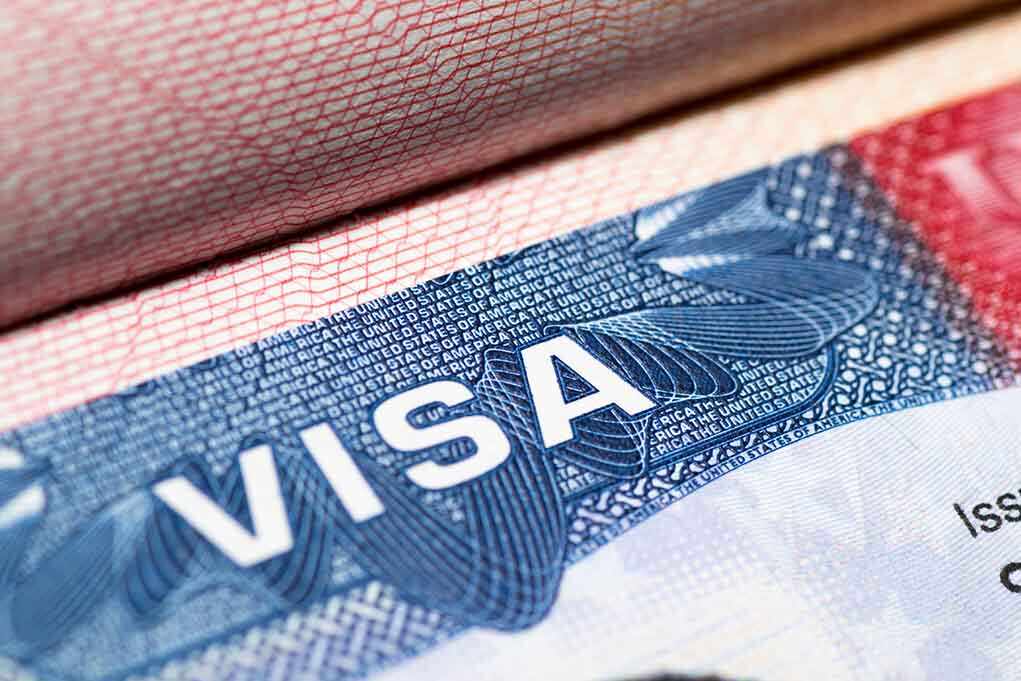
A senior State Department official told reporters the United States would issue visas to Flávio Bolsonaro and his family and allow their entry. The official spoke anonymously because visa records are confidential under law. Separate reports said President Trump approved the decision as timelines tightened after Brazil’s court ordered the surrender of passports within 24 hours. The government did not disclose the visa category, duration, or conditions. That silence is standard under visa-confidentiality rules, not proof of special treatment.
Issuing a visa does not decide Brazil’s criminal case. It also does not erase Brazil’s court order. U.S. consular officers make entry decisions under American law. Brazilian judges enforce Brazilian orders. That split creates diplomatic friction, but the lanes are different. Reports describe allegations of corruption and money laundering, but no U.S. finding on the merits. The United States acted on admission, not guilt or innocence.
The Brazilian Squeeze: Orders, Canceled Passports, Unclear Exit
Brazil’s Supreme Court, through Justice Alexandre de Moraes, ordered Bolsonaro to hand over his passports and barred him from leaving. Brazilian media then reported cancellation of his ordinary and diplomatic passports when he missed the deadline. Coverage diverged on how and when he left. Some outlets said he arrived in the United States; a police source cited by others said there was no formal departure record. That gap fuels drama but does not change what U.S. officials say they will do next.
Brazil’s president, Luiz Inácio Lula da Silva, sharpened the political edge. He called the departure shameful and said someone who flees fears something. He argued Bolsonaro should have remained to prove the accusations wrong. Those are political claims, not court rulings. They matter for optics and diplomacy, especially when timed to an election defeat and an active probe, but they do not bind U.S. immigration law.
Why the United States Might Choose a Visa Anyway
American policy blends immigration law with foreign policy signals. Congress armed the State Department with tools to bar foreign officials and their immediate families when credible evidence shows significant corruption. The same framework leaves room for case-by-case judgments and national-interest waivers. The law also shields visa records, which means the public sees the outcome but not the memos that explain it. That opacity invites criticism, but it is how the system is built.
Critics say the move looks like favoritism for a political ally after a loss. Supporters will say the presumption of innocence and due process still matter when charges are not proven. Both can be true at once. American conservative values stress individual due process over trial by headline. They also stress sovereignty: the United States sets its own admission rules. A careful government can honor both by screening hard, admitting lawfully, and refusing to prejudge a foreign case.
The Open Questions That Will Decide the Narrative
Key details remain undisclosed. The visa class shapes the stakes. A short-stay visa signals limited hospitality. A longer-term visa hints at a planned residence. Reports said some family members could travel on Italian passports for brief visits, but visas would be needed for longer stays. That line tracks with practice, not politics, but the category and any conditions will define the policy cost if Brazil’s case advances.
State Department says it will give US visas to defeated Brazilian presidential candidate Fl vio Bolsonaro and his family, reports AP. pic.twitter.com/Mjye0ujLBz
— Press Trust of India (@PTI_News) October 28, 2026
Another hinge point is timing. Reports say senior U.S. officials moved while the 24-hour clock ran on the Brazilian order. That suggests a deliberate choice, not mere inaction. If confirmed in records later, the White House and State Department will need to explain how they weighed relations with Brazil against legal discretion and humanitarian or security considerations. That is not scandal by itself. That is statecraft in the open, with rivals grading every move.
Sources:
facebook.com, bbc.com, npr.org, dw.com, afp.com, edition.cnn.com, politico.com, bbc.co.uk, thecanadianpressnews.ca, folhape.com.br, fam.state.gov
© targetliberty.org 2026. All rights reserved.