

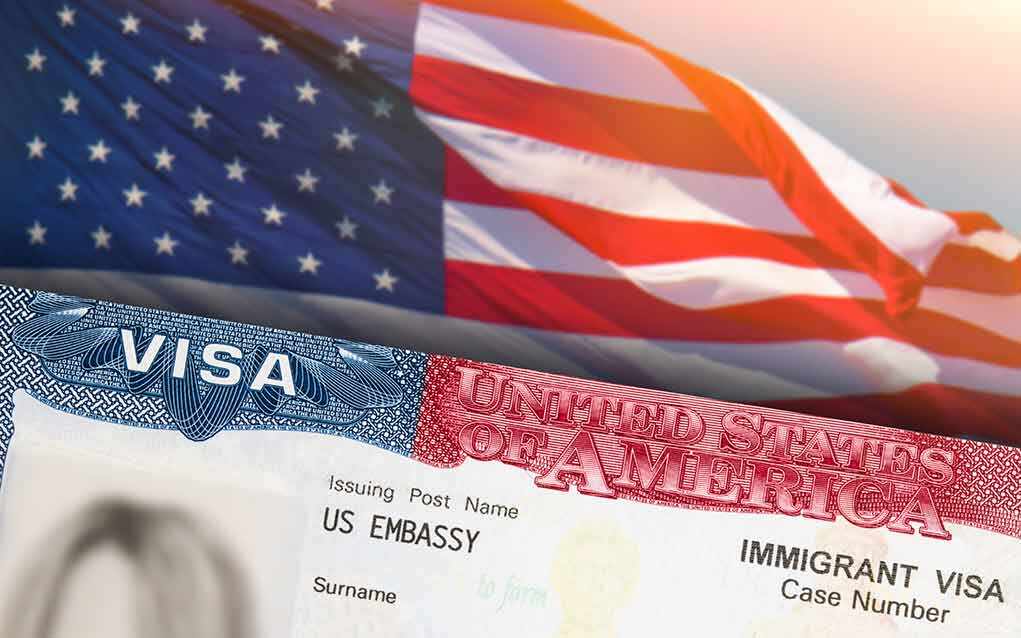
Homeland Security just shut a quiet back door to U.S. soil in the Western Pacific, citing spy risks and birth tourism in the shadow of American bases.
Story Snapshot
- DHS suspended visa-free entry for Chinese nationals to the Northern Mariana Islands over security and birth tourism risks.
- The agency warned the program could aid espionage targeting U.S. military infrastructure near Guam.
- The halt covers new applicants and already-approved travelers, forcing most to seek visas.
- CNMI leaders fear economic pain and contest parts of the security narrative.
What DHS Did, and Why It Matters Now
The Department of Homeland Security suspended a visa-exempt travel pathway that let some Chinese nationals fly into the Commonwealth of the Northern Mariana Islands without a traditional visa. The agency linked the move to security worries near the U.S. defense footprint in the region and to birth tourism risks under looser screening. The notice said the program could be exploited for intelligence collection against sensitive sites, including areas tied to Guam’s military role. The action takes effect immediately and narrows access while reviews continue.
The decision closes an opening created to boost tourism and business in a small U.S. territory. It also signals a wider posture on China and national security. The Northern Mariana Islands sit next to Guam, a front-line logistics hub for the U.S. Navy and Air Force. Federal officials also flagged past smuggling cases from the Northern Mariana Islands to Guam, with some suspects later found close to restricted locations, heightening concern about exploitation of looser entry rules.
The Program That Lowered the Gate
The visa-exempt pathway allowed prescreened travelers from China to enter the Northern Mariana Islands for short visits without a U.S. consular visa. That shortcut replaced the deeper checks common at U.S. embassies. Homeland Security said this trade of speed for screening created unacceptable risk as entry volumes grew. The department concluded Chinese nationals were almost certainly exploiting the program and decided the risk now outweighed the economic upside. It applied the halt to both future applicants and active authorizations.
Birth tourism sat squarely in the department’s sights. Officials argued that reduced vetting may have lowered barriers for women aiming to give birth on U.S. soil. The notice went further, warning that birth tourism may be used to set up longer-term intelligence activities. That connection will face scrutiny without public case files, but the government framed the step as prevention, not proof of a completed plot. Given the stakes around Guam and nearby ranges, that logic tracks with a conservative reading of risk.
The CNMI Pushback and Local Stakes
Commonwealth leaders urged a path to restart the program. Delegate Kimberlyn King-Hinds said lawmakers had cited incidents tied to a prior parole system, not the current visa-exempt pathway. She also said tourist births fell by 19 percent from 2024 to 2025 after the program began, undercutting the idea that the new rules fueled a surge. Her office stressed that the program included built-in safeguards that allowed suspension when needed and pledged to work with federal partners to address concerns.
DHS is suspending a visa-free travel program for Chinese nationals visiting the Northern Mariana Islands, citing birth tourism and security concerns. The suspension takes effect Oct. 30. #DHS #Immigration
— Eastside Wired (@EastSideSitDown) October 27, 2026
Business owners in Saipan warned that tourism is already thin. They said losing Chinese travelers will hurt airlines, hotels, and small shops. The delegate called the move a suspension, not a termination, but warned that a long disruption would have serious effects on workers and families across the islands. Those arguments carry weight for a territory that rides the ups and downs of visitor arrivals. Yet in a contest between near-base security and tourism volume, security tends to win.
How This Fits the Bigger U.S. Playbook
Washington has long used flexible entry rules to spark island tourism, then tightened them when security concerns rose. The Northern Mariana Islands highlight that turn of the dial. The broader U.S. Visa Waiver Program already allows the Secretary of Homeland Security to pause a country’s access when risk spikes, and to restore it when conditions improve. This suspension follows that same risk-first model, adapted to a U.S. territory near vital military infrastructure. Expect future reviews to weigh smarter screening against a full shutdown.
What To Watch Next
First, watch for the full Federal Register text to resolve timing details and spell out the evidence cited by Homeland Security. Second, track whether federal and Commonwealth officials pilot tighter tools—shorter stays, more biometrics, targeted revocations—that could revive some travel while holding the line on risk. Third, look for case disclosures tying illegal Northern Mariana Islands-to-Guam travel to surveillance near bases; named cases or affidavits would move this from risk theory to documented pattern.
Sources:
nypost.com, us.headtopics.com, islapublic.org, ground.news, rnz.co.nz
© targetliberty.org 2026. All rights reserved.