
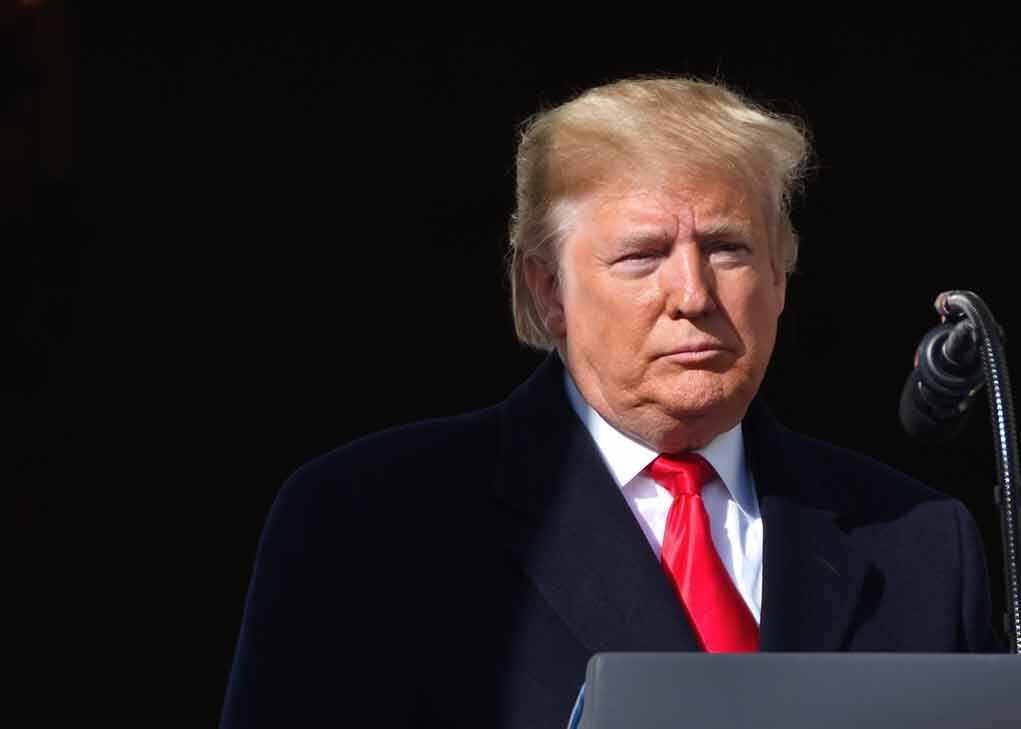
A federal judge just told President Trump to answer questions under oath about a BBC edit the broadcaster already apologized for—because the court wants the full story on the record.
Story Snapshot
- The judge ordered Trump to sit for a deposition by December 11 in his $10 billion defamation case.
- The BBC admitted its edit created a mistaken impression about Trump’s January 6 speech.
- The broadcaster apologized but denied defamation and said there was no malice.
- Discovery now decides whether an editing “error” crosses into legal liability.
The Court Order That Forces Answers
A federal judge set a hard deadline: Trump must give a deposition by December 11 in his defamation lawsuit against the British Broadcasting Corporation (BBC). The order moves the case beyond press releases and into sworn testimony. The court also signaled that missed deadlines can trigger sanctions, even dismissal. That pressure makes the next few weeks decisive. If Trump lays out detailed harm and intent claims, the case gains shape. If he stalls, the court has tools to respond.
The dollar figure keeps headlines hot, but the order is the real heat. Discovery now forces both sides to put up documents, timelines, and decision notes. Trump wants to prove the edit was not only wrong, but reputationally deadly. The BBC wants to show a production mistake, not defamation, and no measurable harm. The judge did not rule on the merits. The judge cleared the path to evidence. That is where strong defamation suits survive, or die.
What The BBC Admitted—And What It Denies
The BBC said its documentary edit stitched separate lines of Trump’s January 6 speech into what looked like one continuous call, which could give viewers a “mistaken impression” that he urged violence. The chair called it an error of judgment and apologized to Trump. The BBC still rejected any basis for defamation and said the edit lacked malice. It also argued Trump suffered no harm, pointing to his re-election after the program aired.
These positions draw the legal battlefield. Defamation law protects robust speech, yet it punishes false statements that damage reputation. For a public figure, the bar is higher: he must prove actual malice, meaning knowledge of falsity or reckless disregard for truth. An apology can help show responsibility. It does not concede malice. The BBC’s stance aims at that point: admit the error, deny the intent, and dispute damages.
The Edit At Issue And Why It Matters
Reports describe the edit as a splice of lines from separate parts of Trump’s speech, which made distinct moments appear as one sequence. The BBC’s own statement says the final clip created a wrong impression of a direct call for violence. That is not a small framing dispute. It strikes at Trump’s character and the lawful conduct he urges from supporters. The BBC’s on-record regret confirms the misleading effect, but reserves the broadcaster’s legal defense.
Reasonable viewers care about sequencing. When you present nonconsecutive lines as a single clip, you change meaning. Conservative audiences have long warned about this kind of cut. They call it narrative over facts. The BBC’s apology suggests the same concern landed in its own review. The law still asks the hard questions: Did editors know the message would be false? Did they ignore clear warnings? Did that moment cause real, provable harm? Those answers decide the case.
What Discovery Must Prove Next
Trump needs internal emails, edit decision lists, and scripts to argue that producers knew the sequence misled viewers and ran it anyway. He also needs evidence that the broadcast caused real losses, not just anger. That means polling, contracts, and expert analysis. The BBC will push back with review notes, legal checks, and audience context to show a mistake without malice, and no material damage. The judge’s order makes these records fair game now.
The news article from the Associated Press reports that a federal judge has ordered Donald Trump to sit for a deposition in his defamation lawsuit against the BBC by December 11.
— Ric Ball 🌈✌️🤟🏼 🕎🌻🚫fascism. (@ricball) October 22, 2026
Here is the common-sense bottom line. If the edit changed the meaning from tough rhetoric to a call for violence, that crosses a red line in journalism. If the edit was a clumsy summary without intent to mislead, and it did not harm Trump, it likely falls short of defamation. The court has placed both stories under oath. That is good for trust. Viewers deserve clarity, and the law works best when the tapes, not the spin, lead the way.
Sources:
cbsnews.com, nbcnews.com, wrtv.com, bbc.com
© targetliberty.org 2026. All rights reserved.