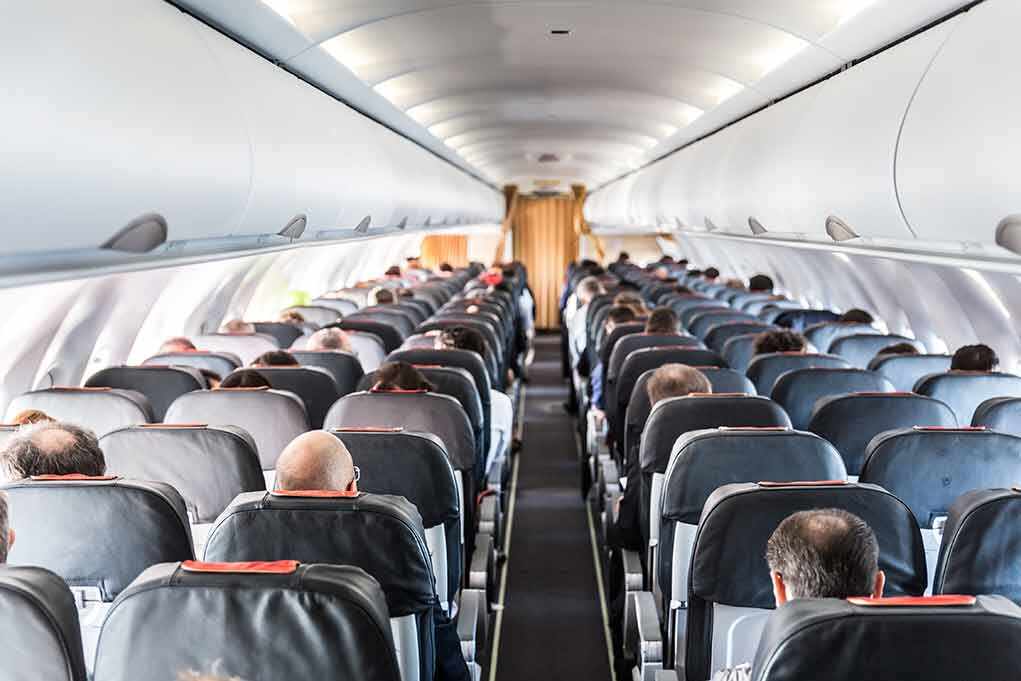
The pilot declared an emergency because a leaking lavatory faucet sent water across the cabin floor and raised fears about aircraft electronics.
Story Snapshot
- Frontier’s Denver-to-Detroit flight diverted to Chicago O’Hare after a forward lavatory leak.
- The pilot reported cabin flooding and concern about electronics in air-traffic-control audio.
- Frontier said the faucet “sprung a leak,” water spread along part of the floor, and no injuries occurred.
- Passenger video showed pooled water in the aisle, matching the crew’s account.
Water On The Floor, Mayday On The Radio
Frontier’s flight from Denver to Detroit diverted to Chicago O’Hare after water from the forward lavatory faucet flowed into the cabin aisle on November 11. The captain radioed an emergency and asked to land, citing concern that water could reach electronics. Newsrooms reported the audio and the request to divert. Frontier said the faucet “sprung a leak,” and that the plane landed safely with no injuries. Video showed a soaked aisle, backing up the crew’s description.
The route and diversion sequence remained consistent across outlets: departure from Denver, destination Detroit, leak in flight, diversion to O’Hare, safe arrival. The airline described a lavatory faucet failure rather than a waste tank or drain line issue. That detail matters because fresh-water leaks spread fast across smooth flooring and can migrate forward or aft with pitch changes. Crews weigh those dynamics against nearby wiring runs when choosing to divert.
Why A “Simple” Leak Triggers A Serious Call
Federal Aviation Administration guidance warns that leaks from lavatory systems can create secondary hazards, including water reaching wiring or freezing where insulation is thin. The National Transportation Safety Board has investigated cases where lavatory or cabin fluid contaminated electrical connectors and caused faults. One report linked water contamination to an uncommanded roll event after it reached electronics. Those precedents explain why a captain worries about “electronics” when the floor is wet.
Airplane floors hide more than carpet and seat tracks. Beneath panels and in raceways, bundles of wires carry power and data to systems across the jet. Water that creeps under trim, wicks along soundproofing, or seeps through seams can find those harnesses. The fix is not brute force. Pilots manage the leak source if possible, protect power where needed, and get on the ground before moisture meets a connector. The safest choice is often the nearest long runway with good support.
What The Airline And The Videos Show
Frontier’s statement named the forward lavatory faucet as the source and said water “flowed along a portion of the aircraft floor.” The carrier also said there were no injuries and that the landing was safe. ABC7 Chicago reported video that showed a wet aisle and pooled water near seats, which tracks with a faucet leak moving aft along the floor. That visual record strengthens confidence in the basic sequence the crew and airline described.
#MAYDAY: Frontier Flight 3566 diverted to Chicago O’Hare after massive water leak from forward lav.
✈️ Aircraft: Airbus A321neo N688FR (MSN 13228, Mickey the Moose livery)
📍 Route: Denver (DEN) → Detroit (DTW)
🔢 233 souls on board, ~11,000 lbs fuel remainingPilot reported… pic.twitter.com/KnUdOP6BPI
— SLCScanner (@SLCScanner) November 11, 2026
Reports differed on the flight number, with some listing Flight 3566 and others 3655. Outlets agreed on the airplane’s path and outcome. Frontier’s dispatch logs and airport records would resolve the number, but the core facts do not hinge on that detail. What matters for passengers is that the crew declared an emergency, diverted, and landed safely. That is the standard playbook when water threatens critical systems.
What Comes Next: The Practical Checklist
Post-flight, maintainers trace the leak, dry affected areas, and check wiring and avionics for moisture. They review faults, inspect panels and insulation, and test systems before the airplane returns to service. If a fitting cracked or a valve failed, records will show the replaced parts and any follow-up checks. The smart takeaway for travelers is simple: a wet aisle is not a nuisance; it is a systems risk. A quick diversion is the conservative, common-sense choice.
Sources:
nypost.com, nbcchicago.com, cbsnews.com, abc7chicago.com
© targetliberty.org 2026. All rights reserved.