

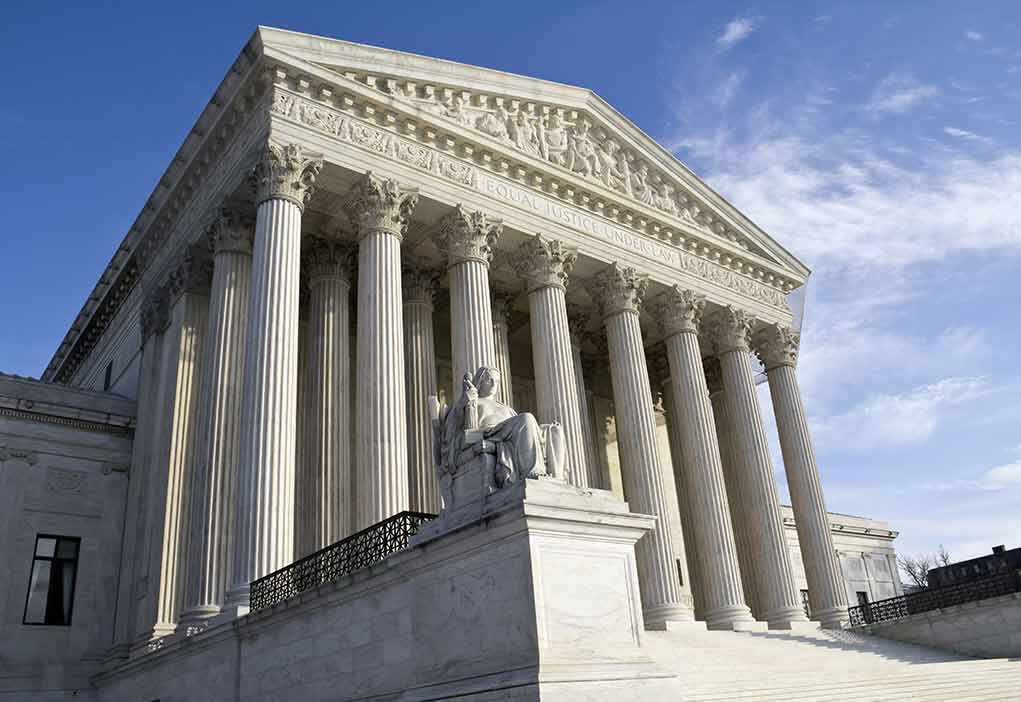
Justice Samuel Alito warned that Congress could “turn off the lights” at the Supreme Court by cutting its funding, and he tied that power to the fate of judicial independence.
Story Snapshot
- Alito said Congress can defund Supreme Court operations and halt activity.
- He linked budget power to the Court’s independence and the Constitution’s stability.
- The warning came days after Democrats won both chambers of Congress.
- The Constitution gives Congress the purse strings over federal spending.
What Alito Said And Why It Landed With Force
Justice Samuel Alito told a packed Federalist Society dinner that Congress can “turn off the lights at the Supreme Court” by defunding its operations. He then warned that judicial independence hangs on whether elected officials respect limits that the Constitution expects but does not always detail. He also said that if independence fails, the Constitution we know would change in practice, even if its text stays the same. Reporters framed the message as a direct warning to lawmakers.
Alito’s timing drove the point home. His remarks followed news that Democrats had secured control of the House and Senate. That outcome gives one party leverage over committees, hearing calendars, and appropriations riders. The warning arrived less than two weeks after those wins, which made listeners ask how far a new majority might go and how quickly. The message was not subtle: money can move institutions, even when the law says judges keep their pay.
How Congress Could Squeeze Without Firing A Single Justice
Congress holds the nation’s checkbook. The Appropriations Clause states that no money leaves the Treasury unless Congress approves it. Congressional research primers make clear that this rule covers the judiciary’s operating funds, from staff to lights to building upkeep. Salary protections for judges remain, but clerks, security, information systems, and facilities do not. A majority could hold or trim those lines. That would slow opinions, shrink capacity, and strain the Court, even if the justices still receive pay.
History shows the judiciary depends on annual appropriations for most of its needs. Budget requests, like those for the coming fiscal year, spell out billions for core operations across the courts. Congress sets that amount in the yearly Financial Services and General Government bill, which also carries terms that can shape how funds are used. The Federal Judicial Center notes that congressional appropriations have been the judiciary’s main support since the early Republic. This is the lever Alito flagged.
Why Independence Matters More Than A Power Play
Alito’s point rests on a basic rule: each branch checks the others, but none should choke another’s core job. Funding power is real, but so is the duty not to weaponize it against court decisions. Conservative readers will see the common sense here. Do not use budget tricks to punish rulings you dislike. Protect the Court’s ability to hear cases and issue judgments. That is how a constitutional republic lasts longer than a single Congress’s anger.
🚨 WOW! Justice Samuel Alito just put Congress ON NOTICE.
Alito warned Thursday that Congress can "TURN OFF THE LIGHTS AT THE SUPREME COURT and stop everything from happening" if it defunds the Court.
He said that if the Court loses that independence, "the Constitution as…
— Billy_Sitches (@Billy_Sitches) November 15, 2026
Critics might say Congress uses the purse to set policy all the time. That is true, and the courts have lived with tight budgets, continuing resolutions, and shutdown threats. But turning fiscal screws that target adjudication crosses a line. The Supreme Court needs clerks to draft opinions, guards to secure the building, and tech to run its docket. Starving those basics would not debate the law; it would disable the court that applies it.
The Practical Stakes If Congress Tests The Limits
A hard appropriations squeeze could bite fast. Hiring freezes would stretch chambers thin. Case processing would slow. Security and maintenance contracts could lapse. Public access to filings and opinions could degrade. Energy and facility cuts could hinder argument days. None of that removes a single justice, but it blunts the Court’s reach, which is the quiet point of using funding as a cudgel. Congress has the power to appropriate. Wisdom is choosing not to abuse it.
Alito drew a boundary with one sentence and left a challenge. Lawmakers can pull the plug; the Constitution trusts them not to. The country needs spirited fights over laws and policies. It does not need a budget ambush that sidelines the referee. If a new majority wants change, it has constitutional tools: pass laws, defend them in court, and accept rulings. Keep the lights on. Keep the cases moving. That is how the Constitution stays more than a museum piece.
Sources:
pjmedia.com, thehill.com, cbsaustin.com, politicalwire.com, huffpost.com, constitution.congress.gov, congress.gov, washingtonexaminer.com, uscourts.gov, fjc.gov
© targetliberty.org 2026. All rights reserved.