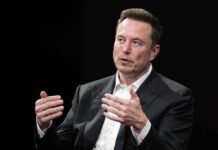

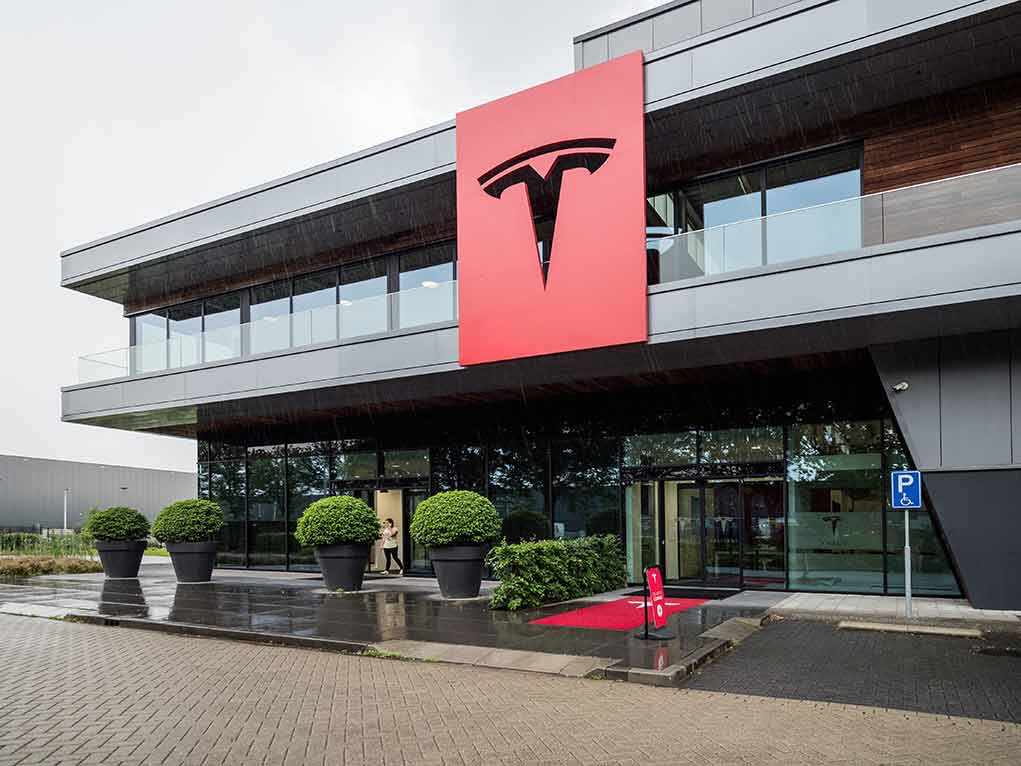
Elon Musk confirmed both Tesla and SpaceX set up independent special committees to study a merger—and then stepped out of the room.
Story Snapshot
- Boards at Tesla and SpaceX formed independent committees to review a merger idea.
- Musk called a merger “a good idea” but said it is up to the committees.
- Musk said he is a conflicted party and is not in those talks.
- No terms, timetable, or deal agreement exist; shareholder votes would be needed.
What Actually Happened And Why It Matters
Elon Musk told investors the Tesla and SpaceX boards formed special committees of independent directors to evaluate a possible merger. He said he supports the idea in concept but stressed the decision rests with those committees, not with him. He also said he is excluded from the committees because he is a conflicted party. This was the first on-the-record acknowledgment of formal discussions and a defined process, not just rumor or social buzz.
The committees have not agreed to any terms. There is no exchange ratio, vote date, valuation, or closing plan on the table. Reports say any deal would require approval by the SpaceX committee, the SpaceX board, and Musk as controlling shareholder, plus a Tesla shareholder vote. Musk called the Tesla threshold a “high hurdle,” which means broad buy-in is essential. Markets still reacted fast, which shows how even early signals can move prices before any binding step occurs.
The Strategic Logic People See
Reporters framed the pitch as putting Tesla’s vehicles, batteries, and artificial intelligence work under the same roof as SpaceX’s rockets, satellites, and advanced manufacturing. Advocates say one umbrella could speed product crossovers: hardened chips, robotics, materials, and power systems that serve cars, rockets, and energy storage alike. That promise sounds simple: share talent, share tools, ship faster. The actual math would be complex, because the firms differ in ownership, disclosure, and capital needs.
Some investors like the idea of one platform that can marshal cash where it is needed most. Others prefer clear, separate bets. A merged company could use Tesla’s public currency to fund space projects. It could also expose Tesla holders to launch risk and national security oversight. Rational governance demands plain answers: who gains control, who pays, and who takes the hit if plans slip. Committees exist to test those pressures before emotion takes over.
The Governance Gauntlet These Committees Must Run
This is a related-party scenario. Musk leads both companies and controls SpaceX voting power. That structure raises the bar for process. Independent committees, their own legal and banking advisers, and a strong shareholder vote help build trust in the price and terms. Courts have long flagged that a controlling figure can sway outcomes even without direct orders. The answer is sunlight, real leverage to say no, and a record that shows hard bargaining on behalf of minority investors.
He still has a large share and the overwhelming support of the board.
The merger of SpaceX and Tesla will give him majority share of both.
— David Mannion (@Odyssey374) November 12, 2026
Texas corporate law would frame the mechanics if a deal proceeds. The model seen in many controller transactions is clear: empower the committee from the start, let it hire its own advisers, and condition closing on a robust shareholder vote. That structure can shift review toward business judgment if done right, but it takes discipline. The committees here have not disclosed members, mandates, or advisers yet. Until they do, the public sees process headlines, not the proof of independence.
What To Watch Next
First, watch for each committee to reveal its advisers. Top-tier bankers and law firms signal a serious process. Second, look for whether the boards condition any deal on a majority-of-the-minority style vote at Tesla, which would show added care for non-insider holders. Third, wait for real numbers. A term sheet with a valuation range and an exchange ratio would replace vibes with math. Musk’s own stance matters less now than the committee records that will back any decision.
One caveat applies: Musk said no terms exist and a deal may not happen. That should cool the fever. Still, the strategic tease is powerful: combine cars, rockets, batteries, and satellites into one machine for building the future. Committees now must decide if that future is worth the price today. Shareholders will demand a deal that passes a simple test of American common sense: fair process, fair price, and respect for the people whose savings fund the vision.
Sources:
washingtontimes.com, techcrunch.com, nbcnews.com, fidelity.com, finance.yahoo.com, theverge.com
© targetliberty.org 2026. All rights reserved.