
Hamas cheered Navi Pillay’s Nobel Peace Prize, and that single applause line now defines the fight over what the award really honored.
Story Highlights
- Hamas praised the Nobel as a “message of hope,” handing critics an explosive optic.
- Pillay led a United Nations inquiry that accused Israel of genocide in Gaza.
- Israel’s government called the award a grotesque political weapon, not justice.
- The Nobel Committee said it honored Pillay for promoting peace and international law, not Hamas.
Hamas’s Praise Turned a Prize Into a Political Flashpoint
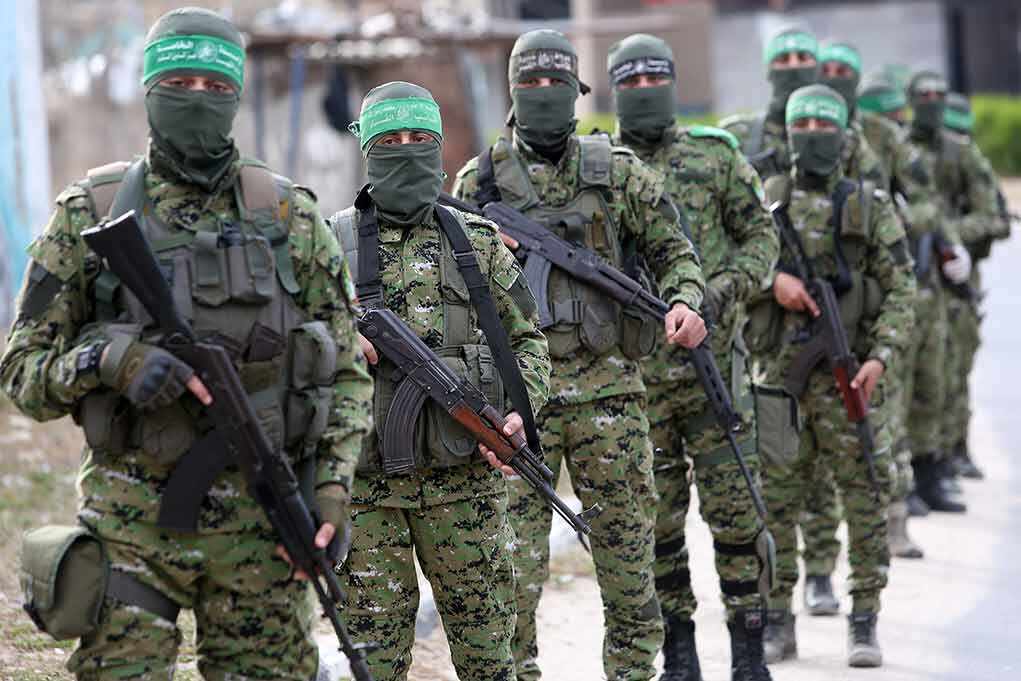
Hamas leaders publicly welcomed Navi Pillay’s Nobel Peace Prize. Senior figure Bassem Naim called it a message of hope for Palestinians in Gaza and a sign that humanity still resists forces that target international justice. That single quote set the frame for backlash. Critics now argue the Nobel gave a propaganda gift to a group the United States designates as a terrorist organization. The public record shows praise, not coordination or shared goals.
Pillay’s supporters say the award honored a long career in human rights. Pillay herself dedicated it to survivors of international crimes and those defending international justice. She linked peace to independent courts, the rule of law, and firm standards. The United Nations described the Nobel Committee’s rationale the same way: efforts to promote peace and international law. That framing rejects the idea that the prize validated any armed group’s aims or methods.
The Gaza Genocide Finding Is the Contested Core
The controversy tracks back to Pillay’s role chairing a United Nations commission. That body concluded that Israeli authorities and security forces committed four genocidal acts in Gaza. It quoted Pillay saying the commission finds Israel responsible for genocide in Gaza. Israel denied the claim and alleged bias by the commission. The finding came with institutional weight, yet it sits in a fierce dispute over evidence and law.
Reporters noted the commission’s reliance on casualty figures from Gaza’s Health Ministry, which functions under Hamas’s rule. United Nations agencies and many experts often treat those numbers as generally reliable, but Israeli officials consider them tainted. The commission also cited Israeli statements, aid limits, and damage to health care systems. That evidentiary mix helps explain why the Nobel decision ignited such sharp arguments about legitimacy and proof.
Israel Calls It Weaponization; Pillay’s Record Runs Broader
Israel’s Foreign Ministry blasted the award as grotesque weaponization that legitimized anti-Israel hatred. The timing, close to the October 7 anniversary, made the gesture feel like a rebuke to many Israelis. Prime Minister-level and diplomatic voices echoed that anger across media. These reactions underscore a core conservative concern: when elite bodies blur moral lines, authoritarians and terrorists rush to claim the win.
The Nobel Committee’s citation and allied statements point to a larger picture. Pillay served as a judge on the Rwanda tribunal. She worked to define sexual violence as an international crime. She led major human rights institutions. Backers say this body of work links law to peace and accountability to deterrence. Whether one agrees with every finding, a consistent standard that condemns both terror and unlawful state force affirms actual rule of law, not power politics.
What The Commission Said About Hamas Matters Too
Coverage of the commission also recorded findings on Hamas crimes. Reports said the panel concluded Hamas members deliberately killed, injured, mistreated, and took hostages during the October 7 attacks. That point cuts against claims that Pillay’s work targets Israel alone. The inquiry’s scope included armed groups as alleged perpetrators. Clear, equal treatment of all unlawful violence is the only path to credibility in war-crimes work.
So why did Hamas’s praise land so hard? Messaging appropriation is the answer. Movements grab symbols to shape the narrative. Hamas saw a chance to claim moral high ground without changing behavior. That does not prove alignment by Pillay or the Nobel Committee. But it does show why institutions must speak with precision. Awards should highlight neutral standards, transparent methods, and even-handed accountability, so bad actors cannot twist the signal beyond recognition.
Sources:
pbs.org, bbc.co.uk, cbc.ca, yahoo.com, apnews.com, news.un.org, nobelprize.org
© targetliberty.org 2026. All rights reserved.