
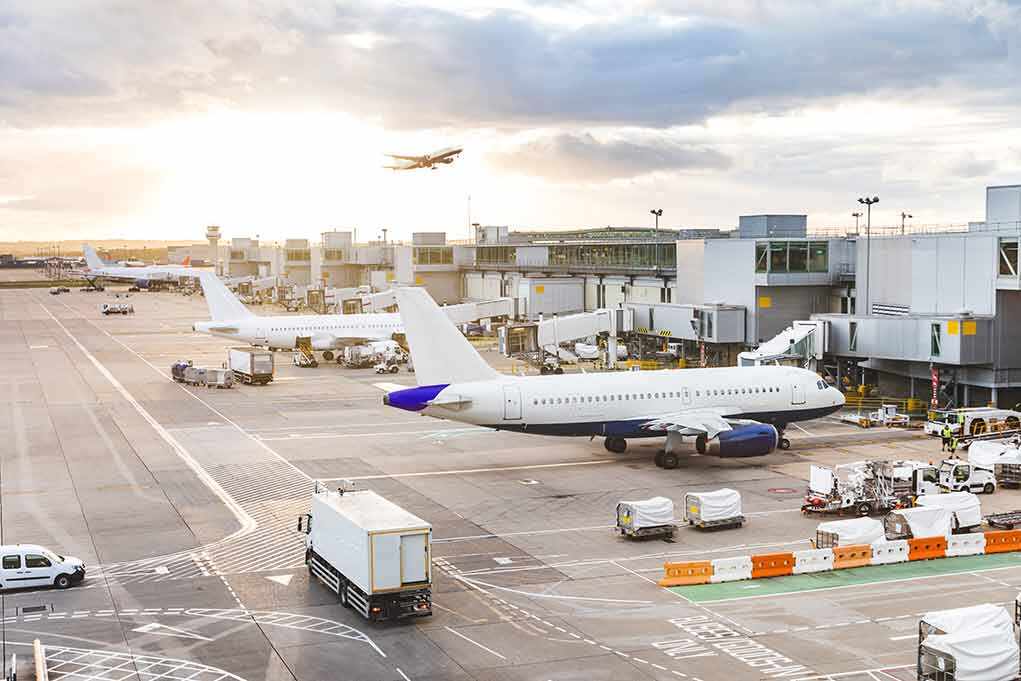
A Houthi missile tore through King Khalid International Airport in Riyadh, killing 12 people including an American citizen, and the Saudi government is calling it a war crime.
Quick Take
- A strike on Riyadh’s King Khalid International Airport killed 12 people and injured more than 300, Saudi aviation officials said.
- Secretary of State Marco Rubio confirmed one American citizen died in the attack and condemned it publicly.
- Saudi Arabia’s coalition called the strike a “fully-fledged war crime” and vowed a “decisive” response.
- President Trump said he is weighing whether to join Saudi military action against the Houthis.
- The strike was part of a long pattern of Houthi attacks on Saudi airports dating back years, not an isolated event.
What Happened At King Khalid Airport
Saudi Arabia’s General Authority of Civil Aviation reported the attack killed 12 people and wounded more than 300 others. The dead included citizens from Saudi Arabia, Bangladesh, Egypt, Jordan, Syria, Palestine, Sudan, and the United States. Saudi officials shut down airport operations while crews assessed damage, and that closure stretched another 24 hours as flights backed up across the region.
Secretary Rubio moved fast to confirm the American death and put blame squarely on the Houthis. He called the strike a “blatant disregard for innocent civilian life” and said the attacks “must stop now.” His statement stood with Saudi Arabia and offered condolences to the families of everyone killed, not just the American victim.
Saudi Arabia Calls It A War Crime
The Saudi-led coalition did not mince words. It labeled the strike on the passenger terminal a “fully-fledged war crime” and promised to “respond decisively” against the Iran-backed Houthi rebels. That kind of language signals Riyadh sees this as a turning point, not just another skirmish in a years-long border war that has dragged civilian infrastructure into the crossfire again and again.
President Trump, asked whether the United States might join Saudi strikes against the Houthis, kept his options open. “We may. We’re going to look at it,” he said. That statement alone tells you Washington is watching this closely and has not ruled out direct military involvement if the attacks keep escalating.
This Is Not The First Attack On This Airport
King Khalid International Airport has been hit before. The Associated Press reported earlier Houthi-claimed strikes on the same airport killed three Saudis, including a pilot. Human Rights Watch documented Houthi attacks on Saudi airports stretching back to 2014, some of which the group found likely amounted to war crimes.
Independent conflict researchers at the Armed Conflict Location and Event Data Project recorded 37 rocket and drone strikes targeting Saudi civilian airports in just four months back in 2019. That track record matters because it shows this latest attack fits a pattern of targeting civilian aviation, not a one-time escalation.
Why The American Death Matters
One American citizen dying in a foreign terror attack changes the political calculus in Washington every time. It gives President Trump direct justification to consider military action, and it forces the State Department to respond publicly within hours instead of days. Rubio’s quick confirmation and condemnation reflect that reality, and so does Trump’s willingness to openly discuss joining the fight.
Saudi Arabia reports injuries in new attack at Riyadh airport, day after Houthi strike kills 13https://t.co/39TOCguOqu
— The Business Times (@BusinessTimes) October 12, 2026
The Houthis have claimed responsibility for a wave of strikes on Saudi civilian infrastructure, framing their attacks as retaliation for what their spokesman called “brutal Saudi aggression.” Saudi Arabia and its American allies see it differently, and the civilian body count at an international airport makes that framing a tough sell on the world stage.
What Comes Next
Saudi Arabia’s promise of a “decisive” response and President Trump’s open consideration of joining the fight suggest this conflict is not cooling down. Yemen’s Houthi rebels have shown no sign of stopping attacks on Saudi civilian aviation targets, and each strike raises the odds of broader American military involvement in a fight that started as a regional proxy war and keeps pulling in more outside players.
Sources:
bbc.co.uk, nbcnews.com, dw.com, cbsnews.com, x.com
© targetliberty.org 2026. All rights reserved.