
After 505 days in Hamas captivity, Eliya Cohen stood at the United Nations and said two words that cut through the noise: “I won.”
Story Snapshot
- Eliya Cohen told a United Nations audience he “won” after surviving 505 days in captivity.
- He spoke alongside his wife, Nova festival survivor Ziv Abud, at an event marking three years since Oct. 7.
- Reports list Cohen among six hostages Hamas released during a later exchange.
- His defiance shows how hostages can flip the script in the struggle for public meaning.
A Survivor Uses Two Words To End A Terror Narrative
Eliya Cohen told about 400 people at a United Nations event, hosted by Israel’s mission, that he “won.” He was not vague. He survived, came home, and chose to speak under his own name. That claim lands hard because Hamas has long used hostages as leverage and symbols. A living man saying “I won” steals that symbol back. The message was short, memorable, and impossible to spin without sounding cruel or absurd to normal ears.
His appearance did not happen in a vacuum. Cohen stood beside his new wife, Ziv Abud, who fled the Nova music festival massacre and lived to tell it. The audience also included United States officials and diplomats who wanted the world to hear from victims, not just spokesmen. That setting matters. It gave a survivor a microphone in the same house where states trade words as weapons. That was the right place to make a moral point in plain speech.
What 505 Days Means In A War Of Minds
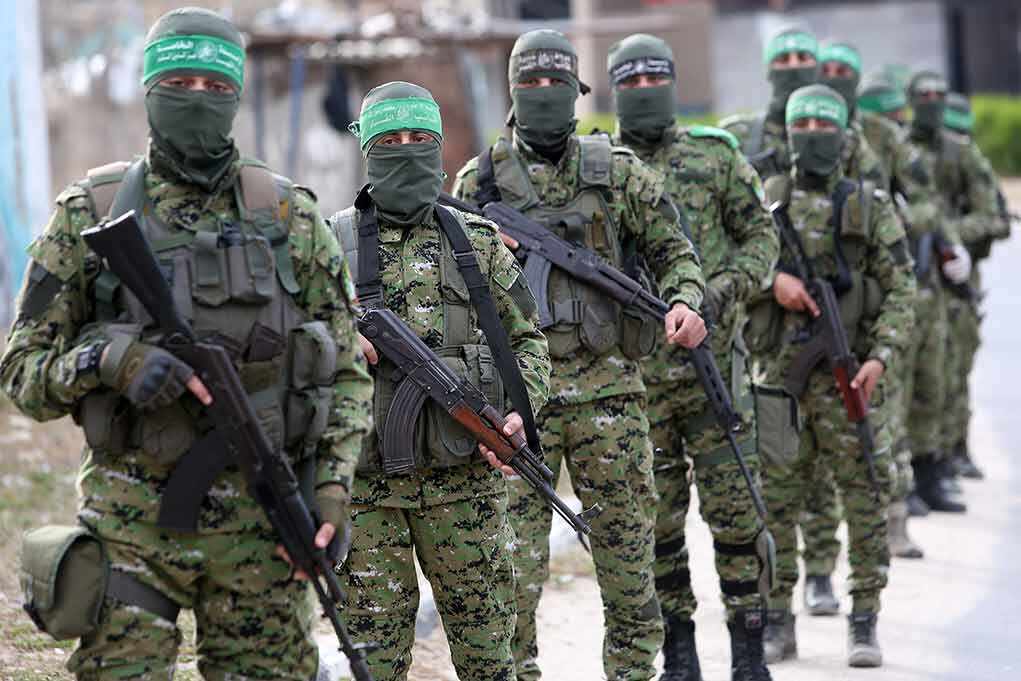
Hamas treats hostages as bargaining chips, shields, and megaphones. Analysts call this “cognitive warfare,” because the goal is not only to trade prisoners but to bend feelings and split allies. Kidnapping terrorizes families, pressures leaders, and invites the media into a trap of emotion and stagecraft. Survivors who speak clearly can undo some of that pressure. They remind people that a human being is not a prop. They also warn publics how the game works and why it must fail.
Cohen’s release came as part of a wider rhythm of swaps and gestures. Reports at the time listed him among six living hostages freed while other bodies were returned. Every such exchange carried high drama and high stakes. Each side tried to claim the moral high ground in front of cameras. That is why survivor words travel far. They cannot be faked by press secretaries. They bring detail, dignity, and the basic truth that civilians are not tools for politics or war.
Why The Message Resonates With American Common Sense
Most Americans do not parse Middle East factions all day. They do know the difference between a soldier on a battlefield and a kidnapper who hides behind civilians. That line is bright. The use of hostages offends basic fairness and every faith’s code of care for the weak. When a survivor declares a win, it tracks with a core belief: evil does not get the last word. That belief is not theory. It is why communities rally, why veterans salute courage, and why families hang gold stars.
Freed Hostage Has Fiery Message for Former Hamas Captors After Enduring Unfathomable Evil: 'I Won' https://t.co/ZJpNrSSKgS
— Ric Reed (@RicVaDude) October 8, 2026
Critics sometimes claim survivor testimony is “political.” That misses the point. Testimony is evidence. It shows what armed groups did, how they did it, and why it must stop. Human rights investigators, journalists, and scholars have documented hostage-taking as a planned tactic of coercion and message control. Cohen’s words fit that record like a key in a lock. He named the thing and broke its spell, if only for a moment the whole room could feel and remember.
From A Microphone To Momentum
What happens next matters more than a headline. Survivors need steady support and room to heal. Governments need to keep pressure on hostage-takers and cut the channels that reward the crime. Media should center named victims over staged propaganda and avoid the circus that kidnappers crave. Faith groups, unions, and civic clubs can host survivors and teach the next generation why lines in war exist. That is how two words become a cultural reflex instead of a one-day cheer.
The lasting power of “I won” is not bravado. It is witness. A free man looked at a world tempted to move on and drew a line. He said that a person is more than a pawn. He said that survival and truth beat cruelty and lies. If that message sticks, more families will have their say, and fewer militants will see kidnapping as a smart bet. That alone would be a victory worth repeating, in every hall where words can still save lives.
Sources:
redstate.com, israeltoday.co.il, jns.org, portal.usanativ.com, worldisraelnews.com
© targetliberty.org 2026. All rights reserved.