
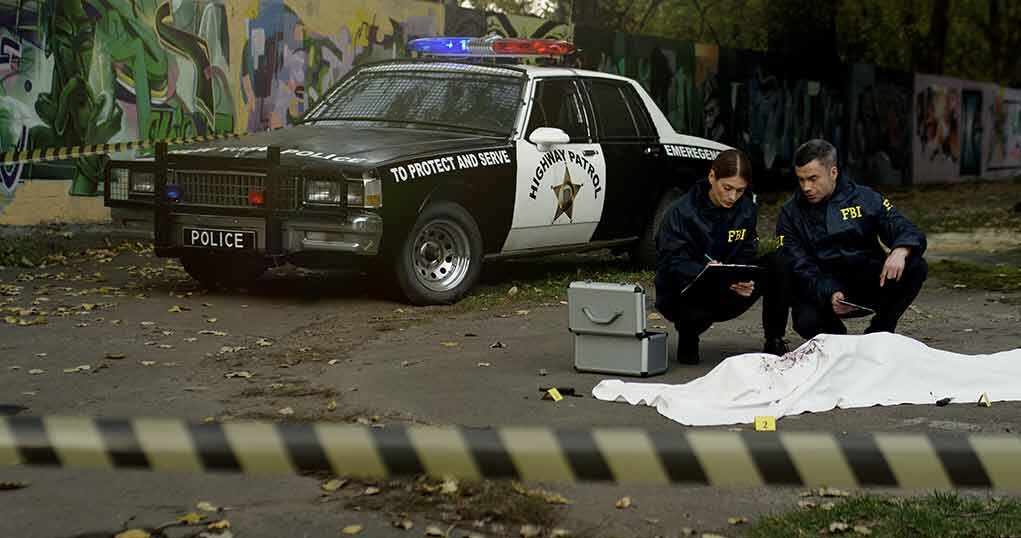
An off-duty Federal Bureau of Investigation (FBI) agent stopped a shooting in Chicago by confronting a gunman and fatally shooting him, according to federal and local reports.
Story Snapshot
- The FBI says the agent saw a man firing into a group and intervened.
- The shooting happened around 5:30 p.m. in Pilsen near 18th and Union.
- The Cook County Medical Examiner identified the man as Oscar D. Isaya-Corrales, 27.
- Officials reported no injuries to the agent or others at the scene.
What Happened On The Street In Pilsen
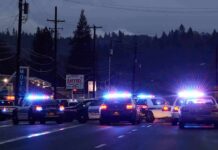
The FBI said the off-duty agent was driving a Bureau vehicle when he saw Oscar D. Isaya-Corrales firing a gun into a group near West 18th Street and South Union Avenue on October 26, 2026, around 5:30 p.m. The agent saw at least two shots and engaged to stop the ongoing threat, according to the agency’s statement. Police recovered a handgun near a bicycle at the scene, and authorities reported no other injuries.
The Cook County Medical Examiner identified the deceased as 27-year-old Isaya-Corrales and ruled the death a homicide caused by multiple gunshot wounds. Chicago news outlets reported the agent was not hurt. Officials said no additional injuries were reported among bystanders during the incident. The FBI described the target group as “innocent people,” and other reports identified the location as a homeless encampment near the Canalport area in Pilsen.
How Officials Are Handling The Case
The FBI said its Inspection Division is reviewing the agent-involved shooting, as is standard practice after deadly force incidents. Chicago Police Department personnel secured the scene and documented evidence, including the recovered handgun. Alderman Byron Sigcho-Lopez called for an independent review with state-level involvement to give the public a clear account of what happened and why force was used. Federal policy sets a high bar for deadly force, requiring an imminent threat and objective reasonableness under the circumstances.
That policy standard matters because timing, distance, and the direction of gunfire often decide whether force is justified. The FBI’s account places the shots at the encampment before the agent intervened, which fits the “imminent threat” test described in the Department of Justice guidance. The reported details also align with a common pattern in police use-of-force events, where investigators later map shots, wounds, and evidence to test the reasonableness of each decision in seconds that felt like an hour to those on scene.
What We Know About The Evidence So Far
Officials reported that a handgun was found at the scene near a bicycle, and the medical examiner documented multiple gunshot wounds to Isaya-Corrales. The location and timing across outlets match: early evening, October 26, near 18th and Union, with no injuries beyond the deceased, and the agent unhurt. These facts support the core claim that the agent interrupted an active threat to a group in public space, as the FBI stated. A formal investigative report will detail the rest once completed.
The Party for Socialism and Liberation’s Chicago chapter plans to protest this Friday following the fatal shooting of a Venezuelan man by an FBI agent.
The group alleges that the man was unarmed and killed in cold blood. However, police reports state that he was shooting at a… pic.twitter.com/s4LEQQGirv
— Goofies Of Chicago (@Chicago_Goofies) October 28, 2026
Law and order depend on someone stepping in when people are under fire. The FBI agent’s reported actions track the duty to protect life, even off the clock. That is not only policy but common sense: when a gunman fires into a crowd, you stop him fast. Chicago’s review process can move forward, but the core story as told by federal and local authorities is clear—swift action likely prevented more bloodshed in Pilsen that night.
Sources:
thegatewaypundit.com, cbsnews.com, chicago.suntimes.com, fox32chicago.com, abc7chicago.com, patch.com
© targetliberty.org 2026. All rights reserved.