
An American was among the dead after a claimed Houthi strike turned Saudi Arabia’s busiest airport into a mass-casualty scene that halted flights and shook regional nerves.
At a Glance
- Houthis claimed a ballistic-missile hit on Riyadh’s King Khalid International Airport.
- Saudi aviation officials confirmed two attacks at the airport and multiple casualties.
- Airport operations were disrupted, then later resumed after safety checks.
- Coalition officials reported intercepts and a launch platform destroyed in Yemen.
What happened at Riyadh’s main airport
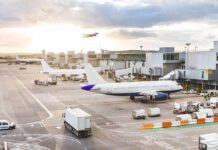
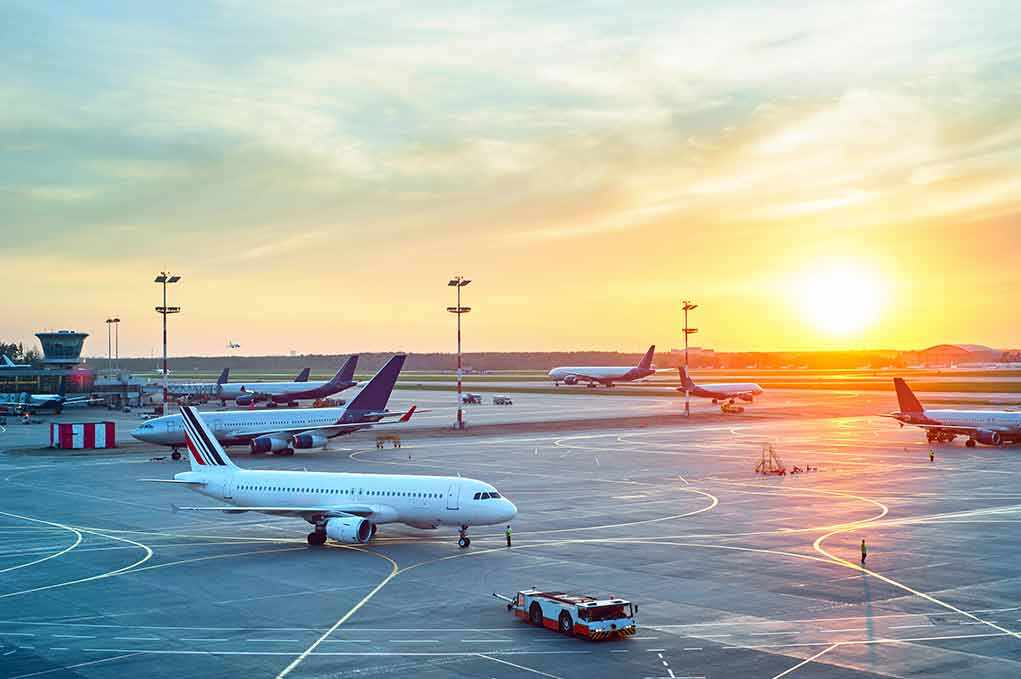
Explosions and smoke ripped across King Khalid International Airport in Riyadh as flights diverted, gates emptied, and rescue crews rushed in. Saudi aviation officials reported two separate attacks: one on airport facilities, and another on a Saudia aircraft on the ramp. The Houthis’ military spokesman, Yahya Saree, said their forces launched a ballistic missile that hit its target at midday. Video and photos showed smoke near Terminal 4 and damage consistent with a violent blast.
Saudi officials confirmed deaths and dozens of injuries across the incidents. Reports across the news cycle described three dead and many more wounded at Riyadh, while other tallies combined casualties from Abha and Riyadh, pushing totals higher. The picture that emerges is grim but uneven: a crowded civilian hub was struck, people died, hundreds sought care, and operations halted before the airport restarted limited service after checks.
How each side explained the strike
Houthi officials framed the attack as part of a plan to hit Saudi aviation and force airlines to avoid the kingdom. They claimed responsibility for strikes on Riyadh and Abha, warning that more missiles and drones could follow if flights continued. Saudi civil aviation authorities, in initial statements, did not name the attackers while documenting the two impacts and the casualties. The Saudi-led coalition later said it intercepted ballistic missiles fired toward Riyadh and destroyed a launch platform in Yemen.
These claims fit a hard pattern in this war. The Houthis announce deep strikes to project reach. Saudi officials highlight intercepts and name the group as responsible for civilian harm. Independent outlets captured only fragments in real time: smoke, evacuations, and broken schedules. The gap is technical proof. No public debris catalogue or radar track has settled whether a direct hit or falling fragments caused specific damage to the plane and facilities.
What is known, disputed, and missing
Known: a deadly attack hit King Khalid International Airport; flights were disrupted; people died and many were hurt; a Saudia aircraft took damage on the ground. Disputed: whether a ballistic missile struck the jet itself, whether intercept debris caused part of the harm, and the exact split of casualties between Riyadh and Abha. Missing: authenticated weapon fragments, verified launch footage, and a public forensics report that ties a specific missile to a specific impact point.
🚨UPDATE🚨— 🔴HIGH — Riyadh airport strike kills at least 12; hundreds reportedly wounded
🗓️When/where: October 10, 2026 — King Khalid International Airport, Riyadh, Saudi Arabia🇸🇦.
❓What materially changed: Multiple major outlets now report at least 12 deaths, upgrading the…
— Cʟᴀᴠʀ Fᴀʟʟs Iɴsᴛɪᴛᴜᴛɪᴏɴ ғᴏʀ Hɪsᴛᴏʀɪᴄᴀʟ Lɪᴛᴇʀᴀᴄʏ (@ClavrFalls) October 10, 2026
Common sense says civilian airports are not battlefields. American conservative values weigh civilian safety, self-defense, and accountability. On the strength of current facts, calling this an attack on civilians is fair, and the public record supports that charge. Pinpointing the exact weapon-to-damage chain needs evidence the public has not seen. That should not slow consequences for those who target travelers. It should, however, press all sides to release proof that closes the loop.
Why this strike matters beyond one airport
Riyadh’s airport is a lifeline for business, pilgrims, and families. Hitting it aims at the kingdom’s nerves and wallet at the same time. The strikes also test air defenses and crisis playbooks. Flight delays grew fast, and airlines weighed detours and cancellations. That is the strategy behind targeting runways and terminals: scare carriers, spook insurers, and chill investment. If more shots follow, expect tighter airspace rules and more costly diversions across the region.
Washington will watch for two things now. First, whether intercept rates stay high when salvos come in clusters. Second, whether partners share the forensic record to prove chains of custody and intercept debris trails. Clear proof helps sustain coalitions and keeps blame precise. Without it, fog and rumor creep in. The victims deserve clarity that matches the urgency of the response. The evidence exists somewhere. It should not stay locked behind blast doors.
Sources:
townhall.com, apnews.com, cnn.com, euronews.com, abcnews.com, agbi.com, us.cnn.com
© targetliberty.org 2026. All rights reserved.