Canada locked away records tied to a “Made in USA” F-35 photo—and that single act exposed the oldest fight in Ottawa: security versus sunlight.
Story Snapshot
- Canada cited national defence rules to refuse F-35 record releases
- Critics say the government hid real costs and key facts from Parliament
- A United States Pentagon official blasted Canada’s delays and opacity
- Ottawa still advanced payments while its review dragged on
Why Canada Says “No” On F-35 Records
National Defence leaned on Canada’s Access to Information Act to hold back F-35 documents. Section 15 lets agencies refuse records if release could harm defence or international relations. Ottawa trains officials to use that rule when allies’ capabilities or plans could be exposed. This is not rare or new. Defence has applied this defence-and-foreign-affairs shield in many files over many years, making it a routine part of how military records move—or do not move—through the system.
Officials frame the F-35 buy as a controlled, government-to-government project with fixed phases, support, weapons, and base work. They argue that public dumps of planning notes, prices by line item, and allied inputs would hand adversaries insights and distort negotiation leverage. The law gives them that discretion. The policy manuals back it up. And most Canadians accept that some secrets are proper when they keep pilots alive and alliances tight.
Where The Backlash Comes From
Opposition figures and analysts say the shield became a wall. They argue past governments downplayed costs and kept Parliament in the dark on major numbers and risks tied to the F-35 program. A long-running academic review describes the Canadian path as non-competitive at the start and later burdened by rising costs and politics that fed public distrust. That history primes critics to treat new refusals as a pattern, not a one-off paperwork call.
The pushback crossed borders. A United States Pentagon official said Canada’s delays and lack of transparency on the ongoing F-35 review put politics ahead of shared defence needs. That stung because the aircraft, training, and data links tie North American air defence together. When the buyer drags, squadron schedules slip, spare chains tangle, and joint planning pays the price. Allies can only plan to the slowest dependable timeline.
The Photo That Lit The Fuse
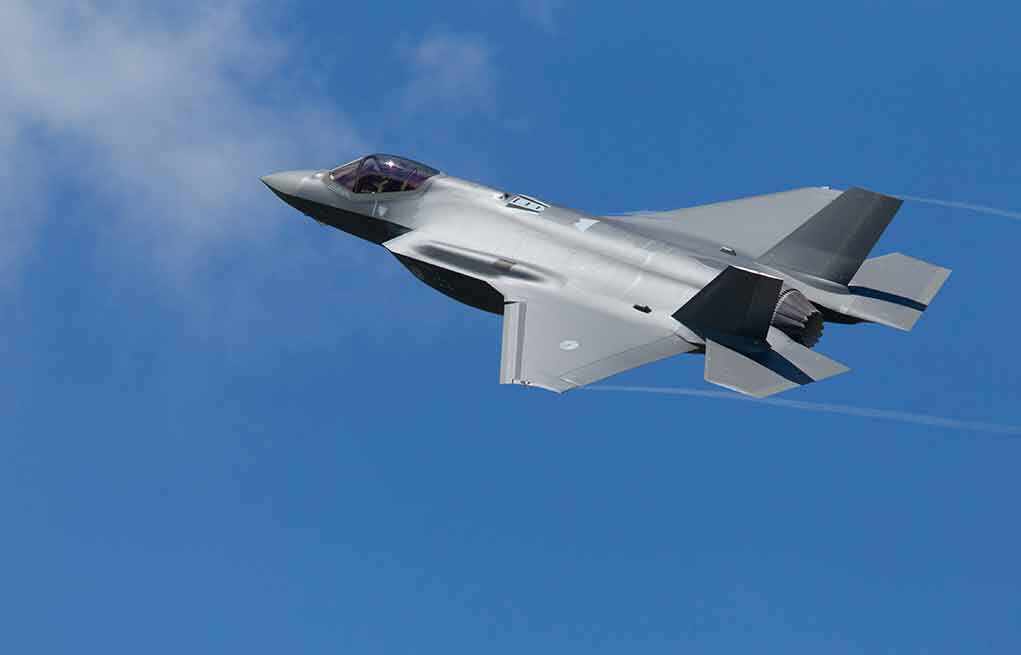
The “Made in USA” F-35 image became a symbol fight. Requesters asked for the paper trail. Ottawa refused, citing defence harms. On substance, the government can be right about risk. Even a simple photo can reveal tail numbers, block upgrades, sensor fits, or basing patterns. Those puzzle pieces matter to adversaries. Yet the stonewall also fits the old Ottawa habit: when politics heat up, the file cools behind section 15, and the public sees a closed door, not a reasoned filter.
Common sense says there is a tighter middle lane. Keep secrets that shield tactics, tech, and allied trust. Release enough that taxpayers know the scope, schedule bands, and lifetime cost ranges. The Auditor General has already urged clearer, fuller cost reporting on the F-35 introduction to service. That is not a demand to publish classified specs; it is a call to give citizens the big math in daylight so the debate stays honest and supportable.
The Cost Clock Does Not Stop
While reviews rolled on, Ottawa still made payments for key components for more jets. That move showed the machine keeps moving even when ministers say they are “still reviewing.” It also raised a sharper question: if money flows, why not share the plan and the updated price bands? Canadians know fighters are expensive and complex. They balk when numbers shift in the dark or decisions seem half-hidden behind process talk.
American conservative instincts line up with two truths here. First, a nation must protect warfighting secrets and allied bonds; you do not brief enemies through freedom-of-information dumps. Second, leaders owe taxpayers straight talk on budgets and timelines. Shield the tactics, not the totals. Publish what you can, once, clearly, and on schedule. Candour builds the political capital you need when the next classified choice must stay behind the curtain.
The Way Out Of The Secrecy Spiral
Parliament can set a firmer floor. Mandate plain-language cost dashboards that show acquisition, sustainment, and infrastructure as ranges, updated on a schedule, with red-yellow-green risk flags. Let a small, cleared committee cell see the classified annex so oversight is real, not a press release theater. Tie section 15 refusals to narrow, time-limited justifications, logged for later review. That mix protects the mission and respects the public purse.
Canada can still land this well. Lock the secrets that keep pilots safe. Share the numbers that keep trust alive. Do that, and a single “Made in USA” photo will fade back into what it should be—a picture of an allied jet Canada needs, not a billboard for a broken way of talking to the people who paid for it.
Sources:
search.open.canada.ca, international.canada.ca, canada.ca, rcmp.ca, laws.justice.gc.ca
© targetliberty.org 2026. All rights reserved.