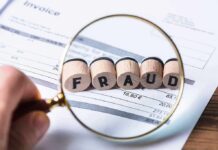


Federal agents say a seven-week surge exposed nearly $42 million in food-aid fraud, and the details show how thieves treat hunger as a business model.
Story Snapshot
- Justice Department and Agriculture teams ran a nationwide surge starting Sept. 1, 2026.
- Officials tied nearly $42 million in fraud to Supplemental Nutrition Assistance Program (SNAP) cases.
- More than 40 defendants faced actions over alleged and proven schemes.
- Losses include both organized trafficking and electronic theft from recipients.
What the federal surge found and why it matters
The Justice Department’s National Fraud Enforcement Division, the Department of Agriculture, and the Agriculture Department’s Office of Inspector General led the push. The operation began Sept. 1, 2026, and spanned seven weeks. Officials reported actions against more than 40 defendants and nearly $45 million in intended losses across agriculture programs. Nearly $42 million involved the Supplemental Nutrition Assistance Program, which helps low-income families buy food. The Middle District of Florida confirmed its role in the joint effort.
Officials described a mix of fraud types. Some cases involved store owners who allegedly swapped cash for benefits. Other cases centered on stolen benefits from electronic cards. Several cases used straw buyers, fake identities, or sham transactions. Authorities stressed that the fraud pool combined alleged and proven schemes, and the figures reflect intended losses. Prosecutors will now move cases through indictments, pleas, trials, and sentencing, where actual loss and restitution get set by courts.
How losses are counted and where the money goes
Intended loss is a standard law-enforcement measure. It tracks the amount a scheme aimed to take, not what a court has confirmed later. That number guides charging and helps show scale across targets. In SNAP cases, that scale can hide two groups of victims. Taxpayers fund the benefit program, and qualified recipients lose food dollars when thieves drain electronic accounts. Both harms matter, and both should guide how agencies set fixes and penalties.
Electronic theft now drives many complaints. Thieves skim card data at payment terminals, then clone cards and drain accounts. The Government Accountability Office has documented how skimming, shimming, and other tricks steal from recipients, who often learn of the loss only at checkout. The Food and Nutrition Service has explained these methods in plain terms and has urged steps to curb them, like better card tech and faster alerts to cardholders.
The fraud playbook: trafficking and skimming feed each other
Retailer trafficking remains a stubborn problem. A crooked store can process fake purchases, split the value with a customer, or run large batches to launder stolen benefits into cash. Skimming supplies those stolen benefits. A single crew can harvest card data in one city, send it to partners, and cash out through corrupt retailers in another. Federal teams, including Agriculture Department investigators, have devoted large shares of their resources to these cases in recent years.
The combined approach in this surge reflects that reality. Prosecutors targeted both ends of the pipeline. Retailers who cash out benefits face charges, seizures, and permanent bans. Skimmer crews face identity theft and access-device charges. Those cases can also sweep in money-laundering counts. Officials argued this approach sends a blunt message to criminals who see food aid as easy money. One district office’s public notice underscored the coordinated nature of the sweeps and the shared databases behind them.
What to fix next: simple protections beat slogans
Technology upgrades stand out as the fastest win. Many states still rely on magnetic stripe cards that are easy to copy. Security experts and oversight bodies have urged a move to chip cards and stronger payment checks. States and the federal government are weighing those steps, which would make skimming harder and reduce replacement costs that taxpayers currently shoulder. The Government Accountability Office called for a broader, data-driven plan to prevent benefit theft across systems.
U.S. Attorney’s Office Joins DOJ Fraud Division and USDA in Uncovering Nearly $42 Million in SNAP Benefit Fraud in Nationwide Enforcement Surge
PRESS RELEASE 🔗:https://t.co/NN6mmVF4JA
— US Attorney WDMI (@USAO_WDMI) October 21, 2026
Policy clarity also matters. Replace stolen benefits quickly for victims, but pair that with pressure on retailers to secure their terminals and train staff. Raise penalties for repeat offenders who treat fraud as a line item. Conservative common sense says protect the truly needy, punish the crooks, and stop paying twice for the same loaf of bread. This surge showed the federal government can move fast. The follow-through—better cards, tighter retailers, and firm sentences—will decide if $42 million is the ceiling or the floor.
Sources:
youtube.com, justice.gov, pjmedia.com, justthenews.com
© targetliberty.org 2026. All rights reserved.