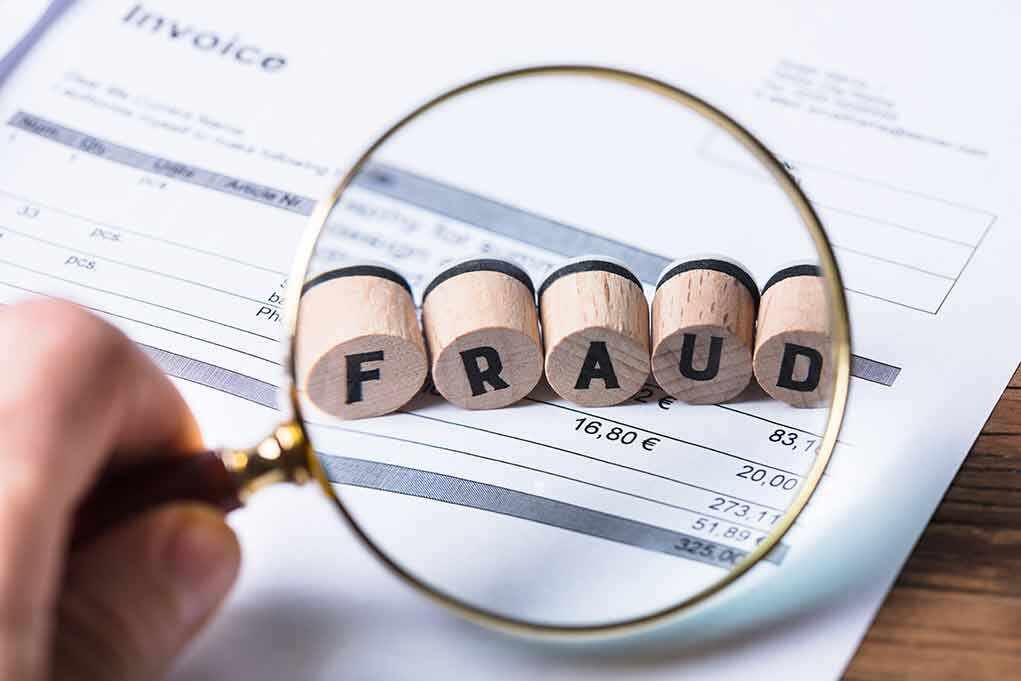
A 24-count Ohio indictment says about $20 million in student aid was siphoned from a community college program that then collapsed.
Story Snapshot
- Ohio’s auditor announced racketeering and theft charges tied to Eastern Gateway Community College’s aid program
- Prosecutors say Pell Grants and state subsidies were diverted through sham reimbursements and illegal incentives
- The alleged scheme involved the college’s former president and contractors linked to a “Free College” offer
- Defense calls the case political and says agencies had earlier approved the model and dropped a prior action
What prosecutors say happened and why it matters
Ohio’s Auditor of State said a Jefferson County grand jury returned 24 counts against three people tied to Eastern Gateway Community College. The indictment alleges a coordinated plan to divert about $20 million in Pell Grants, other federal aid, and state subsidies through fraudulent reimbursements and illegal incentive payments. The charging list includes corrupt activity, aggravated theft, bribery, tampering with records, and money laundering. The case taps a sore nerve: public aid meant for working families and first-generation students.
Investigators identify named roles and entities, not just vague mismanagement. The indictment targets Student Resource Center operators Michael Perik and Nicole Rowe Colclasure, and former Eastern Gateway president and chief financial officer Michael Geoghegan. Prosecutors say the setup used a “Free College” pitch to unions while routing funds in ways that broke program rules. That clarity of alleged conduct is why this case commands attention. It sketches who decided, who signed, and who benefited, count by count.
The money trail and the school’s collapse
State investigators say audits questioned more than $17 million in aid across the programs reviewed, and federal reviewers later identified over $44 million in liabilities Eastern Gateway would need to repay. The auditor linked the alleged diversion to the school’s shutdown, which removed a key low-cost option in the region. Local outlets report the college closed in 2024, leaving students with frozen transcripts, unpaid balances, and lost time they will never get back. That is the real human cost when compliance fails.
Numbers this large invite confusion. The $20 million alleged criminal loss, $17 million in questioned costs, and $44 million in liabilities do not match cleanly. Prosecutors have not released a reconciliation that shows which categories overlap or track to each count. Conservative instincts say start with first principles: follow the money, match each drawdown to a rule, and verify the student files. Congress and taxpayers should demand that ledger, not headlines. Still, the presence of specific charges and roles signals substantial evidence collection.
The defense, the politics, and common-sense tests
Perik’s attorney says there was no crime or secrecy. He says agencies and courts reviewed the model for years, that agency lawyers signed off, and that the United States Department of Justice agreed to dismiss a federal action in 2024, citing resource priorities. He frames the Ohio case as political payback. That argument will resonate with voters tired of selective enforcement. But approval claims need documents, and politics is not a legal defense to a well-pleaded fraud case.
NEW: Helena Foulkes calls for Liz Perik, Chair of the RI Democratic Committee to resign after husband Michael Perik was indicted on a 24-count racketeering and fraud case involving theft of $20 million from the now-defunct Eastern Gateway Community College.
— RINewsToday (@RINewsToday) October 20, 2026
Due process matters. An indictment is not a conviction, and these defendants deserve a fair trial. Yet, the standard conservative lens asks three simple questions. Did public money fund ineligible balances or ineligible students? Did any party receive illegal incentives or kickbacks? Did records get altered to keep the funds flowing? If the state proves yes on those points, a jury will not need a partisan scorecard to decide guilt. If not, the case should fall. Fair, firm, and fast is the right path.
What comes next and what taxpayers should watch
The trial should surface the full paper trail: bank records, contracts, ledgers, and student eligibility files. The United States Department of Education’s review reportedly found improper use of Pell Grants and other aid for eligible and ineligible students, which triggered the large repayment figure. The clean outcome now is sunlight. Publish the full 24-count indictment exhibits. Reconcile every dollar across criminal loss, questioned costs, and federal liabilities. Protect students first, then claw back what can be recovered for taxpayers.
Sources:
thegatewaypundit.com, ohioauditor.gov, wysu.org, dispatch.com
© targetliberty.org 2026. All rights reserved.