

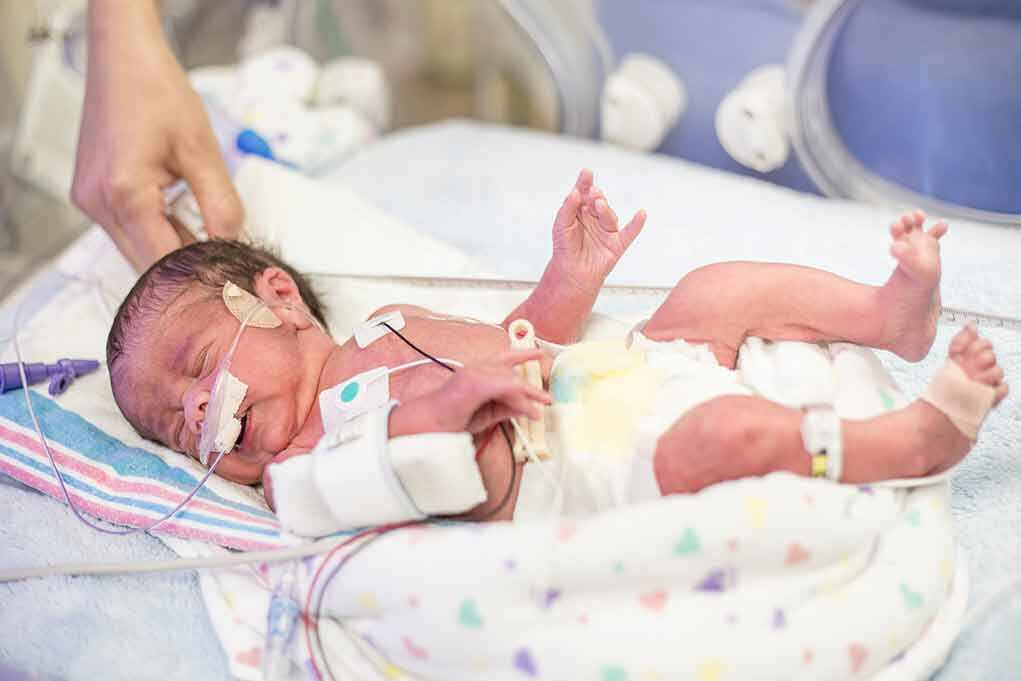
The hospital’s own logs, doctors, and prosecutors point to one nurse and one night when a fragile newborn’s body was left covered in bruises and broken bones.
Story Snapshot
- Prosecutors charged a Michigan neonatal nurse with four counts of child abuse.
- Hospital logs show the nurse entered the infant’s room 27 of 32 times that night, records say.
- The baby had multiple fractures and widespread bruising, including on the tongue.
- The hospital fired the nurse amid the investigation, according to reports.
Charges built on hospital records and medical findings
Prosecutors in Michigan charged Kieran Ansley with two felonies for second-degree child abuse and two misdemeanors for fourth-degree child abuse. The case centers on a premature infant at Helen DeVos Children’s Hospital who was found with multiple fractures and bruising. Reporting based on court records says doctors ruled out other medical causes and diagnosed pediatric physical abuse. The hospital terminated Ansley after the allegations surfaced, signaling the institution saw grounds for immediate action.
Investigators leaned on the hospital’s own access data to map the night in question. A staff log listed 32 entries into the infant’s room. Court records say Ansley accounted for 27 of them during the window tied to the injuries. That pattern does not prove what happened inside the room, but it narrows opportunity to one caregiver more than others. Prosecutors used those records to support the charges filed against Ansley.
The moment the parents saw the bruises
The mother arrived for an April visit and reportedly saw bruising that had not been there before. Court documents describe Ansley “jogging” to meet the parents before they reached the room and saying the infant had slept through the night. The parents then observed the injuries. The specific images and medical charts are not public, but the reporting cites the diagnosis of pediatric physical abuse and the scope of visible bruising across the child’s body.
Journalists who reviewed the records describe bruising on the tongue, hands, arms, thigh, buttocks, abdomen, and legs. They also report multiple fractures. Those findings raise red flags for child-abuse specialists, who look for patterns that do not match normal handling or medical care. The descriptions in the reports are stark enough that hospital leadership moved fast on employment action and cooperated with police, according to local coverage.
What the timeline suggests and what it does not
The room-entry count puts Ansley with the infant more often than anyone else that night. That matters because premature infants cannot roll or climb, and they depend on staff for every need. The charges reflect that logic: access plus injuries equals suspicion directed at the person with the most access. Defense teams in cases like this often focus on timing, medical fragility, and alternative causes, but prosecutors say doctors already ruled out other explanations here.
🚨BREAKING: Kieran Ansley (43), A former NICU nurse at Helen DeVos Children’s Hospital in Michigan has been charged with child abuse after a premature baby girl was found with multiple broken bones, bruises and a tongue that had turned blue and black.
This baby was born at just… pic.twitter.com/sxXyLSlhA9
— Bethany O’Leary 🇺🇸 🦅 (@BethanyForTruth) September 25, 2026
Abuse cases in neonatal units are rare, but they hit hard when they occur. Hospitals keep detailed logs, and that data can be powerful in court. Similar cases in other states show how imaging, nurse assignments, and badge swipes can build a picture of what likely happened. When doctors diagnose physical abuse, they weigh fracture types, bruise patterns, and the child’s stage of development. That is why the diagnosis carries weight in front of a judge or jury.
Public safety, due process, and the trust gap
The public wants two things at once: swift protection for children and fair treatment for the accused. Prosecutors serve safety by filing charges when the record supports it. Judges and juries deliver justice by testing that record in court. Conservative common sense holds both lines: protect the vulnerable, and prove the case with facts. Here, the facts reported so far include a medical abuse diagnosis, a tight access timeline, and a firing by the hospital.
The case will move through hearings where each side can question the logs, the scans, and the bedside notes. That process matters, but so does the message right now to every children’s hospital: guardrails must be tight. Keep multiple sets of eyes on night shifts. Audit access patterns in live time, not after harm. Parents trust that a neonatal bed is the safest place on earth. That trust is earned shift by shift, chart by chart, and door by door.
Sources:
yahoo.com, mlive.com, ibtimes.co.uk, newsbreak.com, dailymail.com, us.headtopics.com
© targetliberty.org 2026. All rights reserved.