

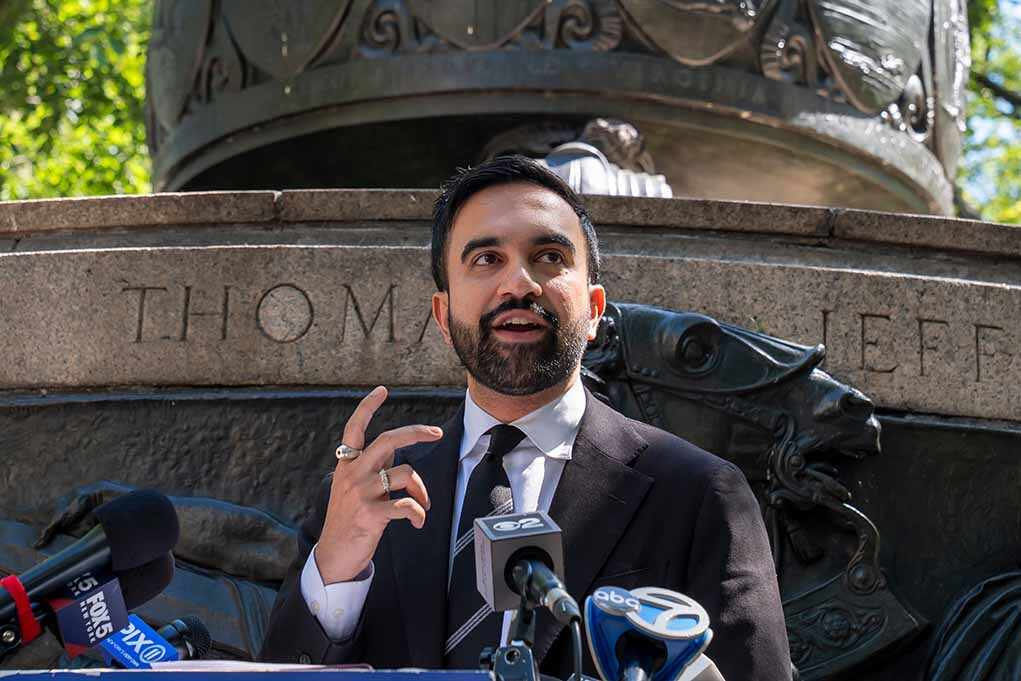
New York City moved to end a 160-year carriage era after a tourist’s death made “one more ride” feel like one too many.
Story Snapshot
- Mayor Zohran Mamdani and Council Speaker Julie Menin reached a deal to phase out horse-drawn carriages by 2028.
- The plan follows a fatal runaway incident in Central Park involving 18-year-old Romanch Mahajan.
- A Manhattan Borough President report cites 96 serious incidents and 40 horse deaths, though records are fragmented.
- The bill promises worker transition aid and horse retirement safeguards, but unions call protections thin.
The Deal That Finally Broke a Century-Old Stalemate
Mayor Zohran Mamdani and City Council Speaker Julie Menin agreed to phase out New York City’s horse-drawn carriages by 2028, shifting a long fight into the endgame. The proposal sets a deadline and orders agencies to design a transition for workers and horses. The plan includes job referrals, training, and counseling. It also bars selling horses to slaughter and directs retirement or sanctuary placement. Supporters frame the move as a clear safety fix in a busier, faster city.
The push gained force after 18-year-old tourist Romanch Mahajan died in a Central Park ride when a horse bolted as the driver stepped away to take a photo, according to NBC New York’s reporting. That detail matters. A single lapse can turn a quaint scene into a fatal event in seconds. Council Speaker Julie Menin called carriages a growing public-safety liability. The message landed because it paired a vivid tragedy with a simple premise: a park should not host preventable deaths.
The Incident Record That Shaped the Safety Argument
The Manhattan Borough President’s Office tallied 96 serious carriage incidents with human injuries and 40 horse deaths over years of records, as assembled from many sources. The report itself admits the data are hard to compile because no unified public database exists. That weakens precision, not concern. Policymakers often act when patterns emerge, even with imperfect ledgers. The count, combined with high-profile cases, gave legislators cover to choose risk elimination over tighter rules.
Newsweek reported the collapse and death of a 16-year-old horse named Deniz in Central Park, with a Cornell University necropsy citing Japanese yew poisoning, a known highly toxic plant. That finding raises practical questions more than outrage. Who controls plant access along routes and near stables? How fast can a horse ingest a lethal dose? Even if blame is murky, leaders tend to remove exposures that stack risk on public streets and crowded parks.
Tradition, Livelihoods, and the Limits of “Regulate, Don’t Ban”
Opponents describe carriages as a cherished New York tradition that supports hundreds of jobs and small businesses. Drivers and labor groups argue the industry is legal, heavily regulated, and safe when rules are followed. A carriage owner warned the ban could wreck medallion values and leave families unable to pay mortgages and bills. The Transport Workers Union criticized the deal for thin financial protections and urged stronger safety rules instead of a ban. These concerns reflect common-sense fairness: when government changes the rules, it should not crush working people in the process.
New York City is moving to ban horse-drawn carriage rides in Central Park by June 2028 after a fatal accident renewed safety concerns. https://t.co/ygdw91ve0d
— WKYC 3News (@wkyc) October 14, 2026
The bill’s backers point to a clear safety rationale and a defined timeline. Yet the transition plan still reads more like direction than dollars. Reports describe job referrals, training, counseling, and possible assistance, but not set payouts, medallion appraisals, or guaranteed placements. Conservative readers will see the gap: government should name the costs, fund them, and deliver them. Anything less invites a legal fight and a moral one, because livelihoods are not line items. They are mortgages, kids, and retirements.
What Comes Next: Data, Design, and Dignity
The path forward needs three things. First, publish a unified incident database, so future debates rest on rates, not anecdotes. Second, harden the transition plan with binding aid levels, eligibility rules, and timelines that workers can take to the bank. Third, secure enforceable retirement or sanctuary placements for every horse, with transparent tracking from stable to pasture. If the city can end a tradition, it can also prove it kept faith with the people and animals who built it.
Sources:
facebook.com, abcnews.com, politico.com, nytimes.com, nbcnewyork.com, cnn.com, newsweek.com, ny1.com, pix11.com, manhattanbp.nyc.gov
© targetliberty.org 2026. All rights reserved.