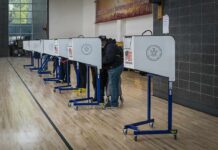

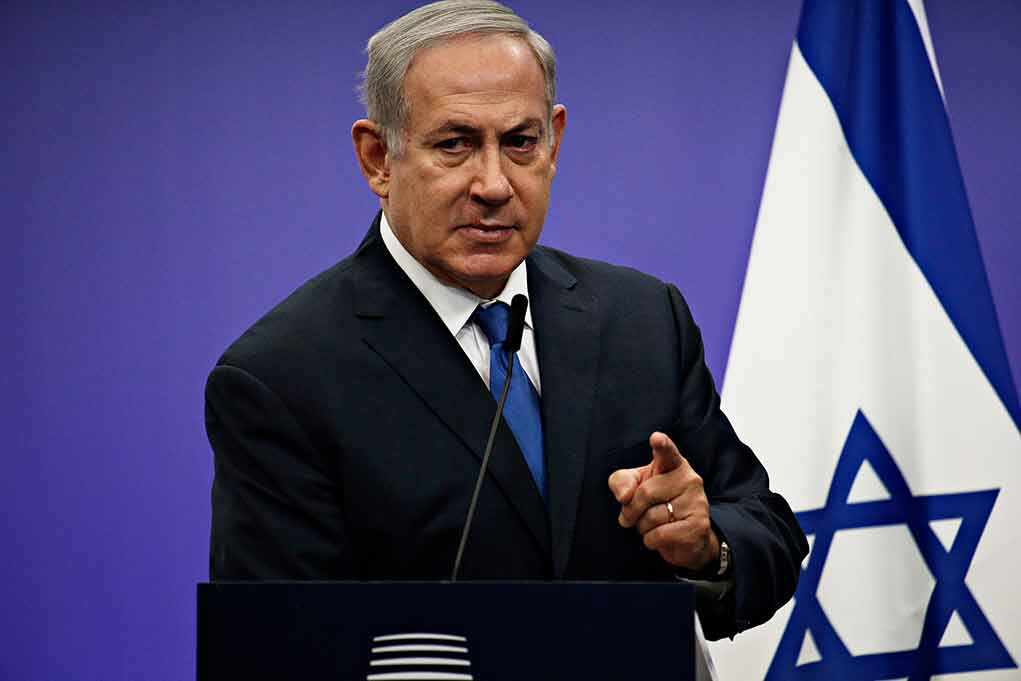
Israel’s election left Benjamin Netanyahu ahead but eight seats short—powerful yet paralyzed.
Story Snapshot
- Netanyahu’s bloc won 53 of 120 seats, short of the 61-seat majority needed.
- Likud remained the largest single party with 27 seats, keeping leverage in talks.
- Opposition leader Gadi Eisenkot says Netanyahu lacks a mandate and public trust.
- Coalition bargaining now decides power, not the popular vote alone.
The Numbers: Largest Bloc, No Majority
Israel’s official results set the stage. Netanyahu’s right-wing alliance finished first with 53 Knesset seats, but it did not cross the 61-seat line to govern on its own. The opposition bloc secured 48 seats, while Arab-led parties took 19. Likud itself topped the party list with 27 seats, proving it remains a force. Yet arithmetic rules. Without partners, 53 means message, not management.
Coalition math drives the next chapter. The president will task someone with forming a government. That person must stitch together at least 61 seats from parties with tight red lines. Netanyahu can try to peel centrists or ultra-Orthodox partners. Eisenkot can seek cross-aisle backing and Arab-led support without breaking his base. Each seat becomes a bargaining chip. Each promise narrows the path for the next promise.
The Mandate Fight: Claims, Counters, And Credibility
Netanyahu’s camp argues size matters. Being the largest bloc and largest party should grant the first shot to form a government. That claim tracks with Israeli custom, but custom is not law. Eisenkot pushed back, calling Netanyahu a caretaker without a popular mandate and warning him not to use the security climate for political gain. He is betting that moral authority and fresh alliances can outweigh the seat lead.
Eisenkot’s critique hits where voters feel it: competence in war. He says decision-making favored politics over strategy and lacked a clear exit plan. Hostage families have voiced similar anger. Polling cited by the British Broadcasting Corporation reported nearly half of respondents believe Netanyahu is continuing the war for political reasons. Those claims are sharp and personal, yet they remain accusations, not settled facts.
What The System Rewards: Patience, Partners, And Price
Israel’s political rules reward coalition builders who can juggle pressure from the street with pressure from small parties. Nationwide proportional representation splinters the map. Big parties rarely rule alone. Small factions demand policy wins, budgets, or ministries in exchange for support. That leverage can both unlock a path to 61 and poison it. One signature demand may cost two would-be partners down the line.
Netanyahu officially loses his majority in Israel's Knesset elections. His coalition wins 53 seats 61 are needed for a majority. The people are tired of the same 1 person making decision for the country. #IsraelElections #Netanyahu #Knesset pic.twitter.com/PN5nR2dPx9
— HadashotIsrael (@HadashotIsrael) November 4, 2026
Voters did not hand either camp a blank check. They handed both camps a stopwatch. The clock favors whoever looks like an adult in the room. A deal that stabilizes the economy, sets a realistic security plan, and respects civic order will sell. A deal that looks like horse-trading for its own sake will not. Common sense says security comes first, the budget must balance, and the rule of law must stand. Parties that ignore this lose fast.
The Immediate Pathways: Three Realistic Scenarios
Scenario one: Netanyahu assembles a narrow right-leaning coalition by bringing back skeptical partners with policy concessions and key ministries. This keeps him in office, but one defection could sink the government. Scenario two: Eisenkot forms a unity-style alignment with centrists, some religious parties, and external support from Arab-led lists. That would be fragile but could calm markets. Scenario three: deadlock forces a short caretaker period and then another election.
Markets and allies will watch for clarity. Allies want a government that can pass a budget, run the military, and speak with one voice. Investors want fewer surprises and a steadier tax and spend plan. Citizens want hostages home and a credible endgame in Gaza. Any leader who cannot say how to reach those goals will bleed support, no matter the seat count. The first 30 days of talks will signal where this is heading.
How To Read The Tea Leaves
Watch committee chairs offered in talks. Those jobs show who will write budgets and steer security laws. Track red-line pledges that get softened or dropped; that is the price of power. Note whether hostage negotiations move in step with coalition progress; progress there would calm public anger. If street protests grow, dealmaking gets harder. If smaller parties break ranks, a unity deal rises from possible to probable.
One hard truth sits beneath the drama. Leadership is not a trophy for finishing first. It is a test of building trust fast. Netanyahu holds the biggest bloc and the clearest brand. Eisenkot holds momentum and the argument that change brings competence. The seat gap is real. The mandate gap is the debate. The side that treats security as duty, not theater, will likely win the country’s patience—and the keys to 61.
Sources:
lifesitenews.com, apnews.com, npr.org, bbc.com, whmi.com, indianexpress.com
© targetliberty.org 2026. All rights reserved.