
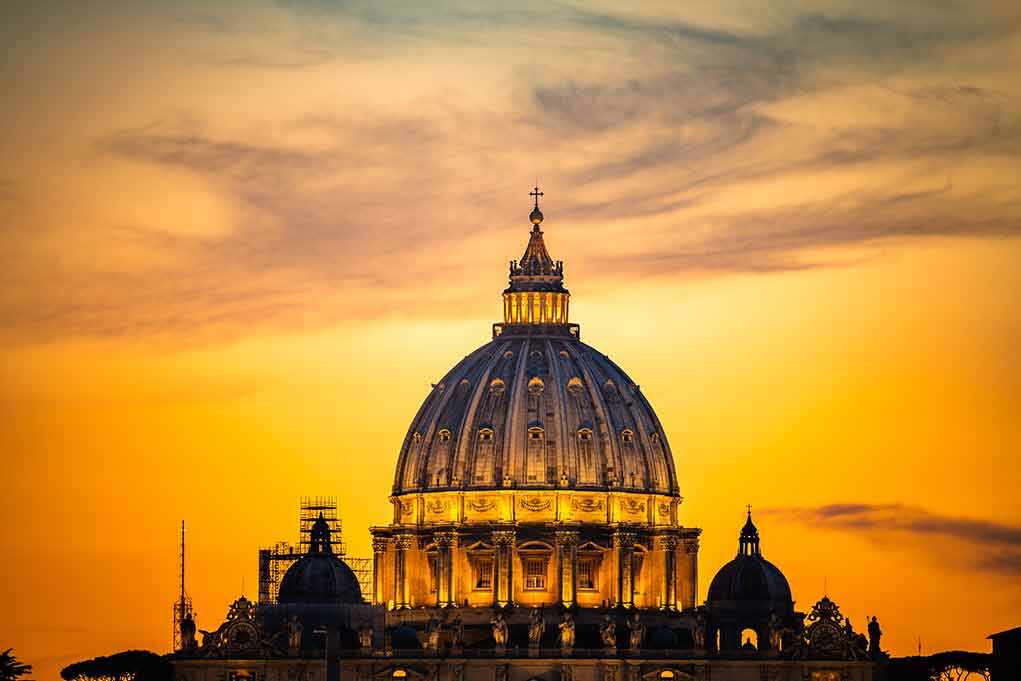
The Vatican says surgeons removed the lower lobe of Pope Leo XIV’s right lung and confirmed lung adenocarcinoma during the operation.
Story Snapshot
- The Holy See Press Office reported lung adenocarcinoma confirmed by tissue exam
- Surgeons removed the right lower lung lobe using a minimally invasive approach
- The operation lasted about 90 minutes within a three-hour operating room window
- Multiple major outlets reported the diagnosis and successful surgery on the same day
What The Vatican Confirmed, In Plain Terms
The Holy See Press Office said doctors confirmed lung adenocarcinoma during surgery at Agostino Gemelli University Hospital in Rome. The report stated that surgeons removed the lower lobe of the right lung to achieve a radical resection, and the Pope awoke normally after the procedure. The medical bulletin named thoracic surgery leaders Dr. Luigi Carbone and Professor Stefano Margaritora. The update framed the operation as successful and without complications in the operating room.
Major newsrooms quickly carried the medical bulletin. Reports from the British Broadcasting Corporation described the diagnosis and the same surgical details, including removal of the right lower lobe and confirmation of lung adenocarcinoma the same day. That alignment signals a standard relay of official facts rather than a disputed account. The timing, procedure, and diagnosis appear consistent across outlets that cited the Vatican’s statement as their source material on October 13, 2026.
What Surgery Like This Means Clinically
Surgeons remove a lung lobe when they believe the cancer is confined to that section and can be taken out with a clear margin. A video-assisted approach uses small cuts and a camera to enter the chest, which often helps patients recover faster. Confirmation by tissue exam during surgery matters because it proves cancer cells are present, not just suspected by scans. That allows the team to proceed with the planned resection in the same session.
Important facts remain outside the public record. The statement did not provide tumor size, lymph node findings, or margin status. Those data decide stage and guide next steps, such as chemotherapy, immunotherapy, or watchful follow-up. The bulletin reported a “radical resection,” which signals curative intent, but final pathology drives prognosis. Until doctors share that, any claim about cure or recurrence risk goes beyond what the record supports. The Vatican’s update did not address those points.
Health, Office, And The Limits Of A Brief Bulletin
Leaders often release narrow medical updates that confirm the core fact—here, cancer and surgery—while leaving out staging and long-term plans. That pattern invites the public to guess about fitness for duty. A better approach, if privacy allows, would share the final pathology summary with key details: tumor dimensions, grade, margins, and lymph nodes. That one page often answers 80 percent of what people want to know about risk and next steps.
🇻🇦 UPDATE: Pope Leo XIV is recovering "as expected" after surgery to remove part of his right lung, the Vatican says.
Doctors confirmed lung cancer. He is walking and doing breathing therapy at Rome's Gemelli Hospital.#PopeLeoXIV #Vatican #WorldNews pic.twitter.com/rg99Bmltmc
— World Desk (@WorldDeskNew) October 15, 2026
Common sense says stick to what we know and do the next right thing. The Pope had lung adenocarcinoma confirmed by tissue exam, and surgeons removed the right lower lobe with a minimally invasive technique. Reports say the operation went well and he woke up normally. The responsible response is prayer, patience, and respect for medical privacy, with a simple ask to release final pathology when ready. That balances transparency with dignity.
Sources:
© targetliberty.org 2026. All rights reserved.