A $25 million federal pot and payouts up to $30,000 now put a price on turning fraudsters in.
Story Snapshot
- President Trump and Vice President Vance are launching a $25 million fraud whistleblower program tied to real enforcement results.
- The Department of Justice will run intake through Fraud.gov, with tips routed for prosecution or action.
- Rewards up to $30,000 go only to tips that lead to a conviction or a significant federal enforcement action.
- The program plugs into the Task Force to Eliminate Fraud, which Vance chairs.
What the White House Is Rolling Out and Why It Matters
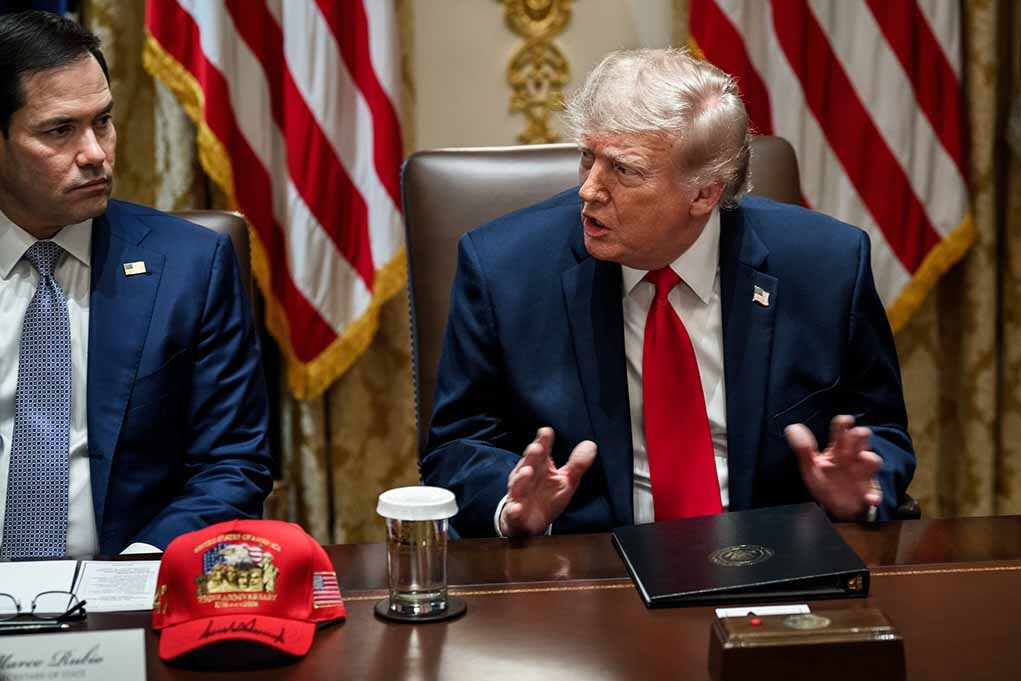
President Trump and Vice President JD Vance are set to announce a Fraud Whistleblower Incentive Program with a $25 million funding pool and awards up to $30,000 for actionable tips. The design pays only when the tip results in a fraud conviction or a significant federal action, not for mere allegations. The Department of Justice will administer the effort, with the public asked to submit leads through Fraud.gov. The program advances the administration’s war on taxpayer fraud.
The effort sits inside the Task Force to Eliminate Fraud, which Trump created in 2026 and which Vance chairs. A White House spokesperson framed the push as zero tolerance for people who steal from Americans and a promise of accountability for taxpayers. The administration’s message is simple: if you know the who, what, when, where, and how of schemes against the public, the government will take the case and, if it sticks, cut you in.
How the Reward Trigger Works
The reward engine focuses on outcomes that matter. A whistleblower becomes eligible only if the lead helps prosecutors lock in a conviction or drives a significant federal enforcement action. That aligns with long-standing federal practice. The Securities and Exchange Commission pays awards only when tips produce successful enforcement actions, and that model has moved hundreds of millions of dollars to whistleblowers in recent years. The signal to tipsters is clear: bring proof, not rumor, and help close the case.
The Department of Justice intake through Fraud.gov offers a single front door for leads. That matters because many citizens do not know which agency handles which offense. A central portal reduces confusion and speeds routing to the right unit. Treasury’s whistleblower page confirms parallel work on fraud and money laundering, with incentives to surface specific, verifiable details that agencies can act on. The net effect is a wider pipeline feeding cases with better first-mile information.
How This Fits a Proven American Playbook
Paying insiders to expose hidden wrongdoing is not new or partisan. The False Claims Act has long used financial rewards to help the government recover stolen funds. In 2014 alone, the Department of Justice reported nearly $6 billion in recoveries from these cases, and it paid $435 million to the whistleblowers who made them possible. The logic is basic and conservative: align incentives, unpack waste, and return money to taxpayers when fraudsters cheat the system.
The Securities and Exchange Commission has validated the same approach in markets. In one recent year, the Commission awarded more than $255 million to whistleblowers, a top-three total for the program. Those awards drove cases that protect investors and punish complex schemes that would otherwise hide in the dark. When agencies back tips with real money and real action, people step forward, and enforcement improves. The Trump-Vance design borrows that tested spine and applies it to taxpayer fraud.
What Conservatives Will Watch for Next
Conservatives want results, not press releases. Three markers will tell if this program performs. First, does the Department of Justice move fast from tip to case filing, while protecting innocent parties? Second, does the reward process stay clear and consistent, so honest citizens know what qualifies without hiring a lawyer? Third, do the cases and recoveries justify the $25 million pool by returning multiples of that to the Treasury?
TODAY: President Trump and VP Vance will announce a $25 million Fraud Whistleblower Incentive Program from the Oval Office at 1:30pm, a White House official tells @realDailyWire.
Through the program, journalists and "average Americans" can submit tips, and if that tip leads to…
— Mary Margaret Olohan (@MaryMargOlohan) October 20, 2026
The White House says the task force is building a nationwide coalition against fraud. That can pay off if it links federal prosecutors, state partners, and financial investigators to follow the money. Treasury’s whistleblower portal suggests that is the direction of travel, with attention to sanctions evasion, money laundering, and other complex crimes that drain public funds. The bottom line is clear: pay for solid leads, move quickly, and measure outcomes in convictions, recoveries, and deterrence.
Sources:
youtube.com, wmxi.com, thehill.com, whitehouse.gov, home.treasury.gov, sec.gov
© targetliberty.org 2026. All rights reserved.