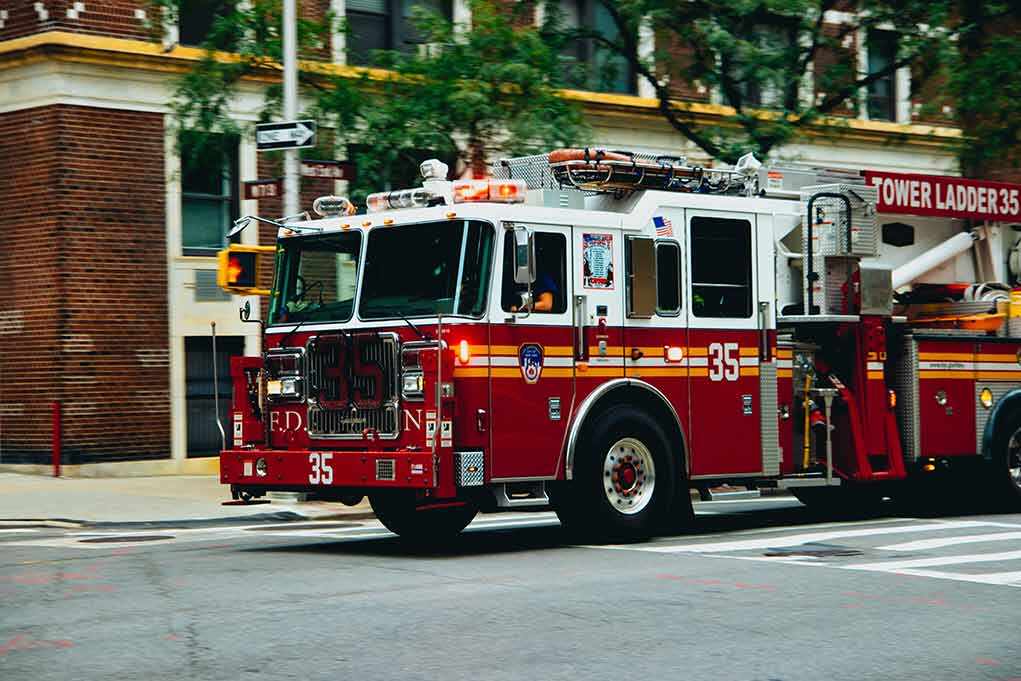
A smoke explosion and a collapsing roof turned a Brooklyn dinner hour into a four-alarm firefight that injured six New York City firefighters.
Story Snapshot
- The blaze began just before 5:30 p.m. at 135 North 5th Street in Williamsburg, Brooklyn.
- Fire spread through three connected restaurants as alarms escalated to four.
- Six firefighters suffered minor injuries; no serious civilian injuries were reported.
- A smoke explosion triggered a mayday, and crews faced a partial roof collapse.
Fire Erupts On North Fifth Street And Spreads Through Three Restaurants
Dispatchers sent the first units to 135 North 5th Street just before 5:30 p.m. Saturday. The building houses three restaurants that share walls, which let the fire spread fast from one business to the next, according to on-scene reports summarized by news outlets. Reporters at the scene identified the origin at the Juliette restaurant address, though spellings varied in coverage. Crowds filled the busy block near Bedford Avenue as smoke pushed across rooftops and down side streets.
Commanders quickly called more help as conditions worsened. The New York City Fire Department raised the alarm to a fourth level, which brought more than one hundred firefighters and emergency medical teams to the block. Hoses hit the fire from the front and rear. Teams checked exposure walls to hold the flames inside the original structure. Radios carried steady orders as officers tracked rising heat and signs of roof failure that often precede collapse.
Smoke Explosion, Mayday, And A Dangerous Roof Failure
About 35 minutes into the push, a smoke explosion ripped through the interior and forced a mayday call, which orders everyone to account for members and adjust tactics. A partial or localized roof collapse followed, forcing crews to pull back and reset lines before reentering under tighter controls, officials said on camera to local outlets. The combination of trapped heat, complex ductwork, and grease loads in restaurants often creates these flash conditions that can reverse gains in seconds.
Six firefighters were treated for minor injuries and taken to hospitals, and officials said they were expected to recover. No one inside the businesses suffered serious injury, according to station reports from the scene. Injury reports in early coverage varied as facts stabilized, which is common in unfolding fire events as officers confirm status across companies and hospitals. Crews remained on site into the night to break hotspots and shore up hazards.
What Investigators Will Look For Next
Fire marshals began the cause probe once the building cooled enough for a safe walkthrough. Investigators in New York City most often find restaurant fires start with cooking equipment and grease conditions, and they frequently flag failure to clean as a factor, according to the city’s restaurant fire safety guidance. They will map burn patterns, check utility lines, track the path across shared walls, and examine vent hoods and duct chases that can move heat and fire above ceilings.
🚨 NYC IN FOCUS | FDNY WIRE
[LIVE WIRE • 6:04 PM] 🚒💥🔥⚠️🚨🧑🚒🆘MAYDAY EXPLOSION: FDNY transmitted a 2nd Alarm Signal 10-66 at 135 N 5th St (Bedford to Berry) in Williamsburg. Active restaurant fire with a rear explosion and members reported trapped. Rescue 2 collapse units &…
— Howard Weiss (@youfoundhowie) September 19, 2026
Structure experts will study the roof area where the collapse occurred to judge whether fire cut key supports or if earlier defects played a role. That review helps set repair or demolition orders and informs future inspections of similar spaces. Large commercial fire investigations take time. The goal is a clear ignition point and a practical set of lessons on maintenance, cleaning schedules, and protection systems that match the real risks inside busy kitchens.
Why This Fire Fits A Known Urban Risk Pattern
Linked storefronts with shared voids let a restaurant fire step into the next space before crews can cut it off. Lightweight roof systems over hot kitchens can fail fast once fire reaches trusses or deck connections. National case histories of restaurant fires show how fast conditions can turn, with roof failures endangering firefighters even in single-story buildings. That pattern is why officers watch roof integrity and order withdrawals at the first sign of sag, push, or rolling smoke.
Common sense says public safety starts with basics: clean hoods and ducts, working suppression systems, and staff who know how to shut gas and electricity. That is not government busywork; it is the front line that buys minutes when grease ignites. New Yorkers expect restaurants to follow the rules, and they expect firefighters to come home. The facts from Williamsburg point to both aims at once: strong response, and a reminder that prevention beats heroics every time.
Sources:
nypost.com, longisland.news12.com, ground.news, brooklyn.news12.com, abc7ny.com, patch.com, fox5ny.com, ntrl.ntis.gov
© targetliberty.org 2026. All rights reserved.