

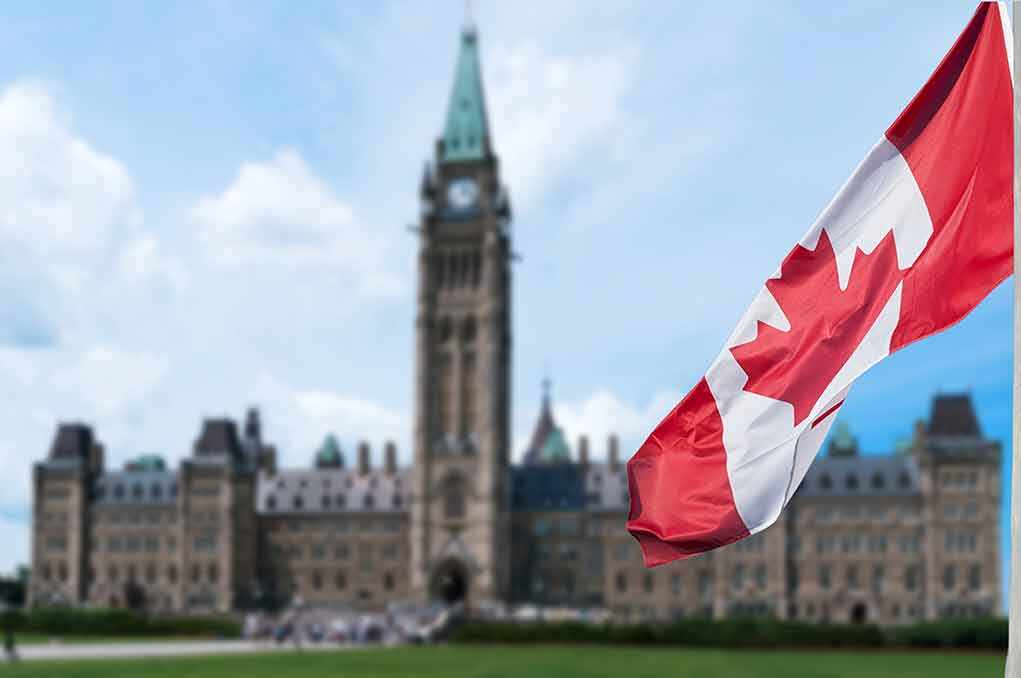
In Strasbourg, the European Union’s top official invited Canada to become the bloc’s first “associate member,” and she said it on the record in the State of the Union.
Story Snapshot
- European Commission President Ursula von der Leyen made a public offer to Canada.
- She delivered it during the European Union’s annual State of the Union address.
- The plan aims to build a deeper alliance beyond trade into tech, energy, and defense industry links.
- Canada already holds association status in the European Union’s Horizon Europe research program.
EU Invitation Lands With High Visibility And Clear Intent
European Commission President Ursula von der Leyen told Prime Minister Mark Carney she wants Canada as the first “associate member” of the European Union. She made the offer during the State of the European Union speech in Strasbourg. News wires and broadcasters quoted her direct line “open the door for Canada” and framed it as an historic first. The venue and language signal political will at the top of the European Union system.
Von der Leyen tied the idea to a practical agenda. She pointed to intelligent manufacturing, a technology alliance, defense industrial integration, Arctic work, energy, critical minerals, batteries, artificial intelligence, quantum computing, cybersecurity, and economic security. The message was blunt: move “from CETA to an alliance for the future” and build a shared prosperity and security space. That framing suggests a package of work streams rather than a branding exercise.
Canada Signals Openness To A Unique Alliance, Not Membership
Prime Minister Mark Carney has pressed for tighter ties but used different words. He has described a “unique alliance” with the European Union and made clear Canada is not seeking membership. Canadian officials said they want deeper cooperation that protects supply chains and boosts industry without stepping into formal European Union membership tracks. That posture keeps doors open while avoiding a domestic fight over sovereignty and budget lines.
That stance tracks with common sense for a non-European nation. Canada can seek market access, shared standards, and defense-industrial scale without agreeing to the European Union’s legal order. American conservatives will see the merit in tight trade and security links that stop short of supranational control. Cooperation on critical minerals, cyber defense, and energy grids helps North American security too, if it reduces dependency on unfriendly suppliers. The key is voluntary alignment, not forced rule-taking.
Associate Membership: A New Label On A Familiar Toolbox
The European Union often uses “association” deals to open specific programs to partners. Canada already joined Pillar II of Horizon Europe in July 2024, which gives near-equal access to major research calls. That agreement shows the model: deep access inside one policy area with set rights, costs, and governance. The new overture extends the spirit of that model across economy, tech, and security cooperation. It sketches a bigger frame, with sector deals stacked into a broad alliance.
Carney just sat in Strasbourg and smiled while von der Leyen offered Canada “associate membership” in the EU. That’s not a compliment, that’s a junior-partner badge.
Canada’s largest customer, largest investor, and only serious security partner sits on the other side of the… https://t.co/7G6Wv4VGyn pic.twitter.com/cs5F1hiNbn
— Martyupnorth®- Unacceptable Fact Checker (@Martyupnorth) September 16, 2026
Reporters also flagged a legal gap. The European Union treaties do not define an “associate member” status for the Union itself. The European Union would need to design the category and route it through institutions and member states. That does not block action on sector deals, but it means any umbrella label must be built. For now, the proposal is a political opening at the top level, with concrete workstreams likely to advance under existing association tools.
Why Now: Strategic Hedge, Supply Chains, And The Arctic
The timing speaks to shifting geopolitics. Coverage tied the move to turbulence in transatlantic trade and security, and a push to de-risk key supply chains. Canada brings critical minerals, energy know-how, and Arctic access. Europe brings market depth, standards power, and capital. Both sides fear shocks from hostile states and want resilient production for batteries, semiconductors, and clean-tech gear. A formal alliance could lock in joint plans and keep factories and research on friendly soil.
Defense industry cooperation sits near the core. Europe is scrambling to scale ammunition, air defense, and naval capacity. Canada can plug in with funding, industrial sites, and technology links that match North American and European standards. That network effect improves deterrence without forcing treaty changes. Voters understand the basics: build more at home or with allies you trust, and stop giving leverage to rivals who weaponize trade and data.
What To Watch: Design, Dollars, And Domestic Politics
Three tests will decide if this idea sticks. First, the European Union must outline the structure. Clear terms on decision-making, dispute resolution, and budget shares will prove this is real. Second, both sides must pick early wins. A joint battery supply chain fund, a cyber defense exercise series, or an Arctic energy corridor project would show momentum. Third, leaders must sell it at home as pro-growth and pro-sovereignty, not a backdoor to new bureaucracy.
Caveats remain simple. Member states have not voted on an “associate member” category, and the legal form is not published. But the offer was public, direct, and tied to a list of projects. Canada has a working template in research association and a clear line on sovereignty. If the parties deliver real factories, faster permits, and more secure networks, voters will not care what the label says. They will see stable jobs and safer supply lines.
Sources:
youtube.com, globalnews.ca, reuters.com, amp.dw.com, wsj.com, news10.com, indiatoday.in, research-and-innovation.ec.europa.eu, irishtimes.com, euronews.com
© targetliberty.org 2026. All rights reserved.