

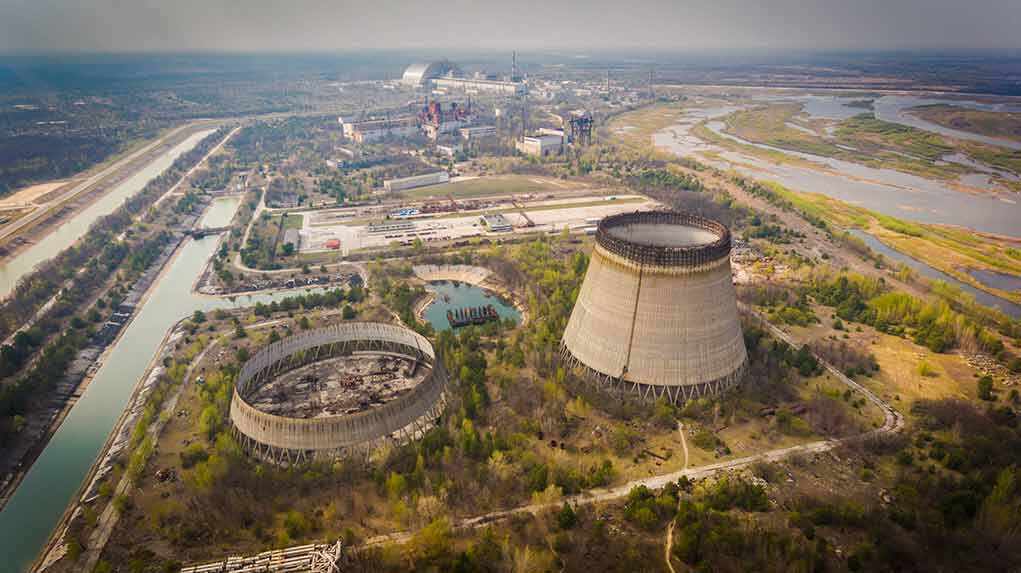
A drone struck a cooling tower at Russia’s Kursk nuclear plant while the reactor kept running, and no fire broke out.
Story Snapshot
- The International Atomic Energy Agency said a drone hit a cooling tower at Kursk.
- The reactor unit was operating at the time; its mode did not change.
- No fire or radiological release was reported, according to briefings relayed to the agency.
- The agency’s chief called attacks on nuclear sites unacceptable and risky.
What the agency confirmed about the Kursk strike
The International Atomic Energy Agency said it was informed that a drone hit the cooling tower of a reactor unit at the Kursk Nuclear Power Plant. The unit was operating at the time. Plant operators did not change the operating mode, and no fire was reported after the strike, according to the same reports shared with the agency. Media summaries in several languages relayed the same core points about the hit, continued operation, and absence of fire or release.
Agency Director General Rafael Grossi condemned the strike and said attacks on nuclear facilities are unacceptable because they can jeopardize safety. He urged restraint to reduce the risk of a nuclear accident. This response fits the agency’s stance across the war. The agency has warned that any military activity near a reactor, spent fuel pools, or power lines increases risk. Even without visible damage, a blast or debris can strain safety systems and staff performance.
Why a cooling tower hit matters even without a fire
Cooling towers help remove heat from reactor systems. A strike on a tower can be survivable for the plant if redundancies hold, but it reduces safety margin. The agency has stressed similar points at Ukraine’s Zaporizhzhia site, where it said the situation remains precarious and that direct or nearby attacks raise the chance of an accident. The Kursk hit adds to that pattern. It shows how drones and shrapnel can reach nonreactor assets that still matter for cooling and backup paths.
Russia told the agency in a prior episode that drone debris landed close to Kursk’s spent fuel storage area, about one hundred meters away, underscoring repeated hazards near key equipment. Independent nuclear watchers also logged late-summer incidents and warnings around Kursk and Zaporizhzhia, noting the trend toward drone-related risks. These episodes create headlines fast, yet the real stakes hide in grid stability, water supply, and secure access routes for staff.
The war pattern that keeps raising nuclear risk
The Russia-Ukraine war has turned nuclear sites into pressure points. Hits do not need to pierce a reactor to matter. Damage to cooling gear, power lines, or fire systems can push a stable plant toward an emergency if combined with fresh shocks. The agency has said war near a major nuclear program brings the threat of an accident closer, even when immediate readings stay normal. Kursk now joins a list of strikes and near-misses that prove the point.
Following a Ukrainian drone strike on the cooling tower of a reactor unit at the nuclear power plant in Kursk, Russia initiated a large-scale wave of missile attacks against Ukraine. Dozens of missiles were launched by the Rus Air Force and Navy targeting the capital city of Kyiv
— anuragk (@anuragk600) September 18, 2026
Common sense and conservative priorities align with the agency’s core rule here: do not target nuclear infrastructure. Civilian energy assets should stay out of the crosshairs. Hitting a cooling tower risks a domino effect that can force shutdowns, harm local economies, and strain grids. The path forward is simple to state, if hard to enforce: keep weapons away from nuclear plants, protect off-site power, and maintain clear access for firefighters and engineers when alarms sound.
Sources:
insiderpaper.com, world-nuclear.org, eaworldview.com, stimson.org, bluewin.ch, reuters.com
© targetliberty.org 2026. All rights reserved.