A 27-year-old woman was found beaten to death on a Brooklyn kitchen floor before sunrise, with a young child nearby.
Story Snapshot
- Police found the victim around 5 a.m. inside a Kensington home, with clear signs of trauma.
- Medics pronounced her dead at the scene; detectives are investigating who did it and why.
- A young child was nearby, sharpening questions about family safety and early warning signs.
- City fatality reviews show child presence is common in domestic homicides, adding urgency to prevention.
What Police Say Happened Inside The Brooklyn Home
New York City officers responded to a call on Minna Street near Martense Lane in Kensington around dawn. They found a 27-year-old woman lying face-up on the kitchen floor with trauma to her body. Medics pronounced her dead at the scene. Law enforcement sources said a young child was present or nearby when officers arrived. Detectives are working the case as a homicide and have not announced arrests or a public suspect description. The Medical Examiner will determine the exact cause and manner of death.
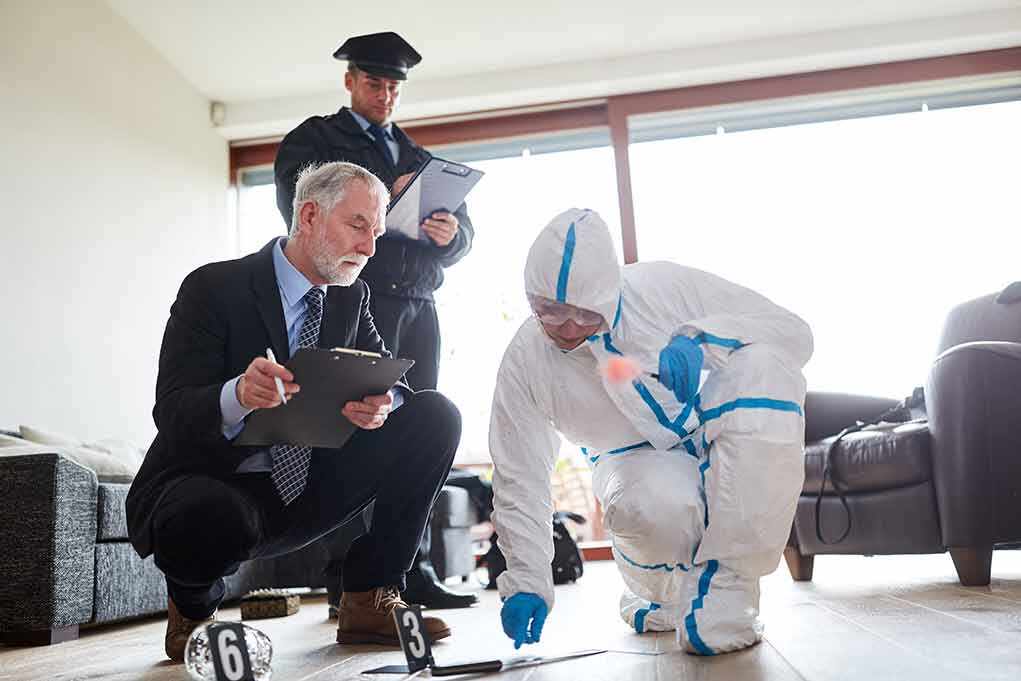
Police have not released the woman’s name. The home sits on a quiet block of row houses where early-rising neighbors often hear delivery trucks and school buses before dawn. A police canvas began shortly after the discovery. Detectives knocked on doors, pulled security camera footage, and checked for prior calls to the address. Crime scene technicians documented the kitchen and adjacent rooms for blood spatter, prints, and trace evidence that could point to a timeline and a likely assailant.
Why The Child Detail Changes The Stakes
New York City’s own fatality reviews show a hard fact: a child is often in the room, the next room, or the home when domestic homicides happen. More than one in five domestic violence homicides in the city involved a child victim age ten or younger over recent years, underscoring how violence at home radiates across generations. City analysts stress that police hold the location and relationship data first, while the Medical Examiner’s findings follow later, which can shape charges and public understanding.
That lag matters for justice and prevention. Early police information can warn the public quickly, but medical and charging records bring the legal clarity that holds in court. For families and neighbors, the knowns are already heavy: a young mother-age adult is dead, the suspected weapon was blunt force, and a child was close enough to feel the blast zone of the crime. That is the precise profile that fatality review teams flag for targeted help before danger peaks.
How Detectives Will Build The Case
Detectives will start with the circle closest to the victim. They will map recent disputes, visitors, and calls for help. They will pull doorbell and hallway footage for the hours before dawn, then trace any car seen near the address. Phone records, text messages, and social media logs will set a clock on her last known contact. The Medical Examiner’s report will match wounds to possible weapons and estimate time of death, tightening the window that video and phone data must cover.
Police will also check for past reports tied to the address and to key people in the victim’s life. That history can show a pattern, a trigger, or a court order that someone ignored. If the case points to domestic violence, prosecutors can use prior acts to show motive and intent. If it points outside the home, video and transit records often lead to a suspect within days. Either way, the first 72 hours matter most for a clean chain of proof.
Safety Lessons That Work In The Real World
Neighbors and families often see smoke before fire. Sudden isolation, smashed phones, holes in walls, and fear around money are classic markers that danger is rising. The city’s fatality review team says the system must react faster when those signs cluster, because kids often share the space where violence spikes. Common sense says act early: document what you see, save texts and photos, and push them to a trusted friend or advocate outside the home who cannot be pressured to delete them.
For parents, build a low-drama plan for the child: a safe word, a neighbor’s door to knock on, and a bag with copies of key papers. For friends, offer rides, hold spare keys, and store screenshots. For landlords and boards, fix broken entry doors and cameras fast. These steps do not replace police and courts, but they close the gap between the first scary night and the day real help arrives. City data makes clear that gap is where too many lives are lost.
What Comes Next In This Case
Detectives will wait on the Medical Examiner’s ruling and keep building the timeline. If the suspect is close to the victim, an arrest can come quickly once evidence locks in. If not, police can still track movement through video, transit cards, ride-share logs, and phone pings. The presence of a child raises the stakes for prosecutors and judges, who face a duty to protect the smallest witness to the worst act someone can commit inside a home.
Sources:
nypost.com, abc7ny.com, nydailynews.com, people.com, gothamist.com
© targetliberty.org 2026. All rights reserved.