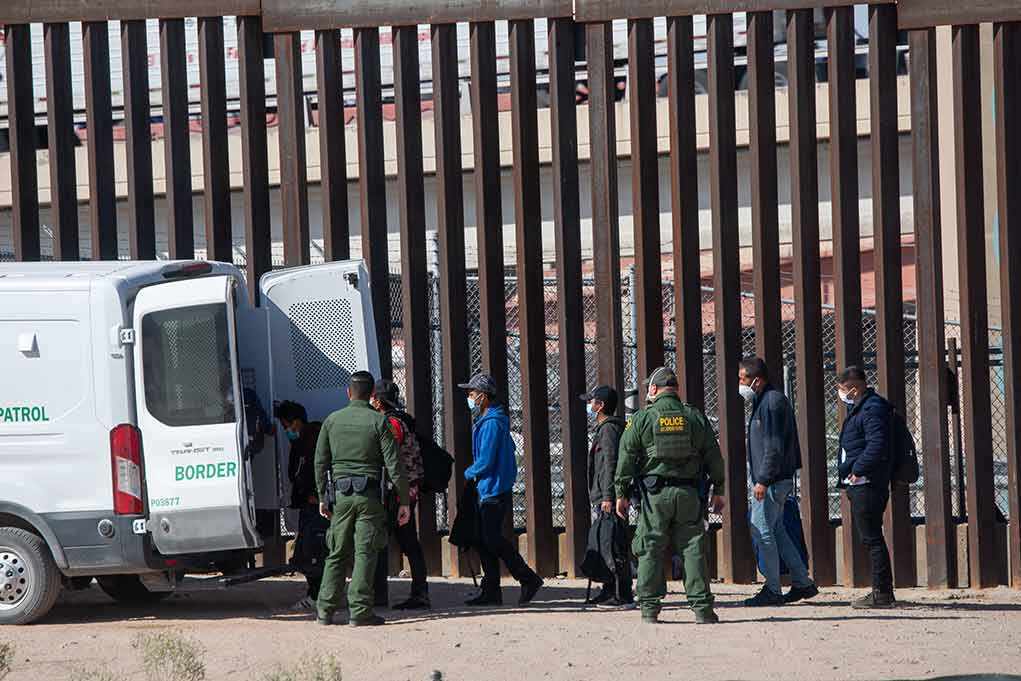
A caravan of migrants marching through southern Mexico just got handed a one-sentence preview of what waits for them at the United States border: turn around, or get arrested, prosecuted, and deported.
Quick Take
- White House Border Czar Tom Homan warned the “Fe y Esperanza” caravan it faces immediate turnaround or arrest, prosecution, and deportation.
- Homan says the administration is enforcing “zero releases” at the border under President Trump.
- The caravan remains over 1,500 kilometers from the nearest likely U.S. crossing point, still moving through Chiapas.
- Some caravan members say they would rather stay in Mexico and work if they can get legal status there.
- History shows most caravans shrink or scatter long before reaching American soil.
Homan Draws A Hard Line Before The Caravan Gets Close
Homan laid out the administration’s plan in blunt terms during a Fox News interview reported September 29. “They’ll be immediately turned around, or they’ll be arrested and prosecuted and deported,” he said. No middle option, no exceptions mentioned, no wiggle room offered to a group still weeks away from reaching American soil.
Homan went further on the question of what happens to migrants who do make it to a port of entry. “Zero releases from the border under the Trump administration. President Trump promised that. He’s going to keep that promise,” he said. That is a specific, testable pledge. It gives the public a clear yardstick to measure results against once, or if, this caravan actually reaches the line.
A Backup Plan For Countries That Drag Their Feet
Homan also addressed a problem that has slowed deportations for years: home countries that refuse or delay taking back their own citizens. He indicated migrants could be sent to third countries if their nation of origin stalls on accepting them. That threat targets a loophole smugglers have long exploited, betting that slow paperwork buys migrants time inside the United States.
Behind the public warnings sits quieter coordination. The Department of Homeland Security has been tracking the caravan’s movement, and Secretary Markwayne Mullin said officials are in contact with Mexico, which is helping disperse the group before it gets near the U.S. line. That kind of upstream pressure has become the preferred tool for stopping caravans long before they become a border crisis.
The Group Itself Isn’t United On Where It’s Headed
Here’s the twist skeptics should weigh: not everyone in the caravan wants to reach the United States. Some participants told reporters they might settle in Mexico if they can get legal status and find work there instead. A separate report said most of the group wanted to stay in Mexico, and that many accepted transport to Chiapas’s capital after Mexican immigration officials promised documents letting them regularize their stay.
Humanitarian groups have also stepped in along the route, treating migrants for exhaustion, dehydration, and blistered feet while supplying food, water, and basic medical care. Marchers have pushed back on being branded criminals, with some chanting that they are “international workers,” not lawbreakers. None of that changes U.S. policy, but it complicates the picture of a caravan marching in lockstep toward the border.
What The Historical Pattern Suggests Happens Next
Caravans are not new, and neither is the gap between their size at departure and their size at arrival. The 2018 caravan peaked near 1,000 people, yet only about 400 ever reached the U.S. border, worn down by distance, Mexican enforcement, and shifting plans among members. Researchers have tracked this group-travel strategy for over a decade, noting it helps migrants pool resources and avoid crime along the route, not guarantee a border crossing.
[BOT] U.S. Supreme Court — BURFORD GERMAN FUNDING, ET AL. V. FINANCIALRIGHT CLAIMS GMBH (25-1269)
Order issued 2026-10-19.
Official source: https://t.co/F1hwvEzRlPOfficial text
(ORDER LIST: 610 U.S.)MONDAY, OCTOBER 19, 2026
CERTIORARI — SUMMARY DISPOSITION
25-1269 BURFORD…
— Idalog (@Idalogbot) October 19, 2026
That history matters here. This caravan sits more than 1,500 kilometers from the nearest likely crossing point, still working its way north through Chiapas. Mexico’s cooperation, the caravan’s own internal splits, and the sheer distance left to travel all suggest this group may never test Homan’s promise in full. Betting on exactly what happens at the border right now is still a guess, not a certainty, and the honest answer is nobody knows yet how this ends.
Sources:
twitchy.com, rvmnews.com, townhall.com, womensystems.com, univision.com, ifapray.org, yahoo.com, x.com
© targetliberty.org 2026. All rights reserved.