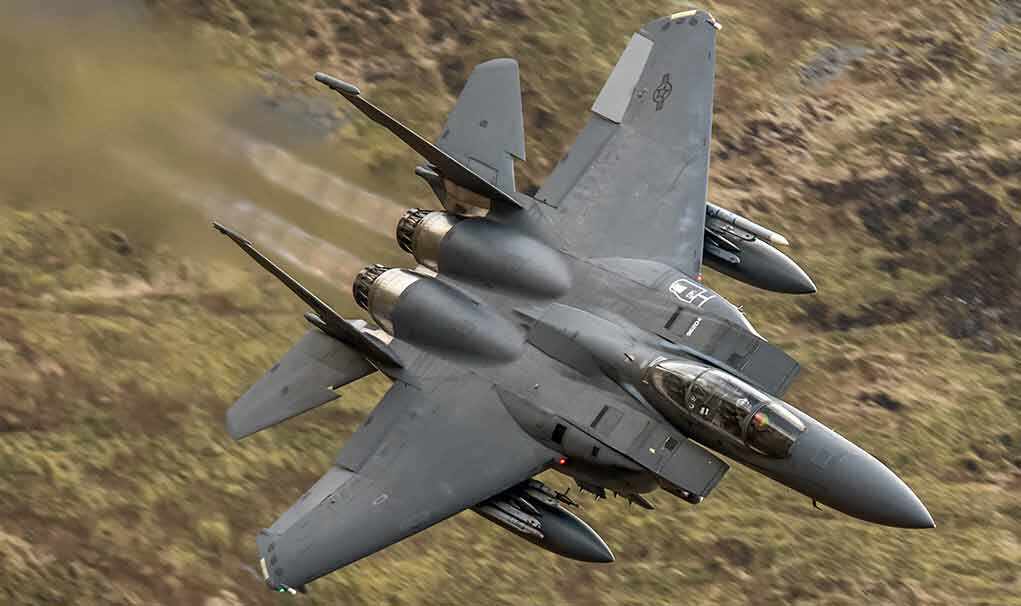
One French Mirage 2000D crashed at night near Nancy, leaving one crew member dead and another missing, and the facts tell a stark story of risk, readiness, and routine turned tragic.
Story Snapshot
- A Mirage 2000D from Nancy-Ochey crashed near Rogéville around 22:40 on Oct. 20, 2026.
- Two crew were aboard; one body was recovered, one remains missing as searches continue.
- The jet belonged to Fighter Squadron 2/3 “Champagne” and was returning from a night mission.
- Safety investigators will examine causes after initial rescue and security steps.
What Happened And Where The Search Stands
The French Ministry of the Armed Forces reported that a Mirage 2000D from Fighter Squadron 2/3 “Champagne,” based at Nancy-Ochey Air Base 133, went down near Rogéville at about 22:40 on October 20, 2026, while returning from a mission. Two crew members were aboard. Authorities confirmed one fatality at the scene. Rescue teams kept searching for the second crew member through the night and into the next day, using ground teams and aerial support as weather allowed.
Local reports and defense outlets echoed the ministry’s core facts: the time, location, unit, aircraft type, and casualty status. The training profile involved night operations typical for this aircraft and base. Early headlines focused on the loss, while officials emphasized the priority of recovery and family notifications. Formal identification of the recovered body awaited standard procedures. Night searches challenged crews with terrain, debris hazards, and the need to preserve evidence for investigators.
The Aircraft, The Mission, And The Demands Of Night Flight
The Mirage 2000D is a two-seat strike variant designed for precision attack and complex navigation in all weather. Crews train at night to maintain combat credibility, because real missions rarely wait for daylight. Returning from a sortie, crews face fatigue, task loading, and strict approach procedures. Night amplifies small errors and masks visual cues. That is why militaries build layered training and checklists to keep crews safe while they prepare for the worst-day scenarios they must be ready to meet.
Nancy-Ochey’s “Champagne” squadron carries deep experience with this mission set. The base runs routine night training cycles to sustain proficiency across crews and seasons. The pattern fits a familiar arc in military aviation: strenuous training to protect national interests, punctuated by rare but severe mishaps that demand urgent response and later technical review. That cycle is not a flaw of seriousness. It is the cost of preparing aircrews for the harsh edges of real-world operations.
What Comes Next: How France Investigates Military Air Mishaps
France uses a state aviation safety process to reconstruct events and issue preventive steps. The State Aviation Safety Investigation Bureau focuses on facts, human factors, and procedures to explain what happened and why, apart from any judicial track. Prior investigations show how these teams collect data, analyze crew actions, and map environmental and organizational factors to recommend fixes that stick across units and years.
✈️💥 1 DEAD, 1 MISSING: French fighter jet crash
A Mirage 2000D went down near Nancy on a night training flight — pilot killed, search on for the navigator in thick fog.
WHAT HAPPENED
• Tuesday ~10:40pm: Mirage 2000D crashed near Rogéville, ~18km NW of Nancy
• Pilot killed —… pic.twitter.com/iDK4s0ntQF— Master the captain (@mollicksoif9) October 21, 2026
Expect a staged timeline. First, rescue, recovery, and site security. Next, the technical and human-factors inquiry, testing scenarios such as systems failure, spatial disorientation, and emergency procedures. Finally, a public safety report that preserves anonymity but lays out causes and lessons for crews and commanders. Prior reports underscore how even routine ground lighting or navigation assumptions can trigger risks that investigators resolve with clear, practical changes.
Why This Loss Matters And The Values At Stake
Night training is not a photo op; it is insurance. Nations ask aircrews to master complex tasks so they can act fast when lives or sovereignty are at risk. That readiness carries danger even far from war zones. The French release states what can be confirmed now and keeps speculation out, which aligns with common sense and the conservative view that serious institutions should state facts, act, and then correct processes after real evidence, not rumor.
Honor follows truth and duty. The facts confirm one crew member did not make it home, and another was still unaccounted for as searches continued. The right response is clear: support the families, finish the search, let investigators do their job, then apply the lessons across the fleet. That is how a professional force turns pain into better training, safer cockpits, and stronger national defense.
Sources:
theaviationist.com, defense.gouv.fr, aviation24.be, aerotime.aero, wtaq.com
© targetliberty.org 2026. All rights reserved.