
One seizure can look like a clean military win, yet the real fight is over what the ship was doing before the helicopters arrived.
Quick Take
- U.S. Central Command said forces disabled and boarded the M/V Touska after repeated warnings were ignored and the ship was moving toward an Iranian port.
- Military footage released by U.S. officials showed the destroyer engagement and the Marines’ helicopter assault, which makes this an official operation, not just a rumor.
- Multiple reports described the vessel as Iranian-flagged or Iran-linked, and Iranian officials answered by calling the seizure piracy.
- The strongest unanswered questions are the ones that matter most in maritime law: destination, cargo, and legal authority.
What Happened at Sea
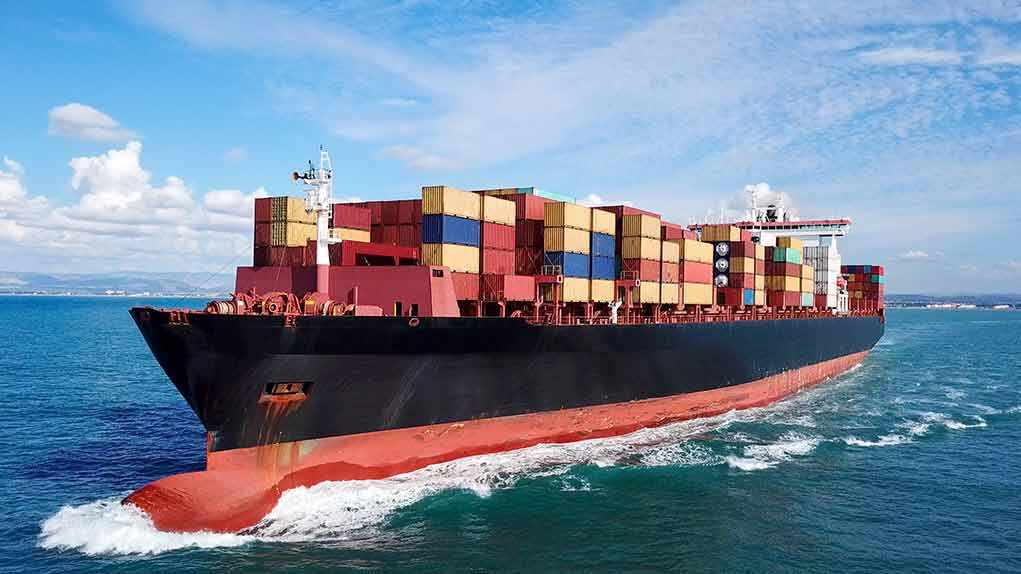
U.S. forces disabled the M/V Touska in waters near the Strait of Hormuz and then boarded it by helicopter, according to Central Command and multiple news reports. The military said the ship failed to comply with repeated warnings over a six-hour period and was trying to enter an Iranian port. That detail is the heart of the case. If true, the seizure fits the U.S. blockade story. If not, the legal picture changes fast.
The footage matters because it shows a real, live operation. But video alone does not answer the hardest questions. It proves the boarding happened. It does not prove the cargo was banned, the route was unlawful, or the crew understood every warning. That gap explains why the same event can look like enforcement to one side and overreach to the other.
Why Washington Says the Ship Was Fair Game
Washington’s case rests on blockade enforcement. Central Command said the vessel was heading toward an Iranian port and had violated U.S. blockade measures. Other reports repeated that framing and said the military had warned it would stop vessels trying to breach the blockade. That makes the seizure part of a broader pattern, not a one-off burst of force. The U.S. message is simple: the rules were announced, and the ship ignored them.
That story is stronger because the ship was described in several reports as Iranian-flagged or Iran-associated. In plain English, that gives the U.S. a basis to claim it was acting against an identified target, not some random commercial hull. Still, identification is not the same as proof of wrongdoing. A flag, a route, and a dramatic boarding are not enough by themselves to settle the legal question.
What the Public Record Still Does Not Show
The public reporting leaves out the documents that would settle the dispute. The available material does not include the cargo manifest, bill of lading, charter party, AIS track, or a boarding report. That matters because a blockade case lives or dies on facts that are dull but decisive. Where was the ship going? What was on board? Who owned it? What warnings were given, and how were they delivered?
That missing paperwork is why the seizure remains easy to narrate and hard to prove in full. U.S. officials and military footage supply a forceful public case, but they do not replace the underlying record. The legal authority for a blockade also remains thin in the supplied sources. They describe the enforcement, but they do not show the order, statute, or mandate that would let a reader test the blockade’s lawfulness.
Why the Story Turned So Fast Into Geopolitics
Iran’s response pushed the case from maritime enforcement into open political conflict. Iranian officials called the seizure piracy and threatened retaliation, which hardens the public frame before any legal forum can sort the facts. That is how these incidents usually unfold. One side talks about security and sanctions. The other talks about theft and aggression. The ship becomes a symbol before it becomes a case file.
🇺🇸🇮🇷— CENTCOM diverts 12 commercial vessels attempting to breach naval blockade on Iran
🔴 US forces diverted 12 ships, disabled 2 that did not comply, and inspected 2 others as of July 25.
— The Global Observer (@TPObserver) July 26, 2026
The bigger lesson is that maritime power is often persuasive before it is fully explained. A destroyer, a disabled vessel, and Marines on deck make a vivid picture. That picture can be enough for many viewers. But the real burden of proof sits in the paperwork and tracking data that the public has not seen. Until those records emerge, the seizure is established, but the full story is not.
Sources:
facebook.com, aljazeera.com, euronews.com, youtube.com, bbc.com
© targetliberty.org 2026. All rights reserved.