
The dominoes are falling, and oil markets are bracing for a seismic shift that could reshape global energy dynamics for decades to come.
Story Overview
- Trump’s military action toppled Venezuela’s Maduro in January 2026, unlocking massive oil reserves
- Iran faces mounting pressure as analysts predict it could be next, threatening to flood markets with additional supply
- Combined Venezuelan and Iranian oil could create a 1.5-2 million barrel per day surplus by 2026
- Oil prices already dropped 20% in 2025, with further declines expected from the supply surge
The Venezuelan Precedent Sets the Stage
Venezuela’s transformation from oil powerhouse to economic wasteland began long before U.S. sanctions took effect. Under Hugo Chávez and Nicolás Maduro, the nation’s oil production collapsed from 2.9 million barrels per day in 2013 to just 900,000 by 2025. The country lost 80% of its GDP through hyperinflation that peaked at 130,060% in 2018, forcing 7.7 million people—25% of the population—to flee.
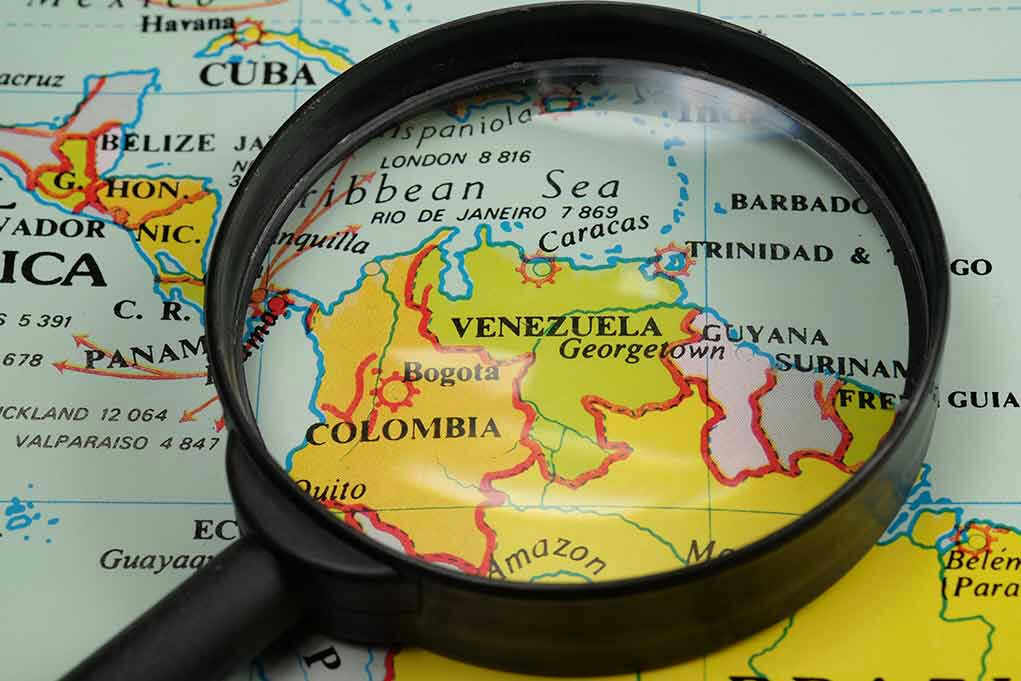
Trump’s surprise military intervention in early 2026 ended Maduro’s reign but created a power vacuum that sent shockwaves through energy markets. The U.S. seized Chinese-linked oil assets, including the tanker SKIPPER, signaling a broader confrontation over energy resources. While Venezuela’s oil infrastructure needs years to recover, the precedent was set: regimes controlling vast energy reserves are vulnerable to U.S. action.
Iran’s Double Jeopardy
Tehran watched Maduro’s fall with particular alarm. Iran has maintained oil exports of 1.5-2 million barrels per day to China despite sanctions, using these revenues to prop up its struggling economy amid high inflation and currency devaluation. Unlike Venezuela’s decayed infrastructure, Iran’s oil facilities remain capable of rapid production increases if economic desperation overrides political considerations.
The loss of Venezuela as an ally compounds Iran’s isolation. Both nations had coordinated sanctions evasion strategies and shared anti-American rhetoric. With Maduro gone, Iran faces the prospect of standing alone against U.S. pressure while managing internal economic turmoil that mirrors Venezuela’s pre-collapse conditions.
The Coming Supply Tsunami
Energy analysts warn that the combination of Venezuelan recovery under U.S. influence and potential Iranian policy shifts could devastate oil prices. Matt Gertken from BCA Research notes that Iran’s existing infrastructure enables quick supply additions, unlike Venezuela’s years-long rebuilding process. This creates a perfect storm scenario where both nations simultaneously increase production.
The global oil market already faces saturation from non-OPEC growth in the U.S., Brazil, and Guyana. A 1.5-2 million barrel per day surplus by 2026 would overwhelm OPEC+’s ability to manage prices through production cuts. The organization’s coordination mechanisms, designed for scarcity management, lack the tools to handle such massive supply additions from previously sanctioned producers.
Geopolitical Chess Moves
China emerges as the biggest loser in this scenario. Beijing has over $60 billion in loans to Venezuela at risk and depends heavily on Iranian oil imports. U.S. actions targeting Chinese energy interests signal a broader strategy to break China’s alternative energy supply chains. The seizure of Chinese-linked Venezuelan assets demonstrates Trump’s willingness to directly confront Beijing’s investments.
For Iran’s leadership, the calculation becomes stark: maintain confrontational policies while watching the economy deteriorate, or prioritize survival through increased oil sales. The Venezuelan precedent suggests that economic collapse can provide justification for U.S. intervention, making Tehran’s choices increasingly constrained. Iran’s “double significance” in losing an ally while facing similar pressures creates a strategic dilemma with no easy solutions.
Sources:
Venezuela Iran Brace for Oil Price Shock Massive Supply Surge Looms By 2026
Anatomy of an Economic Suicide Venezuela Under Maduro
US Venezuela Maduro Predictions Analysis
Analysis What Does the Fall of Venezuela’s Maduro Mean for Tehran
Venezuela Maduro US Trump Editorial