

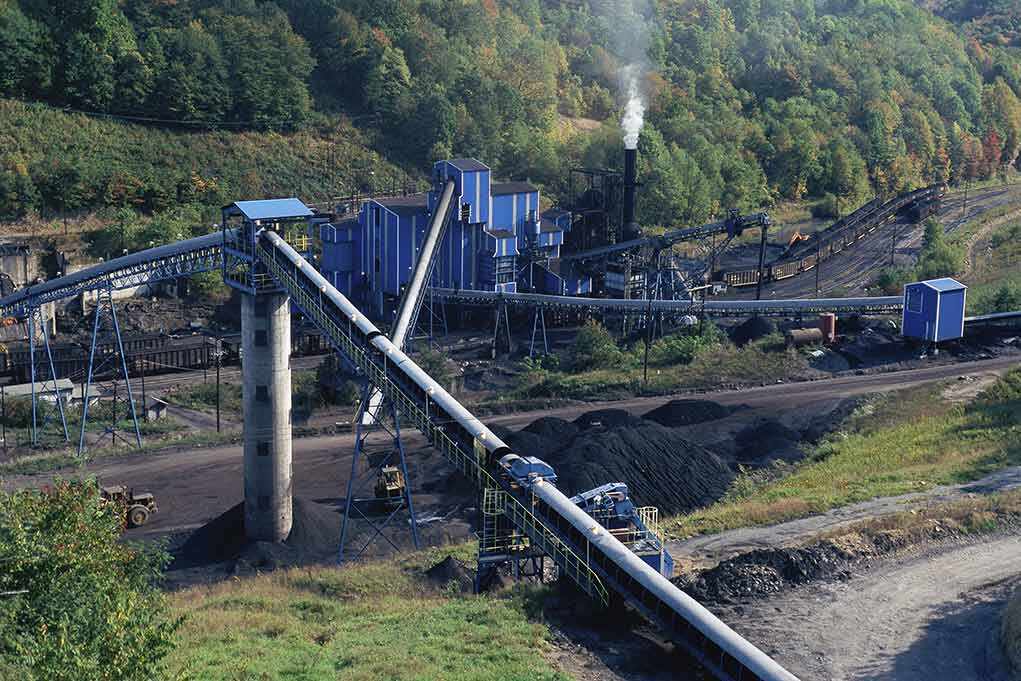
A $15 billion steel plant in Iowa shows tariffs can still move real steel, not just headlines.
Story Snapshot
- White House says Mesabi Metallics will build a $15 billion Iowa steel mill tied to a new Minnesota iron ore mine.
- Trump links the investment to higher steel tariffs, saying companies prefer to build in America rather than pay duties.
- Officials project output up to 10 million tons a year at full phase, positioning it among the largest U.S. mills.
- Analysts agree tariffs reshaped trade and prices, but debate how much they alone drove investment.
A Vertically Integrated Bet On American Steel
The White House framed the project as a full American chain from rock to rebar. Mesabi Metallics plans to mine iron ore in Minnesota and turn it into steel in Iowa. The administration calls the Minnesota site the first new iron ore mine in the United States in 50 years. The plant’s first phase targets 7.5 million tons per year, with an eventual ramp to about 10 million tons, according to the White House release. That scale puts the Iowa mill in elite company for domestic output.
President Trump tied the announcement to his tariff policy. He said tough steel duties forced boardrooms to rethink offshoring and choose U.S. ground for long-lived assets. “Everyone is building their plants here because they don’t want to pay tariffs,” he told reporters as officials outlined the Iowa project timeline and scope. That is the core claim: predictable protection brought capital off the sidelines and into Iowa dirt. The political message is clear, but the investment is concrete.
Why Tariffs Change Corporate Math
Tariffs raise the baseline price for imported steel. That cushion can turn thin margins into bankable returns for domestic mills. It also reduces the risk that a foreign price dump wipes out a project’s economics midstream. Trade groups have long argued that such protection seeded billions in new and upgraded steel capacity after earlier rounds of duties. They point to higher utilization, stronger balance sheets, and fresh projects across several states. A giant Iowa mill fits that arc.
That view aligns with a simple rule from Manufacturing 101: capital chases stable cash flows. If tariffs keep prices from collapsing, lenders and equity sponsors feel safer writing big checks. A vertically integrated plan adds another layer of certainty. Owning the mine and the mill limits exposure to outside shocks. The White House emphasized this integration from Minnesota ore to Iowa steel as a strategic hedge against foreign supply swings and price wars.
The Price Tag Everyone Will Watch
Higher steel prices do not stop at the mill gate. They roll into cars, appliances, warehouses, and bridges. Market analysts have flagged that recent tariff levels scrambled trade flows and lifted domestic prices. They also warned that frequent policy shifts can chill some investment, even as other projects move ahead. This is the tradeoff: more secure steel supply at home, but pricier input costs for downstream factories that must compete at home and abroad.
Historic $15B Iowa steel plant signals Trump tariff strategy is taking shape, industry leader says https://t.co/SNlyCO90tR #FoxBusiness
— James Layton (@JamesLayto196) September 30, 2026
Common sense argues for a balance. National security and resilient supply chains matter. So do competitive costs for workers in auto, machinery, and construction. The Iowa project suggests the administration is aiming for scale and certainty in core materials while betting that modern, efficient mills will blunt price pressure over time. Steelmakers say that confident policy, not whiplash, is the key to unlocking more private money for cleaner, faster, and cheaper domestic production.
What Success Looks Like By 2030
Real success is not the press event. It is rebar, sheet, and plate rolling on time and on budget. Hitting 7.5 million tons in the first phase, then growing toward 10 million, would change the regional market map. The Minnesota-to-Iowa corridor would anchor a new Midwest spine for iron and steel. If the plant holds costs down with advanced furnaces and smart logistics, that will matter more to buyers than any speech. If it misses, skeptics will say the price ripple was not worth it.
Bottom Line For Voters And Builders
Tariffs set the stage; private capital walks on it. The Iowa steel mill is a hard test of that model. The White House claims a win for vertical American industry and points to firm output goals. The president credits tariffs as the nudge that made numbers work. Market watchers acknowledge both the investment surge and the price pain, and they question how much credit tariffs alone deserve. By 2030, the verdict will roll out in coils, beams, and balance sheets.
Sources:
theguardian.com, iowapublicradio.org, news.sbs.co.kr, foxbusiness.com, fisherinvestments.com
© targetliberty.org 2026. All rights reserved.