

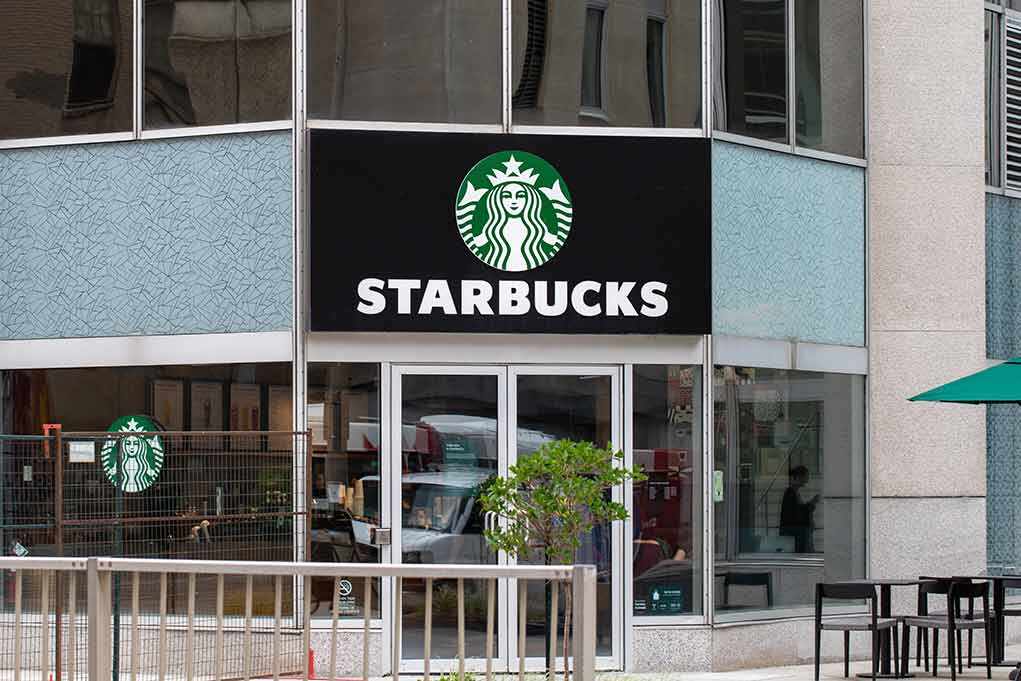
Starbucks will close about 250 North American stores this week to cut weak links and reset the brand’s performance.
At a Glance
- About 250 cafes will close, roughly 1% of Starbucks’ North American footprint.
- Targets are underperforming or cannot deliver the customer and worker experience Starbucks wants.
- Closures tie to the “Back to Starbucks” turnaround plan under CEO Brian Niccol.
- Starbucks plans transfers where possible and severance when not, per internal memo reports.
What Starbucks Decided And Why It Says It Matters
Starbucks told employees it will shut stores that either miss financial targets or fail to provide the experience the company expects for customers and workers. Chief Operating Officer Mike Grams put it plainly in a letter: some sites do not show a path to acceptable results or consistent service, so they are out. The company framed this as a portfolio cleanup, not a retreat, with the cuts amounting to about one percent of North American cafes.
Regulatory disclosures reported by major outlets put expected charges tied to leases and severance in the hundreds of millions, signaling a formal, planned move rather than a sudden panic. That accounting choice lines up with the turnaround playbook: take the hit now, lower ongoing costs, and redeploy capital to stronger sites. The company has made similar moves before, and it is continuing to open or renovate in markets where returns look better.
How The Closures Fit The Turnaround Strategy
Executives have pushed a “Back to Starbucks” plan that leans on speed, store layout fixes, and smoother digital orders. Closing poor fits is one lever in that package. Pull back from high-rent, low-traffic, or awkward layouts; double down on proven corners with steady footfall and strong mobile demand. Outlets noted this is the second wave in as many years, which supports the idea of a rolling review rather than a one-off cut.
Retail veterans will recognize the pattern. Big chains prune the bottom tail to lift averages. That math is simple: fewer slow stores, better unit economics. Starbucks says most impacted workers will get a chance to transfer, with severance as a backstop when they cannot move. That message aims to keep morale up in the rest of the fleet and maintain service levels as the network shifts.
What Customers And Communities Should Expect Next
Neighborhoods losing a cafe will see a fast timeline, with many closures happening this week. Some nearby stores will likely absorb demand. Expect longer lines for a bit, then a new normal once schedules and staffing adjust. Starbucks will steer investment to stronger sites, which often means updated equipment, better pickup flow, and more reliable mobile order timing. Those upgrades are how the chain plans to win back speed and consistency during busy hours.
Starbucks Closing Several B.C. Locations as Part of North American Overhaul
Starbucks is closing several B.C. locations as part of 250 store closures across North America.
Locations verified by Global News include:
• 125 Davie Street, Vancouver
• 891–885 Dunsmuir Street,… pic.twitter.com/EP9aZkkUr3— 604tv (@official604tv) September 26, 2026
Investors will watch whether traffic and ticket size improve at the remaining stores. The signal to the market is discipline: trim weak units, protect margins, and simplify operations. That aligns with conservative business sense. You cannot subsidize chronic underperformers forever and still reward shareholders, pay employees, and keep prices in check. Pruning now is meant to make the core healthier ahead of the holiday rush and next year’s promotions.
The Numbers That Anchor The Story
Coverage across outlets repeats the same figures and language from the internal memo and filings. About 250 closures equal around one percent of North America locations. Targets include stores that do not meet financial goals or cannot deliver the experience Starbucks wants. The company ties all of this to its turnaround plan, led by Chief Executive Officer Brian Niccol, and signals support for affected staff through transfers and severance where needed.
Sources:
apnews.com, cnn.com, investopedia.com
© targetliberty.org 2026. All rights reserved.