

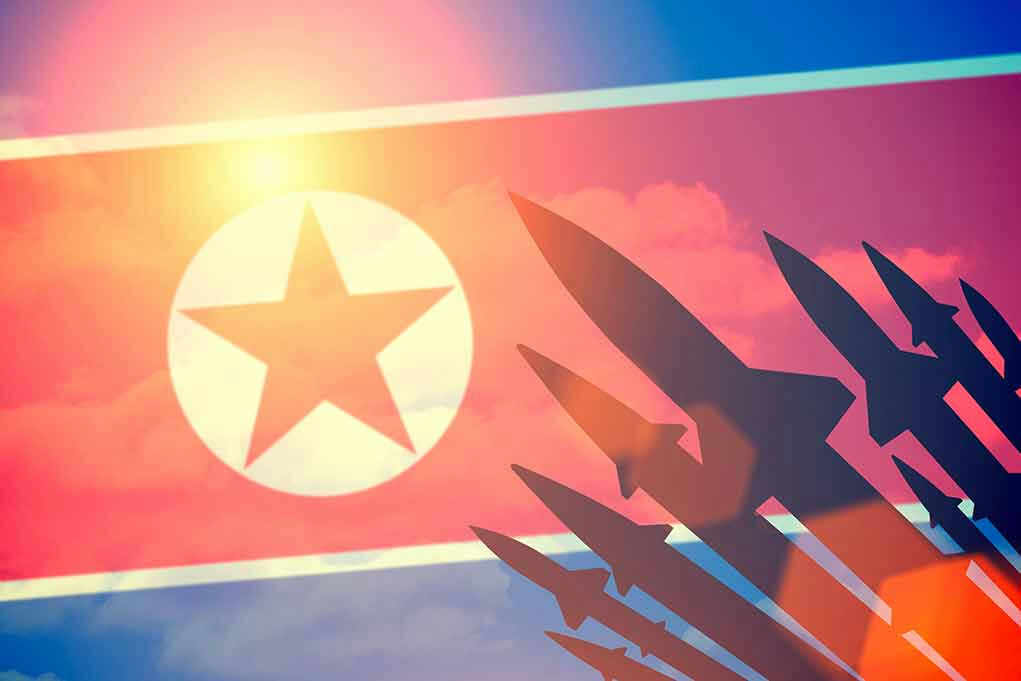
Kim Jong Un’s nuclear escalation threat emerges as a direct challenge to American strength and regional security, exposing the dangerous consequences of weak foreign policy precedents.
Story Snapshot
- North Korean dictator pledges to accelerate nuclear weapons program following U.S.-South Korea military exercises
- Kim Jong Un frames joint defense drills as provocative acts requiring nuclear countermeasures
- Escalation highlights growing threats to American allies and regional stability under current geopolitical tensions
- Nuclear expansion pledge demonstrates emboldened rogue state behavior challenging U.S. deterrence capabilities
Kim Jong Un’s Nuclear Escalation Response
North Korean leader Kim Jong Un announced plans to accelerate his country’s nuclear weapons development program following recent U.S.-South Korea joint military exercises. The dictator characterized the defensive training operations as provocative acts warranting an expanded nuclear response. This represents a concerning escalation in the hermit kingdom’s threats against American allies and interests in the Pacific region, demonstrating how rogue regimes exploit perceived weaknesses in American foreign policy.
Military Drills Trigger Regime Hostility
The joint military exercises between American and South Korean forces serve as routine defensive preparations designed to maintain regional stability and protect democratic allies. However, the North Korean regime consistently portrays these legitimate defense activities as aggressive provocations requiring nuclear countermeasures. This pattern reveals how authoritarian regimes manipulate defensive postures to justify their own military expansions and threaten neighboring democracies.
Regional Security Implications
Kim Jong Un’s nuclear pledge creates significant security challenges for American allies in the region, particularly South Korea and Japan. The escalation threatens to destabilize the delicate balance of power that has maintained relative peace in Northeast Asia. American military commitments and defense partnerships face renewed testing as the North Korean regime attempts to drive wedges between allied nations through intimidation tactics.
The nuclear expansion announcement comes amid broader geopolitical tensions involving China and Russia, whose support enables North Korean aggression. This interconnected web of authoritarian cooperation challenges American influence and threatens the rules-based international order that has protected democratic nations and free trade. Strong American leadership and unwavering support for allies becomes increasingly critical in countering these coordinated threats to regional stability.
Strategic Response Requirements
The North Korean nuclear threat demands robust American responses that demonstrate unwavering commitment to allied security while deterring further escalation. Effective strategies must include strengthened defense partnerships, enhanced missile defense systems, and clear consequences for nuclear proliferation activities. The situation underscores the importance of projecting American strength and resolve to prevent rogue regimes from exploiting perceived weaknesses or policy inconsistencies that encourage aggressive behavior.
Sources:
Kim Jong Un pledges to speed up nuclear build-up over US-South Korea drills
South Korea-US drills trigger Kim Jong-un to pledge nuclear force expansion
U.S., South Korea Nuclear Pledge Follows North Korean Weapons Advances