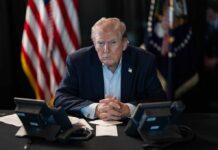

A cabinet official chose a campaign-style stop at the Iowa State Fair while critics said the fleet was hurting and wounded troops needed a visit—and the fallout tells you where our priorities look broken.
Story Snapshot
- The Pentagon said Pete Hegseth went to Iowa in his “personal capacity.”
- He appeared at Rep. Zach Nunn’s annual fundraiser branded for veterans support.
- His remarks leaned on culture-war themes, sparking fast backlash.
- Critics said he should focus on troops under strain, not politics.
What Happened In Iowa, And Why It Lit The Fuse
Pete Hegseth, the Defense Secretary, traveled to the Iowa State Fair and joined Republican Rep. Zach Nunn for “Operation Top Nunn: Salute to the Troops,” described as an annual campaign fundraiser tied to veterans support causes. Coverage labeled it a campaign-style appearance. The Pentagon said he went in his “personal capacity,” a key legal and public-relations line. That framing shields him from a Hatch Act fight, but it does not quiet the questions about judgment and focus.
Hegseth also used the stage to hit culture-war points, including a slur aimed at transgender troops. That remark drew swift condemnation and widened the lens on the trip. The outrage became a two-track story: the tone of his speech and the choice to speak there at all. The first is about respect for those who serve. The second is about whether a defense chief should stand at any partisan-branded event while the force faces real strain.
The Defense: Cleared By Lawyers, On Personal Time
Hegseth told the crowd lawyers cleared the visit and that he was there as a private citizen, a veteran, and a patriotic American. Pentagon spokespersons echoed that line, stressing the appearance was vetted and did not violate the Hatch Act. That matters for law and policy, but the standard for leadership runs higher than the bare legal floor. The country expects the person at the top of the Pentagon to avoid even the appearance of electioneering.
Department guidance gives limited room for personal attendance at political events when there is no sign of official endorsement. That is a narrow path, not a freeway. Once microphones, banners, and fundraising themes enter the scene, the “personal capacity” claim gets harder to square with the spirit of neutrality. The result is predictable: legal cover but public doubt about whether the office is being used to launder partisan messages.
The Criticism: Optics, Priorities, And The Bedside Test
Rep. Jason Crow, an Army veteran, blasted the Iowa jaunt while sailors on the USS Abraham Lincoln reportedly faced food and water shortages. He called it a “complete failure of leadership,” pointing to a mismatch between the leader’s travel and the rank-and-file’s needs. That attack stuck because it matched a basic gut check: when troops hurt, leaders show up where it matters most. The bedside test beats the stump speech every time in the American mind.
Local Democrats also framed the stop as a campaign party while service members faced threats overseas. Whether fair or partisan, that frame spread because the event looked political. Once the fundraiser label attached, defenders had to argue technicalities while critics argued values. The stronger ground usually belongs to the side talking about duty, focus, and care for those in harm’s way. That is a lesson many officials learn the hard way.
What The Facts Support—And What They Don’t
The record shows a political-leaning event, a Pentagon statement of “personal capacity,” and remarks that fed a culture fight. The record does not show that Hegseth skipped a scheduled hospital visit or blew off a formal duty that day. Critics lean on a fair value claim, not a missed-calendar claim. That difference matters. It means the core issue is judgment and stewardship, not a proven rules breach or dereliction of a set appointment.
Common sense and conservative values meet here. Leaders should back the troops first, in person, and keep politics far from the Pentagon’s seal. They can attend some events as private citizens, but they should ask a simple question: Would I be proud to defend this stop to a wounded sergeant’s family? If the answer is no, cancel the flight. The legal line is the floor. The moral line—earned by bedside visits, ship checks, and quiet fixes—is the ceiling.
Sources:
mediaite.com, msn.com, newsbreak.com, yahoo.com, briev.ai
© targetliberty.org 2026. All rights reserved.