
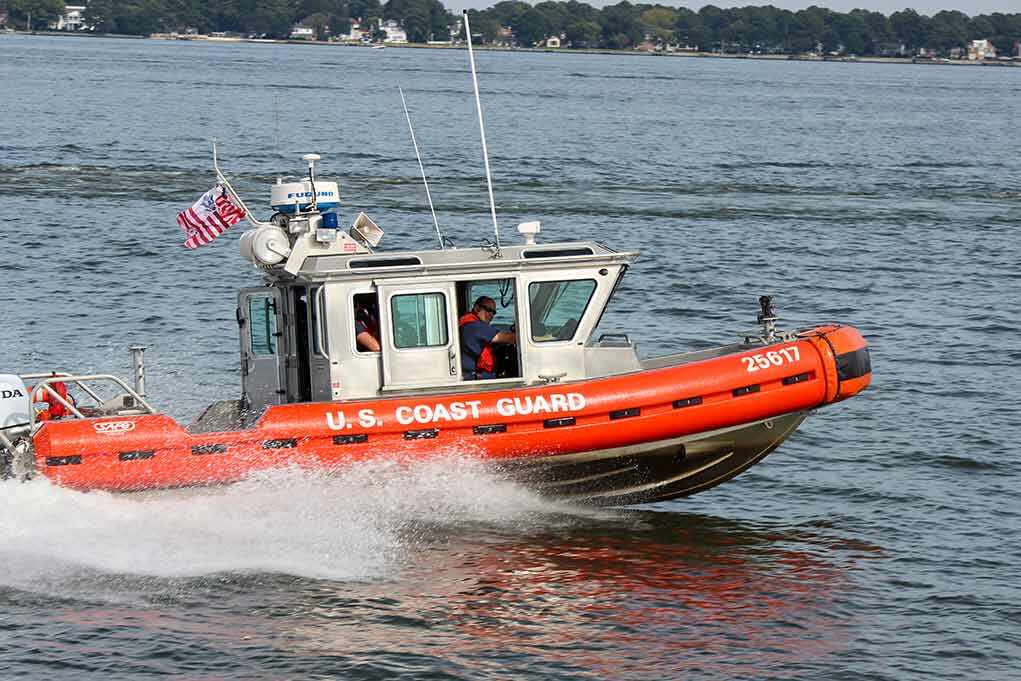
Seven thousand two hundred fifty pounds of cocaine never reached American streets because a Coast Guard crew caught a smuggling boat 50 miles off Puerto Rico.
Story Snapshot
- The Coast Guard seized about 7,250 pounds of cocaine worth about $54.5 million.
- Cutter Richard Dixon made the stop on Aug. 22 with air support from Customs and Border Protection.
- Five people were detained; the vessel was destroyed as a hazard, officials said.
- The bust follows a steady pattern of large seizures in Puerto Rico’s waters.
What The Coast Guard Stopped And How They Did It
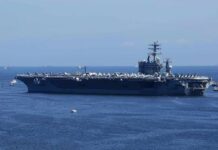
U.S. Coast Guard Cutter Richard Dixon intercepted a suspected smuggling boat about 50 miles off Puerto Rico on Saturday, Aug. 22. Air and Marine Operations from Customs and Border Protection helped track the target. Boarding teams found more than 7,000 pounds of cocaine and detained five people on board. Officials valued the drugs at about $54.5 million. The Coast Guard destroyed the vessel afterward, saying it posed a navigation hazard. The interdiction removed a major shipment from a known trafficking lane.
The location and timing fit a common smuggling playbook. Go-fast boats run north from source countries, then swing near Puerto Rico to break loads for follow-on moves. Quick cutters with tight crews wait along those arcs. Fixed-wing eyes in the sky cue them in. That mix of speed, sensors, and coordination is designed to catch boats before they scatter bales or sprint to shore. Richard Dixon’s crew executed that script and ended a high-dollar run before sunrise talk-radio finished the news block.
Why Puerto Rico’s Waters See So Many Big Busts
Puerto Rico anchors the northeast corner of the Caribbean drug route. Traffickers rely on its proximity to the mainland and U.S. road networks that begin with a domestic flight. Federal teams have adapted. Coast Guard, Customs and Border Protection, and the Homeland Security Task Force in San Juan run joint patrols, share radar tracks, and move fast on sensor hits. Recent cases show the pattern holds: partners seized over a ton of cocaine north of Puerto Rico and offloaded it in San Juan for follow-on action.
The record is long, not episodic. Crews have offloaded hundreds to thousands of pounds after go-fast chases near Arecibo and Loiza, often naming cutters, weights, and transfers to the Drug Enforcement Administration. One case reported 2,513 pounds offloaded by the cutter Joseph Tezanos after a 30-foot go-fast interdiction north of Loiza. Another operation seized 2,083 pounds north of Puerto Rico and transferred the load for prosecution steps. These are not one-offs, but a drumbeat of actions that reinforce each other.
What Happens After The Seizure
Seizure day is only the start. The Coast Guard moves cocaine bales to secure holds, then to Coast Guard Base San Juan. Agents from the Drug Enforcement Administration receive custody. Federal prosecutors decide charges based on interviews, evidence, and the route. Past Puerto Rico cases show a clear pipeline: cutters transfer bales and suspects, agents book them, and indictments follow when ready. Each link matters because chain of custody and clean handoffs keep cases strong in court.
Coast Guard seizes 7K pounds of cocaine worth more than $54 million near Puerto Rico, five arrested https://t.co/3ztjPX4Lf6 #FoxNews
— Liz V (@ShoreEJV) August 27, 2026
American conservative values favor order, strong borders, and real consequences for crime. This case speaks to those values. When the Coast Guard stops tons of cocaine at sea, it protects families before drugs hit a U.S. pier. That saves police time, court time, and community pain. It also signals that cartels do not own the lanes. A nation that controls its maritime approaches projects strength, and strength at the border deters predators who test the gaps.
The Bigger Picture: Pressure And Persistence
The larger trend backs the sense of momentum. Government Accountability Office analysts reported that Coast Guard hours spent on drug interdiction in Puerto Rico and the U.S. Virgin Islands more than tripled from 2009 to 2013. That surge aimed to meet the threat where it grew. The Coast Guard and partners have since kept pressure on the same corridors and continue to stack seizures. The Aug. 22 stop looks like one more well-placed punch in a sustained fight.
The public sees dollar values and dramatic photos, but the quiet wins matter most. A ton here, another there, plus steady small hauls, force traffickers to reroute, pay more, and risk longer runs. Each interdiction raises the cartels’ costs and cuts their margin. That is how strategy looks at sea: grind the lanes, sharpen the sensors, and put fast hulls in the right water at the right hour. This bust shows that formula working again.
Sources:
facebook.com, foxnews.com, news.uscg.mil, content.govdelivery.com, southcom.mil
© targetliberty.org 2026. All rights reserved.