

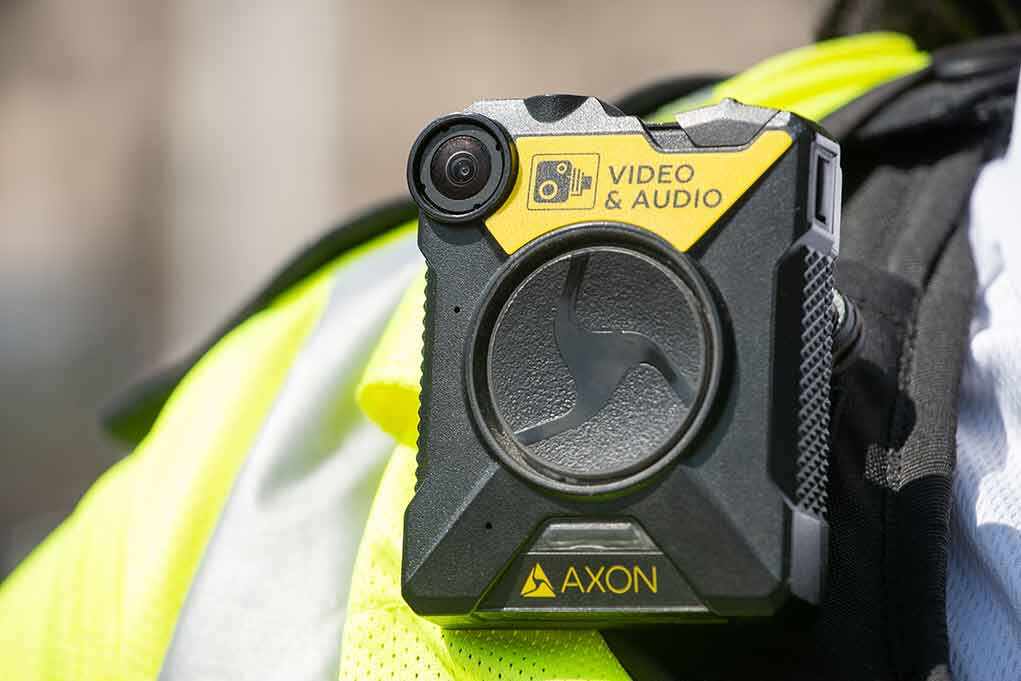
Two Knoxville police officers reached a one-month-old in distress and had the baby breathing within seconds, and the body-camera video shows how fast training meets fate.
Story Snapshot
- Officers Clayton McWilliams and Veronica Jackson responded to a 9-1-1 call about an unresponsive infant around 6:30 p.m. Wednesday.
- Body-camera video shows the officers racing in, clearing the baby’s airway, and the baby breathing again moments later.
- Local reporting clocks 25 seconds from handoff to the first cry, underscoring speed and procedure.
- Multiple outlets echo the same names, timeline, and successful rescue sequence.
Officers Arrive To A One-Month-Old Not Breathing
The Knoxville Police Department said that around 6:30 p.m. on a Wednesday, officers received a 9-1-1 call about a one-month-old who was unresponsive and not breathing. Officers Clayton McWilliams and Veronica Jackson were dispatched and reached the scene fast. The department’s post describes the handoff, the quick move to clear the infant’s airway, and a return to normal breathing within seconds of arrival. That is the core sequence. In infant calls, every second matters. The video confirms the swift, hands-on steps.
Body-camera video released by the department shows the approach, the handoff to McWilliams, and the methodical airway check. The sounds in the clip align with the actions: urgent voices, careful directions, and then a baby’s cry. That cry is the moment everyone waits for on a pediatric call. Local coverage tallied the elapsed time at about 25 seconds from handoff to the first cry, a detail that gives weight to what viewers can already see and hear on the footage.
What Police Training Looks Like Under Pressure
Pediatric airway rescue demands calm steps done in the right order. Officers are trained to align the airway, watch chest rise, and clear any obstruction. They use gentle, repeatable motions so they do not harm a tiny body. The video and department account point to those simple, proven basics, done fast and without drama. That is what families need when panic sets in. The job is not magic. It is practice meeting pressure, with a baby’s life as the clock.
Multiple outlets reported the same facts: the time of the call, the names of the officers, the airway focus, and the rapid return of breathing. That cross-echo matters because it cuts through rumor and pins the story to named people and a specific scene. One report mis-stated Officer Jackson’s first name, but the department’s original posts and video identify her correctly as Veronica Jackson. On details like names, defer to the primary record. Precision is respect.
Why Seconds And Steps Decide Infant Outcomes
Infants breathe fast, have small airways, and can decompensate quickly. A blocked or poorly aligned airway can turn dire in under a minute. That is why first responders learn a pediatric rhythm that is simple enough to run under stress. Pick up. Position. Clear. Listen. Repeat if needed. The Knoxville case shows that rhythm in action, ending with breath sounds and a strong cry. The cry tells you the airway is open and the lungs are moving air. It is the best sound in the world on a call like this.
Police departments share moments like this for a reason. Good outcomes build trust and show what training is for. The Knoxville Police Department’s post explains the timeline and credits the officers’ speed and composure. Viewers watch the footage and see the craft. American conservative values prize courage, duty, and service to family. This rescue hits all three. A baby at risk, a home in fear, and two public servants who run toward the problem and solve it. That is the kind of policing most people expect and admire.
A Clear, Documented Rescue With A Simple Lesson
The straight facts stand on their own. A 9-1-1 call for an unresponsive one-month-old. Two named officers. A quick, focused airway check. A baby breathing within seconds. The department posted the account and body-camera video, and local and national outlets amplified the same through-line. The clip’s tight sequence and the 25-second timing detail give the public a concrete marker for what “fast” looks like on a pediatric call. Speed is not a slogan here; it is a stopwatch and a cry.
Parents can draw a practical lesson. Learn infant airway basics and safe back blows. Keep your phone close and your address visible. When fear floods your thinking, habits carry you. Officers McWilliams and Jackson showed the habit of calm. Knoxville’s message is simple: train for the worst, so the worst never wins. The video is brief, but the takeaway is big. A practiced hand can turn a bad minute into a better life, and sometimes, in under half a minute.
Sources:
youtube.com, facebook.com, telemundobowlinggreen.com
© targetliberty.org 2026. All rights reserved.