
A twice-deported Honduran national on a United flight allegedly claimed he had a bomb and tried to reach the cockpit before deputies arrested him after landing.
Story Snapshot
- United Flight 2174 sent a hijack alert after a passenger said he had a bomb.
- Jefferson Parish deputies arrested the suspect after landing in New Orleans.
- Officials booked him on felony counts tied to false threats and terrorizing.
- Reports say the suspect had been deported from the United States twice.
What happened on United Flight 2174
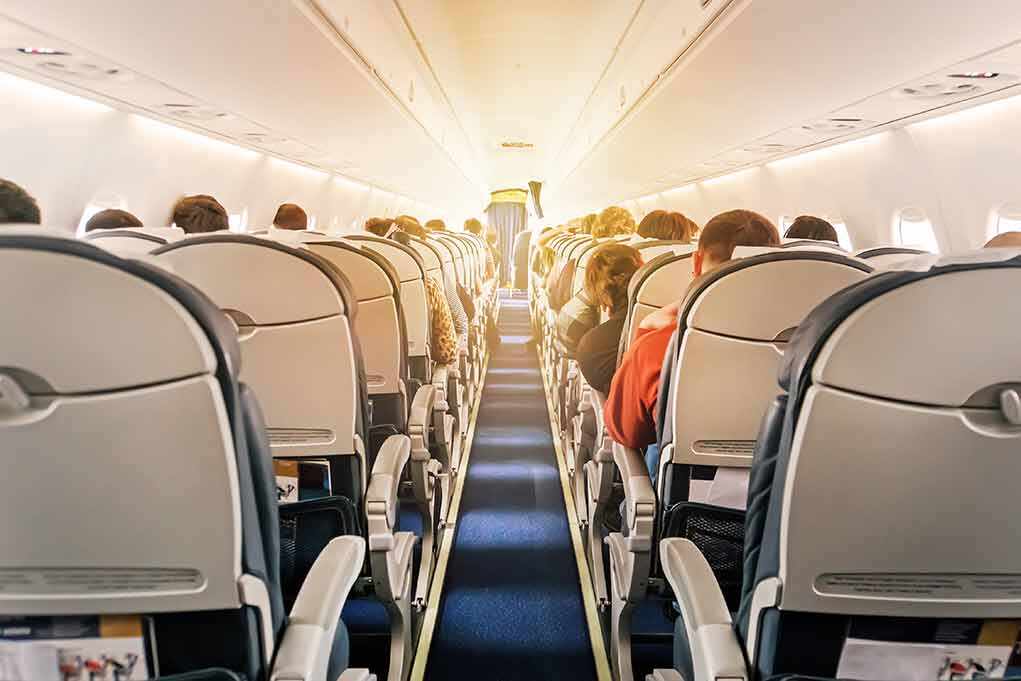
United Flight 2174 from Newark to New Orleans reported a serious midair disturbance on Monday night. Multiple outlets said a passenger claimed he had a bomb and tried to get to the cockpit, which prompted the pilots to send a hijack alert. The flight carried 46 passengers and six crew members. Flight attendants reported the man’s claims around 11:20 p.m., according to local officials. The plane continued to New Orleans and landed safely without further incident.
Deputies from the Jefferson Parish Sheriff’s Office met the aircraft at the gate. They detained the man and took him into custody without injury to crew or passengers. Officials identified the suspect as 34-year-old Rony Alexander Gomez-Alberto. He was booked on charges that include communicating false information of planned arson and terrorizing, which are serious felonies under Louisiana law. United Airlines deferred to law enforcement on details and emphasized standard safety procedures.
How authorities describe the threat and response
The Jefferson Parish Sheriff’s Office said the suspect told flight crew he had a bomb. The crew alerted the pilots, who signaled the emergency code and prepared for a possible cockpit breach. Law enforcement in New Orleans treated the threat as real until they completed checks. That is standard protocol in aviation. Officials said the man was arrested at the airport and that no device was found. He now faces prosecution based on the reported threat and disruption.
Federal officials and media reports said the suspect had been removed from the United States twice before and had recent immigration encounters. Those details increase public concern about how repeat border violators move through the system. The core facts of the flight event remain unchanged: a threat was made, the cockpit was targeted, the plane landed safely, and the suspect was jailed. Prosecutors will present the case in court, and the charges speak to the gravity of the alleged behavior.
Why bomb claims on planes trigger maximum response
Aviation security treats low-frequency, high-impact threats as real because the downside of a miss is catastrophic. Airlines and pilots follow set steps when a passenger claims to have a bomb or rushes the flight deck. Those steps include alert codes, securing the cockpit, and law enforcement on arrival. Most threats prove false, but the system cannot gamble on odds when lives are at stake. Reuters has reported that the vast majority of bomb threats turn out to be hoaxes, yet each must be checked.
This case also fits a broader rise in unruly-passenger episodes. The Federal Aviation Administration (FAA) counted 2,102 unruly-passenger incidents in 2024. The Transportation Security Administration has tracked more than 150 Level 3 threats and over 40 Level 4 threats in the last decade. Those high-level events include attempts to breach the cockpit and terroristic threats. Industry groups continue to push for stronger flight deck barriers and faster consequences for violent behavior.
Accountability, deterrence, and common-sense fixes
Law enforcement’s quick action and the airline’s calm procedures protected everyone on board. That outcome reflects what works: hardened cockpits, trained crews, and clear rules. Strong charges also matter. Felony counts tell every would-be copycat that bomb talk on a plane is not a prank. It is a crime. Conservative common sense says deterrence needs teeth. Courts should move fast, impose real penalties, and set a bright line for threats that aim to sow fear in the air.
Published reports about prior deportations raise a second public-safety issue. When a person who was removed twice can still board a domestic flight and trigger a hijack alert, the system needs repair. Border enforcement, identity checks, and cooperation between agencies must be tight, not loose. That does not mean blaming flight crews or local cops; they did their jobs. It means closing gaps that let repeat offenders reenter and roam until a crisis forces action.
What to watch next
Local prosecutors will file formal charges and outline the case timeline. Federal agents may add counts if they find interstate threats or other violations. The airline and airport will review the event for training updates. Expect fresh calls to speed up secondary cockpit barriers and to standardize how crews restrain a passenger who threatens the flight deck. Policy makers will likely press for firmer immigration follow-through to prevent repeat reentry by known violators.
Passengers should take one lesson: crews need your eyes and your patience. Report strange behavior early. Follow instructions fast. The system is designed to land the plane, sort facts on the ground, and punish hoaxes hard. That is how freedom to fly stays safe for everyone—by meeting every threat with discipline, speed, and consequences that stick.
Sources:
people.com, en.royanews.tv, firstpost.com, timesnownews.com, kpel965.com
© targetliberty.org 2026. All rights reserved.