One stray quote from an alleged Muslim Brotherhood figure turned a routine victory speech into a referendum on what Muslim participation in American politics should mean.
Story Snapshot
- Abdul El-Sayed won Michigan’s Senate race, becoming the first Muslim U.S. senator.
- The race was a hard-fought swing-state contest with a clear margin when called.
- A partisan site highlighted a claim that a Muslim Brotherhood leader called the win a “model”.
- El-Sayed publicly disavowed the Muslim Brotherhood and denied any ties.
A First-In-History Win In A Swing State
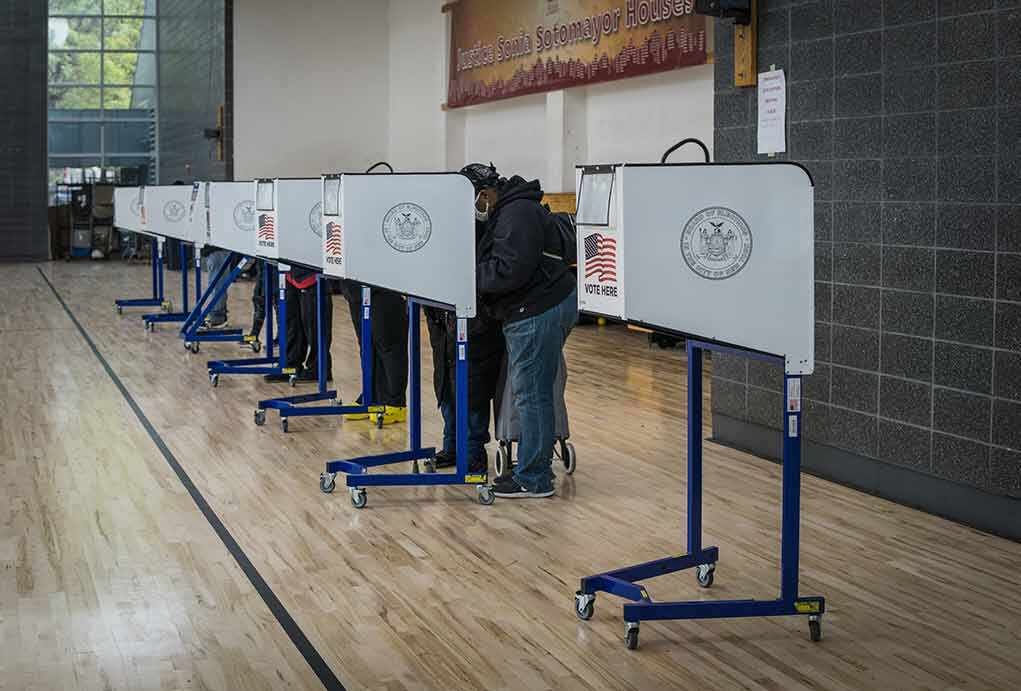
The Associated Press declared Abdul El-Sayed the winner of Michigan’s Senate race, making him the first Muslim elected to the chamber. Bridge Michigan called the contest fiercely competitive and reported a near six-point advantage when the race was called with most ballots counted. The outcome capped months of attack and counter-attack over ideology and identity. The win mattered beyond headlines because it happened in a state both parties target. That alone makes it a case study for future campaigns.
National outlets framed the result as a breakthrough for the Democratic Party’s left wing and for Muslim representation. Supporters cited grassroots organizing and a clear message on kitchen-table issues. Rivals pointed to national mood and party turnout machines. Both views can be true at once. Swing states rarely flip on one factor. Voters weighed inflation, safety, and health costs against partisan brand, candidate style, and trust. El-Sayed did enough of the small things right to bank a big thing: the seat.
The “Model From Within” Claim And What We Actually Know
Twitchy amplified a post that credited Abdel Mawgoud al-Dardiri, described as a top Muslim Brotherhood figure, with calling El-Sayed’s win a model for working from inside the political system on behalf of the “Islamic world”. The source chain stops at that partisan post and an embedded activist account. No primary document, verified interview, or official group release appears in the record provided. That makes the quote notable as chatter, but not proof of planning, funding, or coordination.
Side claims often try to ride the slipstream of a major win. A big first draws loud friends and louder critics. Conservative readers should ask simple questions: Who said it? Where is the original text? When was it posted? What authority did the speaker hold? The available materials do not answer those questions with primary evidence. That does not make the quote impossible. It makes it unverified. Common sense says do not build a case on a screenshot chain when the stakes are this high.
El-Sayed’s On-The-Record Response: Disavowal, No Ties, Constitution First
El-Sayed answered the Muslim Brotherhood question in public and on camera. He said, “Sure. Yeah, absolutely,” when asked if he would disavow the group, then pressed the questioner on why the question was asked in the first place. He has called assumptions about him or his family having ties “insane,” denied any connection, and said he would swear an oath to the Constitution like every senator. These are clear, on-the-record statements. They carry more weight than second-hand social posts.
Fact checks and reporting added context about past statements on Egypt and democracy but did not establish membership or coordination with the Muslim Brotherhood. Bridge Michigan summarized that it found no evidence of explicit ties in its review and fact-checking coverage. Critics argue that “disavow” is softer than “denounce,” and say he should go further. Voters can judge the tone they prefer. The documented record shows disavowal and no evidence of operational links.
What This Election Actually Teaches About “Working Within The System”
American Muslims have increased their direct participation in elections by running, organizing, and voting. Research shows hundreds held office by 2026, a trend that tracks with more candidates stepping forward and more districts hearing them out. That is not subversion. That is civics. Islamist movements overseas have often tried ballots when allowed, but their strategies vary by country and pressure. That history does not prove any hidden hand here. Elections are local, votes are counted, and filings are public.
The practical lesson from Michigan is simpler than the noise: campaigns that meet voters where they live can win, even under fire. A movement abroad can claim symbolic credit for a headline. That does not make it causal. Responsible leaders separate documented facts from applause lines or scare lines. The conservative instinct to verify before accepting grand claims is right. So is the American norm that every citizen gets to run, argue, and be judged by their platform and conduct, not by rumor.
Sources:
twitchy.com, apnews.com, bridgemi.com, cnn.com, washingtonexaminer.com, vanityfair.com, politifact.com, csrr.rutgers.edu
© targetliberty.org 2026. All rights reserved.