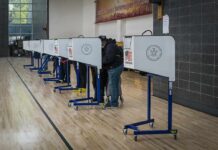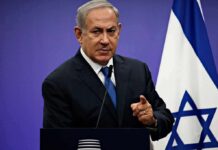

On the eve of voting, the Justice Department charged 63 people in 15 states with election-related crimes—and said more cases are coming.
Story Snapshot
- Justice Department detailed charges for illegal voting and false registration across multiple states.
- Officials said 195 noncitizens were charged in nine weeks prior to the announcement.
- Court fights over a 20,000-name California list raised reliability questions.
- Critics challenged the timing and scale; prosecutors stressed confidence and law enforcement.
What DOJ Announced And Why It Matters
The Department of Justice said 63 individuals face charges tied to illegal voting, fraudulent registration, and false claims of citizenship. The release named offense categories and states, moving beyond vague rhetoric to specific criminal counts. The department also said that, in the prior nine weeks, 195 noncitizens were charged across 25 states for similar offenses. Attorney General Todd Blanche framed the push as a pledge to enforce federal election laws and to restore public confidence in how ballots are cast and counted.
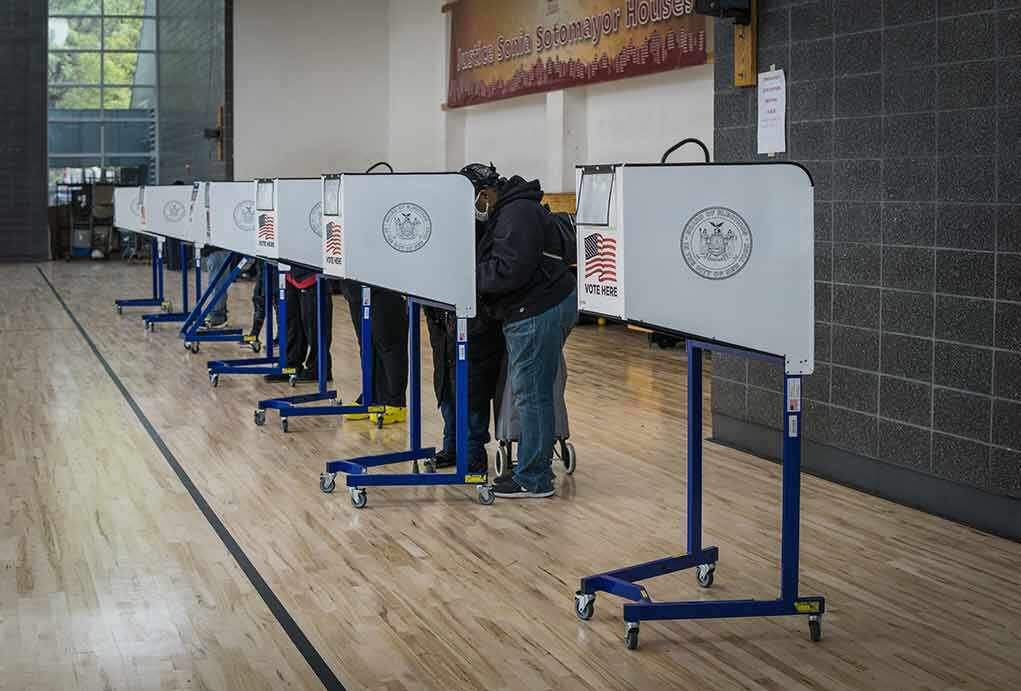
The announcement arrived less than 24 hours before polls opened. That timing drew sharp attention and set the terms for the day’s political talk. Prosecutors often time cases to investigation milestones, not news cycles. Yet the calendar effect is real. A burst of criminal filings right before voting invites claims of political messaging. The department answered that challenge by listing concrete statutes and conduct rather than slogans, which aligns with a rule-of-law approach that values facts over spin.
What The Cases Include—and What They Do Not
The department’s summary cites offenses such as noncitizen voting in federal elections, false claims of United States citizenship, and fraudulent registrations submitted in other states. One case, reported in Utah, involves an alleged illegal ballot cast in the 2024 general election, which means records and voting data can be tested in court. These details matter. Specific charges tied to actual elections give judges and juries a clear record to weigh, rather than a fog of claims that never meet evidence rules.
The announcement does not say these offenses changed outcomes. It does not quantify the total number of ballots at issue or compare those ballots to margins of victory. That gap fuels a standard debate: prosecute every violation versus prove system-wide failure. Research and several newsrooms say noncitizen voting is rare and has not been shown to swing major races. Critics also stress that a charge is not a conviction. Those points temper claims about scale but do not dispute the government’s power to charge crimes when evidence supports them.
The California List Fight And Its Shadow Over The Rollout
Separate from the criminal filings, the department pushed California officials over a list of about 20,000 suspected noncitizens. A federal judge ordered the government to share the list with advocacy groups, and courts blocked demands to isolate related ballots. The Ninth Circuit declined the bid in a two-to-one decision, and the department pursued Supreme Court relief. Local election offices and media analyses questioned the list’s accuracy, citing large mismatches and even confirmed citizens on it.
NOVEMBER 3, 2026 — USA POLITICS WATCH ALERT
NONCITIZEN VOTING CASES ARE NO LONGER A HYPOTHETICAL DEBATE
SUMMARY
On the eve of the 2026 midterm election, the Justice Department announced election-related charges involving 63 individuals across the country, including multiple…— USA Politics Watch (@USPolitWatch) November 3, 2026
These rulings and reviews do not reach the merits of the 63 criminal cases. But they color public perception. When a list appears error-prone and courts push back, people may assume all enforcement is shaky. That is the messaging risk. The stronger path is case-level proof: indictments, affidavits, and, where it happens, guilty pleas. Publishing a clean, searchable docket summary for each case would help voters and reporters separate solid prosecutions from data disputes.
The Conservative Lens: Fair Elections Require Real Enforcement
Lawful votes must never be canceled by illegal ones. That simple standard reflects equal treatment under the law and respect for citizenship. The department’s move to charge specific crimes follows that standard. Proving a handful of cases does not mean elections are broken. It does mean rules are real and that cheating carries a cost. That approach supports confidence. It also rejects the lazy choice to ignore small violations because they are “not enough” to flip an election. Tolerating small crimes invites bigger ones.
Two truths can live together. Noncitizen voting appears rare in national data, and every illegal ballot still matters. The right policy asks for both facts. Prosecutors should post the underlying records for these 63 defendants and report outcomes as cases resolve. Journalists and citizens should compare any proven illegal ballots to election margins before drawing broad claims. Courts should keep blocking sloppy lists while allowing solid cases to proceed. That is how confidence is built: one verified fact at a time.
Sources:
redstate.com, newsweek.com, justice.gov, washingtonexaminer.com, sltrib.com, thecoastnews.com, pbs.org
© targetliberty.org 2026. All rights reserved.