Seven people tied to the Federal Bureau of Investigation warned that agents fear election-day orders to seize ballots and show up at polling places.
Story Snapshot
- FBI insiders voiced concern about being told to seize voting machines or ballots.
- FBI Director Kash Patel said agents will follow the law and work from field offices, but did not rule out going to polls for crimes.
- State and federal rules tightly limit law enforcement presence at voting sites.
- A prior warrant-based seizure of 2020 ballots feeds today’s anxiety.
What Agents Fear And Why It Matters
Seven people with knowledge of internal talks said some Federal Bureau of Investigation personnel worry they could be ordered to seize voting equipment or ballots based on thin claims of fraud. One former supervisory agent said he feared “questionable probable cause” would be used to justify raids. The report landed days before voting, which raises the stakes for both voters and officials. Claims about federal agents at the polls can chill turnout, even if no agent ever appears.
This concern did not appear out of thin air. Election officials watched the Federal Bureau of Investigation remove 2020 election materials with a warrant in Fulton County, Georgia, and capture ballot images in Arizona. Those actions were post-election and warrant-driven, but they left a mark. People now ask if a preemptive move could happen during voting or counting. Legal scholars say there is no court precedent for seizing ballots before counting and certification end.
What The Law Actually Allows On Election Day
Election law draws a hard line between monitoring and enforcement. The Department of Justice sends civil-rights monitors to watch for access problems, not to run the election. Guidance says they take notes, avoid blocking voters, and follow state rules on where they can stand. States often limit law enforcement near polls to prevent intimidation. That framework exists to protect both the ballot and public trust at the same time.
Kash Patel, the Federal Bureau of Investigation director, tried to thread the needle. He said agents and intelligence analysts will “house” in field offices for election security. He added the Bureau would go to a polling place only if there is a violation of law. He declined a blanket promise that agents will never go inside a polling place. That stance keeps options for arrests or active threats, but it leaves room for critics to worry about mission creep.
The Clash Between Fears And Stated Policy
The fears inside the Bureau reflect a simple risk: normal tools could be used in abnormal ways. A warrant can be lawful and still be a bad call if the facts are weak. That is why probable cause matters. American conservative values favor clear rules, local control of elections, and restraint by federal power. Any election-day show of force that lacks compelling facts would cut against those values and could look like intimidation to voters.
At the same time, the government must stop real crimes. Patel said the Bureau will follow the law, and Homeland Security leaders have said officers could respond to a credible threat or serve a warrant on a specific person. That framing is narrow and focused on people, not ballots. The public should expect this standard: act on specific threats or crimes, not on broad theories. Anything wider invites legal fights and damages faith in the count.
Where Guardrails Hold—And Where They Could Fail
The strongest guardrails sit in state law, court oversight, and the separation of powers. Many states bar armed officers inside polling places and require federal observers to get local approval. Judges can quash a fishing expedition. The Department of Justice’s long practice keeps monitors in observe-only roles. These checks help prevent a scene where agents interrupt voting, or cart off machines while polls are open. They also give election workers clear steps to push back.
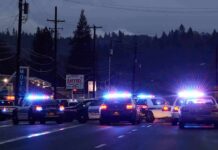
A polling place in @JeffParishGov forced to close for a couple hours when an election staffer finds a suspicious stain on a piece of mail. The FBI was brought in out of an abundance of caution, and investigators say the envelope is not a threat, but it is being tested in a lab. pic.twitter.com/KkIcpWkVVb
— Pari Apostolakos (@PariApostolakos) October 28, 2026
Still, open language from top officials leaves a crack for confusion. Voters do not parse legal caveats. They see a badge and a gun. Fear spreads fast and can depress turnout. The path forward is simple and strong. First, communicate rules clearly before Election Day. Second, confine any federal action to targeted criminal matters with documented threats and court warrants. Third, let states run their elections without federal theater. That is common sense, and it protects both security and trust.
Sources:
ms.now, inquirer.com, theatlantic.com, m.dailyadvent.com
© targetliberty.org 2026. All rights reserved.