
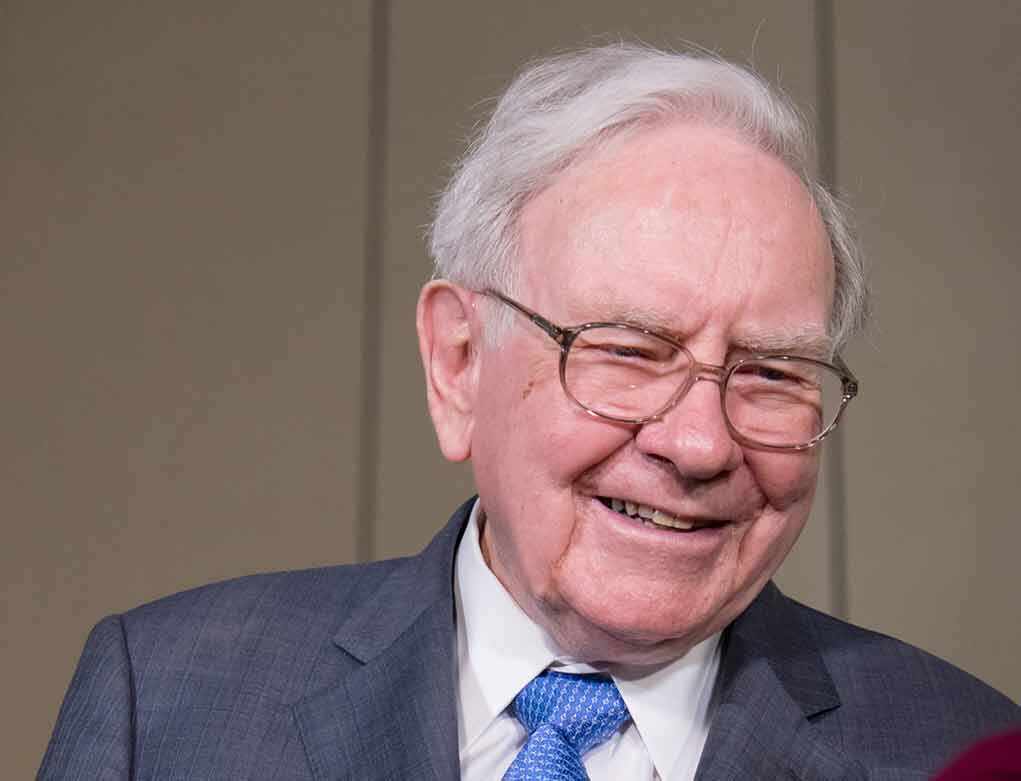
Warren Buffett just ended a 56-year run as Berkshire Hathaway’s chairman and handed the gavel to his son, Howard, while staying on the board as chairman emeritus.
At a Glance
- Berkshire said Buffett is now chairman emeritus and remains a director.
- Howard G. Buffett, a director since 1993, becomes chairman.
- Greg Abel continues to run Berkshire’s operations as chief executive officer.
- The move follows a long signaled succession plan at the conglomerate.
Berkshire’s Formal Handoff, Decades in the Making
Berkshire Hathaway announced Warren E. Buffett will become chairman emeritus, effective immediately, and remain on the board. The company’s board elected Howard G. Buffett as chairman, citing its long-standing succession plan. This keeps the operating reins with chief executive officer Greg Abel, who already oversees Berkshire’s businesses day to day. The structure lowers shock to investors. It honors continuity, yet marks the end of Buffett’s direct command of the boardroom agenda.
Markets crave predictability, and Berkshire delivered it. The company did not pitch a revolution. It framed a planned transition. Founder-led enterprises often use emeritus roles to preserve wisdom while clarifying authority. This choice splits symbolism from control. Abel runs operations. Howard chairs the board. Buffett offers counsel from a director’s seat. Investors who value discipline and order can see the chain of command and the guardrails around it.
What Howard’s Chair Means, And What It Doesn’t
Howard G. Buffett has served on Berkshire’s board for more than three decades. That tenure matters. Directors who know the culture can protect it. As chair, Howard will manage the board’s work, set agendas with management, and steward Berkshire’s governance rhythm. He will not call the plays inside subsidiaries or pick stocks for the portfolio. Those jobs sit with management. Berkshire said as much by underscoring Abel’s operating role and Buffett’s emeritus status.
Some will label this “nepo leadership.” That charge misses the record. Berkshire telegraphed this plan for years and chose a chair with deep board experience. The facts align with common sense corporate practice: keep the operator operating, keep the board independent and steady, and use a seasoned chair to guard the company’s ethos. That design fits a conservative view of governance. It respects duty, tradition, and results over headlines.
Why Buffett Stays On The Board
Buffett staying as a director sends a clear message. The compass remains in the room, but not on the helm. Shareholders still gain his judgment while leadership practices clean lines of authority. The title “emeritus” signals respect, not control. Many iconic firms take this route to avoid whiplash for owners and partners. Berkshire’s own release emphasizes recognition of “extraordinary contributions” while confirming the new order of work between the board and management.
Warren Buffett stepping down as Berkshire chairman sounds like his son Howard is taking over Buffett’s job.
He isn’t.
Berkshire has now formalized a 3-part succession:
• Greg Abel: CEO, runs the company and holds the capital-allocation role
• Howard Buffett: chairman,…— Alpha🐺 (@Market_Alpha_) September 18, 2026
This structure also defends Berkshire’s brand. The company sells durability. Customers, creditors, and employees count on calm. An abrupt exit by a legend can spook them. A staged handoff with defined roles calms them. Berkshire’s approach keeps faith with long-term owners who value cash prudence, decentralized operations, and quiet compounding. It reflects a belief that stewardship is not about celebrity. It is about systems that outlast any one person.
What To Watch Next
Board cadence under Howard will deserve attention. Expect steady agendas, a focus on risk, and space for Abel to run the playbook. Capital allocation remains the drumbeat. Berkshire’s default uses cash discipline, opportunistic buybacks, and patience. None of that needs a spectacle. It needs judgment. If that standard holds, the transition should be boring in the best sense: quiet, predictable, and compounding. Berkshire wanted continuity. On paper, it achieved exactly that.
Sources:
© targetliberty.org 2026. All rights reserved.