

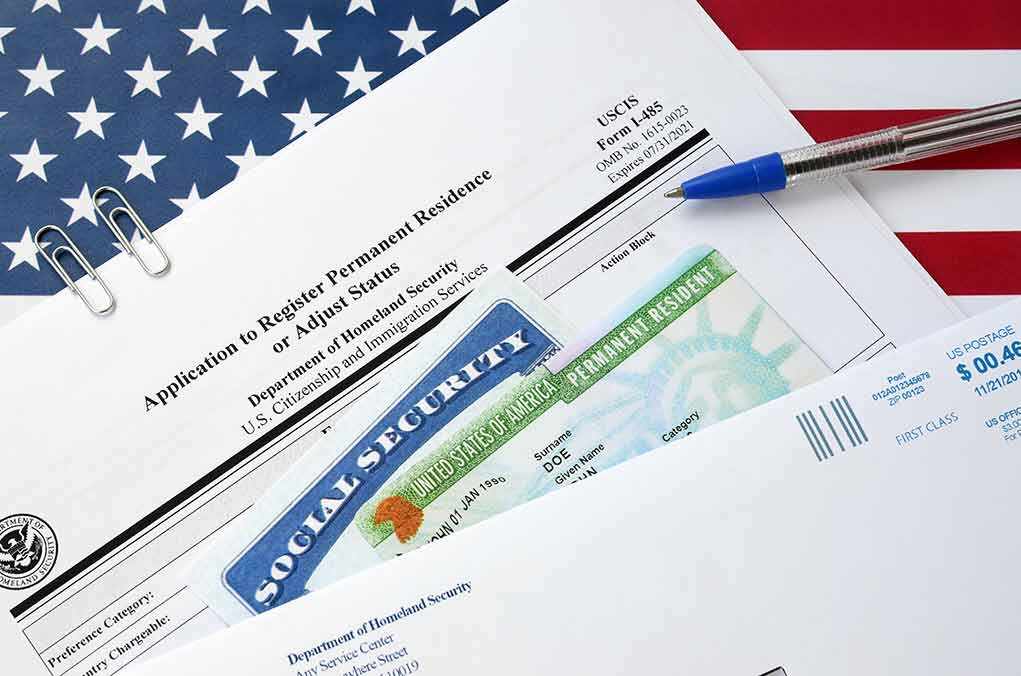
A Boston federal judge hit pause on the government’s plan to end protections for about 1,100 Somalis, forcing the fight over Temporary Protected Status into overtime before the clock ran out.
Story Snapshot
- A federal judge delayed the end of Temporary Protected Status for Somali nationals set for March 17.
- The order keeps work permits and protection from removal in place while the court reviews the record.
- The Department of Homeland Security says it followed the law and will defend its decision in court.
- The Supreme Court recently signaled limits on courts second-guessing these calls, shifting battles to procedure.
Judge’s Order Freezes Looming TPS End Date
U.S. District Judge Allison Burroughs in Boston entered an administrative hold on the effective date of the Department of Homeland Security’s move to terminate Temporary Protected Status for Somali nationals, which was due to take effect March 17. Her order keeps the status quo while she reviews whether the agency’s process met legal standards. Reuters reported the class includes nearly 1,100 people who rely on the program for the right to live and work lawfully in the United States.
The suit argues the Department of Homeland Security rushed or mishandled key steps tied to country conditions and notice timelines. Plaintiffs say Somalia remains unstable and that cutting off status on a tight clock would upend families and employers with little warning. The judge’s short order did not rule on the final merits. It only paused the deadline to avoid chaos while the court inspects the agency’s record and the parties brief their positions.
DHS Says It Followed the Law, Cites National Control
The Department of Homeland Security defends the decision by pointing to its statutory duty to reassess “temporary” designations and to act when conditions change. The agency’s likely argument tracks recent wins at the Supreme Court, which said federal courts should not second-guess core judgments to end designations, narrowing the lanes for lawsuits to procedural and timing issues rather than policy disagreements. From a rule-of-law lens, that position aligns with a basic conservative view: elected branches set immigration policy, courts police process.
The government’s court filings are expected to stress that the Department of Homeland Security gathered evidence, followed notice rules, and set a reasonable wind-down. If that paper trail holds up, judges often lift short-term holds. If it does not, courts sometimes extend pauses to prevent whiplash for workers, schools, and local police who must manage the fallout. The judge’s hold here is not a final judgment. It reflects a common step in high-stakes administrative cases while records are produced.
Why This Fight Keeps Repeating
Temporary Protected Status fights follow a familiar loop. The Department of Homeland Security announces an end date, affected holders and advocacy groups sprint to court, and district judges weigh emergency stays to keep the status quo during review. Similar clashes have hit other nationalities, with mixed outcomes depending on the facts and the record the agency built. The Somali dispute lands in a sharper legal moment after the Supreme Court set firmer boundaries on court review of these designations.
UNTRUE.🚨The judge temporarily paused the looming termination of Temporary Protected Status for immigrants from Somalia, NOT A SUPREME COURT RULING, after advocates filed an emergency motion in federal court seeking to pause the termination after the Trump administration promised…
— Sherry Twamley (@sdogiii) August 1, 2026
Two realities push this cycle. First, reliance interests are real. People with Temporary Protected Status work, pay taxes, raise kids, and sign leases. Ending status on short notice can rattle local economies and public order. Second, Congress designed Temporary Protected Status as a stopgap tool, not a back door to permanent status. That tension guarantees more courtroom sprints unless lawmakers update the framework. Both sides point to the law. Both sides claim common sense. Judges end up acting as traffic cops, not policymakers.
What Happens Next
The court will set a fast briefing schedule. The Department of Homeland Security will file the administrative record and defend its process. Plaintiffs will target any gaps in notice, reasoning, or evidence about conditions in Somalia. The stay could extend if the judge sees real legal questions, or it could lift if the record checks out. Any ruling will likely draw an appeal. Employers should track work authorization dates and reverify only when legally required, not based on rumors.
Bottom Line for Readers
This order buys time, not amnesty. Somali Temporary Protected Status holders keep their shields up while the judge checks the government’s homework. The Department of Homeland Security keeps the steering wheel if it followed the rules that Congress wrote. That balance fits a simple principle most Americans share: strong borders, clear laws, and fair process. The case now turns on paperwork and timing, not grand speeches. Watch the docket, because the next order will move fast.
Sources:
foxnews.com, reuters.com, muslimadvocates.org
© targetliberty.org 2026. All rights reserved.