
China’s sweeping Covid-era restrictions have returned in response to a mosquito-borne virus outbreak, igniting renewed concerns about government overreach and global public health threats.
Story Snapshot
- China faces its largest-ever chikungunya outbreak, surpassing 8,000 cases in Guangdong since June 2025.
- Authorities have reintroduced aggressive controls—quarantines, travel advisories, and drone surveillance—reminiscent of the Covid response.
- The outbreak is linked to monsoon flooding and climate shifts, exposing vulnerabilities in densely populated regions.
- International agencies warn of regional spread, prompting CDC travel alerts and heightened vigilance worldwide.
- Public health actions raise questions about personal freedoms, transparency, and the global impact of heavy-handed containment tactics.
Unprecedented Chikungunya Surge Triggers Sweeping Controls
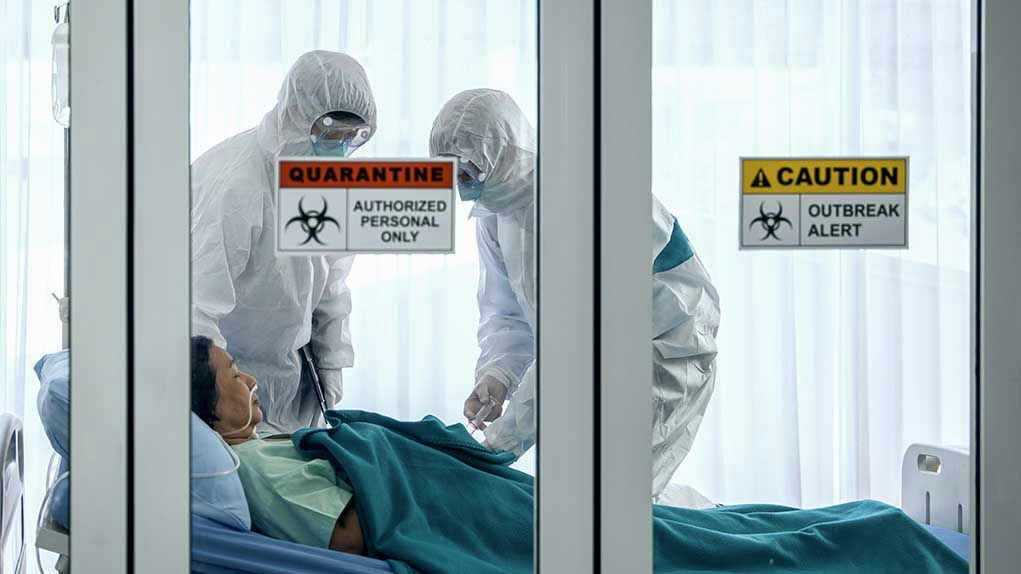
Authorities in China have reported more than 8,000 confirmed chikungunya cases in Guangdong province since June 2025, marking the country’s largest outbreak of this mosquito-borne virus. In response, the Chinese government enacted strict measures—including quarantines, mass mosquito control, and international travel advisories—mirroring tactics seen during the Covid-19 pandemic. The rapid escalation of cases and the aggressive, top-down public health interventions have drawn global scrutiny, raising concerns about transparency and the long-term ramifications of such heavy-handed containment policies.
Public health authorities have justified these controls by citing the dangers posed by chikungunya, a virus that causes severe joint pain and can disrupt communities for weeks. The outbreak’s origins are tied to Guangdong’s monsoon flooding, which created ideal breeding conditions for Aedes mosquitoes. With the local population dense and mobility high, officials moved quickly to deploy drone-based fogging, conduct household inspections, and levy fines for non-compliance. These measures have been supplemented by travel alerts from the CDC and similar agencies, as the risk of spread to neighboring regions—including Taiwan—has become evident.
Climate and Mobility Drive Global Health Risks
Experts point to climate change as a key factor in the outbreak’s severity. Warmer temperatures and increased flooding have expanded the range and breeding season of disease-carrying mosquitoes, making outbreaks like this more likely in the future. Additionally, the surge of global travel and trade has allowed these viruses and their vectors to reach new areas at an unprecedented pace. China’s experience mirrors past chikungunya outbreaks in India, Southeast Asia, and the Americas, but the scale and urban intensity in Guangdong create new challenges for containment and health system resilience.
While the current outbreak has not resulted in mass fatalities, the symptoms—particularly persistent joint pain—can be debilitating, leading to lost productivity and strained healthcare resources. Economic impacts are already emerging, with travel, tourism, and local commerce disrupted. International observers warn that heavy-handed interventions, if prolonged, may erode public trust and set worrying precedents for personal freedoms and government reach, especially if transparency remains limited.
Implications for Liberty, Public Health, and the U.S.
The return of sweeping restrictions in China highlights the ongoing tension between public health imperatives and individual liberties. For Americans, these developments serve as a stark reminder of the need for clear, constitutional boundaries on government power—even in emergencies. The outbreak’s links to environmental factors and global mobility underscore the importance of vigilance and preparedness within the U.S. healthcare and border systems, especially as international cases have arisen and travel advisories are in effect. As public health experts track the situation, conservative readers should remain wary of any efforts—foreign or domestic—that use crises to justify unchecked government overreach or threaten core freedoms.
With the outbreak still active and the potential for further regional or global spread, the world will be watching how Chinese authorities balance disease control with civil liberties. The lessons learned—about transparency, effective response, and the limits of state power—will likely resonate far beyond China’s borders, especially among those who value constitutionally protected rights and the principles of limited government.
Sources:
Sanger Institute Blog (2025-08-07)