
Turkey cheered Washington’s decision to drop Syria from the terror list because it opens doors to rebuild, trade, and finally cool a long war’s embers.
Story Snapshot
- Turkey’s Foreign Ministry welcomed the United States delisting of Syria as a positive step.
- The State Department removed Syria from the State Sponsors of Terrorism list after review.
- Delisting eases legal and financial blocks tied to terrorism designations.
- Rare delistings signal major policy shifts and trigger new regional moves.
What Washington Did And Why It Matters
The State Department removed Syria from the State Sponsors of Terrorism list after a Congressional review window closed, marking a formal shift in United States policy toward Damascus. The Treasury Department reflected the change in sanctions guidance and archived Syria’s program status. This action turns a symbolic key that also unlocks practical gates: investment risk, insurance, bank compliance, and aid coordination. Past cases show delistings arrive rarely and only after set legal steps, which heightens the signal to allies and markets.
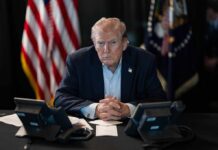
President Trump’s administration prepared the move with the required notice to Congress, framing it as part of a broader sanctions relief track aimed at recovery and stability in Syria. The legal mechanics are dry, but the effect is not. Banks read lists before they read speeches. When a government leaves this list, cross-border payments and trade talks start to thaw. That shift pressures neighbors, aid groups, and firms to update plans that were frozen by legal risk.
Turkey’s Welcome And The Stakes On Its Border
Turkey’s Foreign Ministry publicly welcomed the United States move and called it a positive development for Syria’s security and recovery. Ankara linked the change to easier reconstruction and a path to reintegration, which matches Turkey’s interests along its long, tense border. Fewer barriers can help restart commerce, manage refugee returns with safety, and reduce cross-border crime. Turkey has backed deals and steps it believes advance unity and stability inside Syria, aiming to calm a decade of spillover.
Ankara’s endorsement is not a surprise when viewed through practical needs. A safer, more connected northern Syria means fewer pressures on Turkish towns, cheaper logistics, and more leverage for local ceasefires. Turkish firms, especially in construction and basic goods, can move faster when sanctions risks fall. That is not charity; it is realism. Security improves when people can work, move products, and get power and water back online.
How Delisting Changes The Map Beyond Politics
Removal from the list does more than tidy a label. It reduces the red-flag status that made even legal trade feel dangerous to global banks. Insurers adjust coverage. Donors revisit projects. Aid corridors face fewer compliance traps. The Treasury archiving of Syria’s program and guidance on what restrictions no longer apply make this shift operational, not just rhetorical. Markets also read history. Past rescissions have come with tight procedures and few precedents, which is why this one carries weight.
Regional partners will test the opening with small steps first: spare parts, energy fixes, and telecom links. If those stick, larger projects follow. This ladder of trust depends on clear rules and steady enforcement. The United States retains many tools to target bad actors, but the base case now leans toward engagement rather than blanket isolation. That tilt invites neighbors to align their own sanctions and border rules with the new baseline.
A Conservative Read: Peace Through Order And Clear Rules
Supporters of a firm but fair foreign policy will see conservative logic here. Set a clear process, demand behavior change, and reward compliance with measured relief. That approach defends American interests while lowering costs for allies who carry the burdens of chaos next door. Turkey’s reaction underscores that order at the border beats endless brinkmanship. If delisting helps families return, restarts trade, and reduces the need for foreign missions, it tracks with common sense priorities.
None of this guarantees smooth sailing. A delisting is a door, not a destination. But it is a door many in the region have waited to open. The United States signaled its choice with a rare and consequential step. Turkey answered by placing a bet on stability and growth. Banks will follow the paperwork. Traders will follow the banks. And if the lights come back on in Syrian towns, the politics will follow the jobs.
Sources:
insiderpaper.com, content.govdelivery.com, aljazeera.com, ofac.treasury.gov, en.wikipedia.org, time.com
© targetliberty.org 2026. All rights reserved.