The Supreme Court just gave border turnbacks a legal shield, and the fight is far from over.
Quick Take
- The Court said the government may turn away some asylum seekers at the border without processing claims.[1]
- The ruling turns on one word: whether a person has “arrive[d] in the United States” under the immigration law.[1]
- The case involved a long-running metering policy that had already been rescinded, which makes the ruling legally sharp but operationally messy.[2][3]
- The decision may calm one side of the border debate while fueling new lawsuits, new pressure on Congress, and new media backlash.[3][4]
The Word That Decided the Case
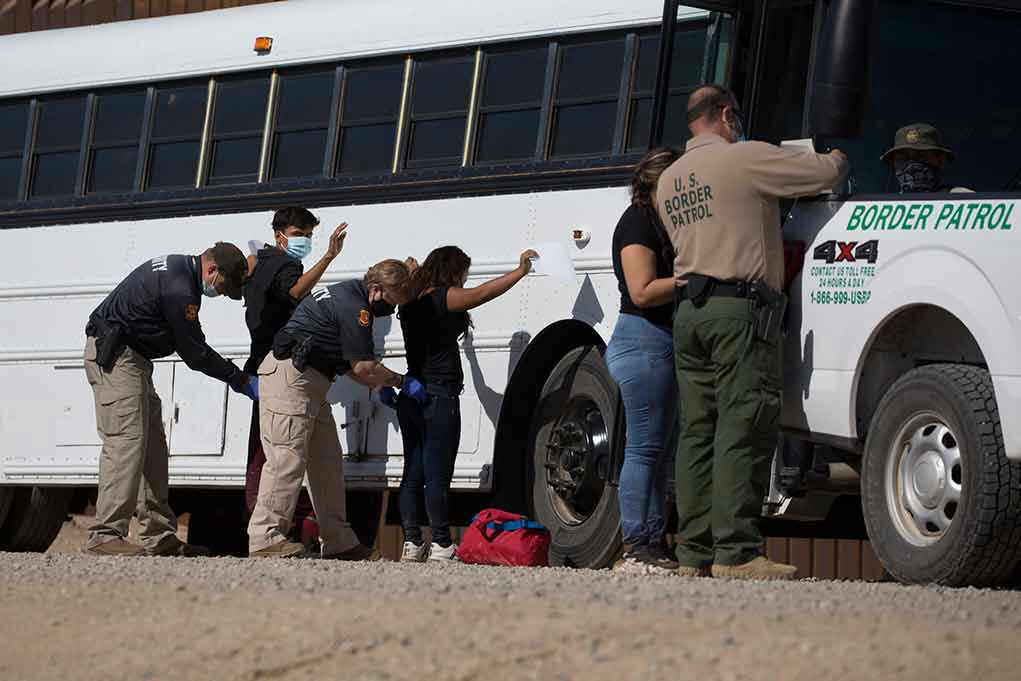
The case came down to a simple fight over language. The Supreme Court’s conservative majority ruled that a person stopped on the Mexican side of the border has not yet “arrive[d] in the United States” for asylum purposes.[1] That reading lets the government turn people back before inspection or processing. For supporters of tighter border control, that is a blunt win. For critics, it is a narrow word with huge human stakes.[1][4]
This ruling also sits inside a bigger pattern. For years, presidents from both parties have tried to limit asylum at the border when crossings rise.[2][8] Courts have often pushed back when those limits clash with the Immigration and Nationality Act. That is why the fight keeps returning. Washington keeps looking for a faster border fix, and the courts keep asking whether the law actually allows it.[2][8][13]
Why the Policy Keeps Coming Back
The turnback idea did not appear out of nowhere. Immigration officials used metering and other limits for years to slow intake at ports of entry.[2][9] The policy at issue here had already been revoked, which is why Bloomberg Law described it as “defunct.”[3] Still, the Court treated the legal question as live. That matters because old policies rarely die cleanly in immigration law. They often return under a new name, with new legal language and the same old pressure point at the border.[2][3]
The lower courts had gone the other way. The Ninth Circuit said the government could not avoid its duty to inspect and process asylum seekers by blocking them from stepping across the border.[1][4] The D.C. Circuit later ruled that the proclamation and guidance were unlawful because they bypassed the asylum system Congress wrote.[2] Those rulings made the legal landscape look unstable even before the Supreme Court spoke. After the high court’s decision, the practical result may depend on stays, follow-on litigation, and how aggressively the executive branch moves.[2][3]
The Political Cost Will Be Real
Politically, the ruling gives border hawks a strong talking point. It lets them say the law now matches a tougher enforcement model.[1][3] That message plays well with voters who see the border as a test of order, not symbolism. But the cost is just as clear. Media coverage is already framing the decision as a blow to asylum protections, and advocacy groups are gearing up for more court fights.[3][4][5][6]
The Supreme Court Says the U.S. Can Turn Away Asylum Seekers at the Border #SupremeCourt #AsylumSeekers #ImmigrationLaw https://t.co/pq3SksofMb pic.twitter.com/bMYv5M01Vc
— Meyner and Landis (@ML_LawFirmNJ) June 25, 2026
That split matters because immigration cases do not end with a single opinion. They keep moving through the system until Congress changes the statute or the executive branch changes course. The present fight is about one policy, but the deeper struggle is about who controls the border narrative: elected officials, judges, or the agencies that do the actual screening.[2][8][13] In that sense, the ruling is less a finish line than a fresh starting gun.
What Comes Next
Three things now deserve attention. First, whether the ruling takes hold immediately or gets slowed by more court orders.[2] Second, whether the Department of Homeland Security quietly rewrites procedures to match the new legal opening.[2] Third, whether Congress finally does what it has avoided for years and rewrites asylum law in plain English.[8][13] If lawmakers do not act, the same fight will return under the next president, with the same border, the same courts, and the same word driving everything: “arrives.”
Sources:
[1] Web – BREAKING: Supreme Court Sides with Trump, Allows Immigration Officials …
[2] Web – [PDF] RAICES v. Noem, No. 25-5243 – United States Court of Appeals
[3] Web – Border Restrictions and Court Orders 2017-2026
[4] Web – Supreme Court Rules Defunct Border Turnback Policy Is Lawful
[5] Web – Mullin v. Al Otro Lado | Center for Gender and Refugee Studies
[6] Web – Challenging Unlawful “Turnbacks” of Asylum Seekers at the Border
[8] Web – The Supreme Court Hears Asylum Turnback Case: What You Need …
[9] Web – How the Supreme Court is Shaping Immigration Policy
[13] Web – Federal Appeals Court Rules Trump Proclamation Eliminating …
© targetliberty.org 2026. All rights reserved.