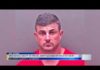
The Oklahoma secretary of state’s night run for fast food ended in handcuffs, bodycam rolling, and a statewide political reckoning.
Story Snapshot
- Police arrested Secretary of State Benjamin Lepak outside a McDonald’s on suspicion of public intoxication.
- Bodycam captured slurred speech, the odor of alcohol, and shifting stories about how he got there.
- The arresting officer said, “You’re under arrest for public intoxication… lucky it’s not a DUI”.
- Oklahoma’s attorney general said Lepak was “thoroughly inebriated” and urged his removal.
What Police Say Happened Outside the McDonald’s
Edmond police moved in on Aug. 14 after spotting Benjamin Lepak in a McDonald’s drive-thru area and noting signs of alcohol use. Officers said he slurred his words, smelled of alcohol, and struggled with balance. Body-worn camera video shows the officer stating the legal basis on the spot: public intoxication. He then told Lepak he was “lucky it’s not a DUI,” a line that set the tone for how the public heard the case.
Reporting describes Lepak giving different answers about how he arrived. Accounts include that he drove, then that he did not, and later that he walked from St. John the Baptist Church. Bodycam summaries also capture a shift on drinking itself, from a denial to “a beer,” then “less than one beer.” These contradictions matter because they erode credibility at the roadway, which is where probable cause lives or dies for street-level decisions.
What Lepak’s Office Says, and What Is Missing
Lepak’s office put out a short defense: he was waiting for dinner outside McDonald’s and was not given a breathalyzer test. The statement also said he will handle the ticket in court. The lack of a chemical test gives supporters a clean talking point. Still, public intoxication cases often rise on officer observations under the totality of the circumstances test, not lab results. That is standard, even if it feels unsatisfying to the public.
The bodycam remains the core evidence in the public square. It is vivid and direct, so it shapes opinion fast. Yet it is also a slice of time. The full incident report, dispatch logs, and any 911 call audio would fill important gaps, like the timeline and who first raised concern. The gaps do not erase what the camera shows; they do define what questions remain for court and for voters.
The Political Firestorm and Conservative Lens
Oklahoma Attorney General Gentner Drummond watched the footage and then called Lepak “thoroughly inebriated.” He urged immediate removal, arguing the facts on video left no doubt. That statement raised the stakes from a municipal arrest to a statehouse crisis in days. On the merits, his call aligns with a simple conservative standard: tell the truth to police, respect the law, and do not embarrass the office you hold.
A quick caution is fair. An arrest is not a conviction, and clipped video can miss context. But the camera does show slurring, an odor claim, and changing stories, which are classic signs officers cite in these cases. The absence of a breath test does not sink a public intoxication case by itself. Courts have long accepted trained observation when it is consistent and specific, as reporting here suggests.
Character, Pattern, and the Road Ahead
Coverage also flagged a prior alcohol-related matter in 2022, including a no-contest plea to public intoxication. Past cases do not prove present guilt, but they do shape public trust. Voters often forgive one bad night; they get stricter when patterns appear. That is why Lepak’s best path runs through transparency: release the full video, the report, and witness statements. If there is exonerating context, show it, not just say it.
The practical next steps are clear. The city can release the complete incident file and dispatch records. Lepak can give a precise account, once, and stick to it. If he walked from church, witnesses can confirm it. If he did not drive, phone location data and car keys history can support that. Truth has receipts. The public will weigh those receipts against what the bodycam already burned into memory. Offices are bigger than any one official; standards must be, too.
Sources:
foxnews.com, koco.com, oklahoman.com, youtube.com, facebook.com
© targetliberty.org 2026. All rights reserved.