Body-camera video from a New York factory raid shows the split-second choices that now define immigration enforcement — and the paper trail that will judge them.
Story Snapshot
- Body cameras recorded 57 arrests during a factory raid, plus debates over files and releases.
- Immigration and Customs Enforcement policy covers warrant executions and treats footage as official records.
- A judge later found agents exceeded the administrative warrant’s limits, raising suppression stakes.
- Video release flows through strict review, with the agency controlling timing under policy.
What The Cameras Captured Inside The Factory
Body-camera video from the raid shows federal agents moving fast through a nutrition bar plant in Cayuga County. The footage tracks the operation over hours as teams make 57 arrests, pause to argue over which company files qualify for seizure, and decide when to let U.S. citizen employees go. That last part matters because it shows line agents weighing scope and discretion in real time. The video is raw evidence, but it is also an official record that lawyers, a judge, and the public can review later.
Public reporting says investigators had two legal tools for the site: a warrant to seize records and electronics tied to possible hiring violations, and authority for consensual questioning of employees. The guardrails were clear on paper: no pressure to talk and arrests only with probable cause of unlawful status. Defense filings claim the search component started late, after widespread detentions and questioning. That sequence, if accurate, invites legal challenges to any evidence gathered after overbroad stops.
The Paper Rules That Now Shape Every Frame
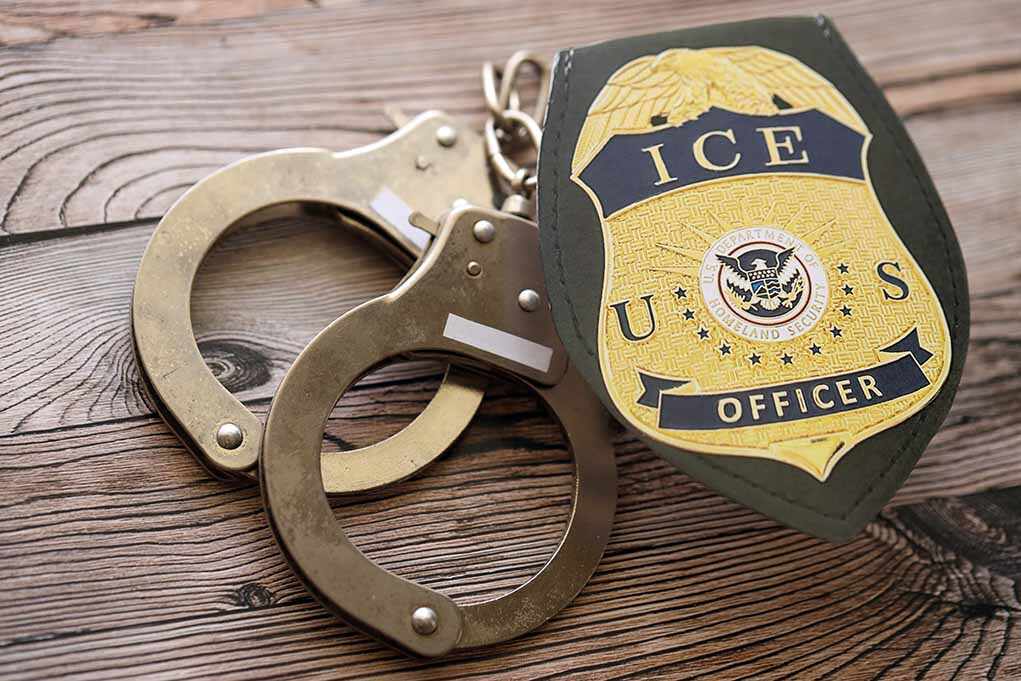
Immigration and Customs Enforcement policy states body cameras must be worn for covered field work, including executing or attempting to execute search or seizure warrants. The agency treats every recording as an official record that must be preserved under federal archives rules until a schedule allows disposal. That structure matters more than the viral clip. It means what agents said and did in those hallways is not just “caught on tape.” It is cataloged, auditable, and discoverable in court.
Release of the footage to the outside world runs through a tight channel. The Department of Homeland Security requires coordination with the Immigration and Customs Enforcement Office of Information Governance and Privacy before any external sharing. The body-camera directives add formal steps, including privacy review and logging disclosures. The agency allows release in response to Freedom of Information Act requests and in litigation, but it controls timing and redaction to protect privacy and ongoing cases. That balance aims to show the public what happened without ruining prosecutions.
The Legal Clash: Warrants, Detentions, And Probable Cause
A state of facts matters more than narratives here. A Bloomberg Law review describes warrants aimed at company records and voluntary interviews, not blanket arrest powers. An editorial board summarized a federal judge’s 27-page ruling finding agents overstepped the administrative warrant and that neither it nor a later criminal warrant authorized detaining or arresting people as a class. If that reading stands on appeal, the case heads toward suppression battles and possible fallout for any related charges.
Conservative common sense says enforce the law, but do it cleanly. Warrants are a ceiling and a floor. Stay within them and evidence sticks. Step outside and you hand defense counsel the keys to the courtroom. The body cameras cut both ways. They can confirm discipline and probable cause, or they can timestamp a drift from the warrant’s scope. Either way, the camera turns actions into facts that a judge can measure against the Fourth Amendment’s limits.
Why This Raid Is A Test Case For Camera Policy
The raid shows how body cameras change incentives. Agents know footage can surface through Freedom of Information Act requests, lawsuits, and congressional interest. That knowledge should refine tactics. The public wants transparency; prosecutors want admissible evidence; defense lawyers want proof of overreach. The release regime tries to serve all three. It preserves records, routes them through privacy review, and then lets courts and the public scrutinize the final product when the law allows.
Future raids will follow the same path. Wear the cameras when executing warrants. Capture each detention and each articulation of probable cause. Log the files as official records. Release footage when the rules say to, not to win a news cycle. That is how enforcement keeps legitimacy and how communities accept firm action as fair action. The camera will not save a bad case. It will, however, protect a good one — if agents match the video to the warrant, step by step.
Sources:
youtube.com, ice.gov, immigrantnews.pro
© targetliberty.org 2026. All rights reserved.