

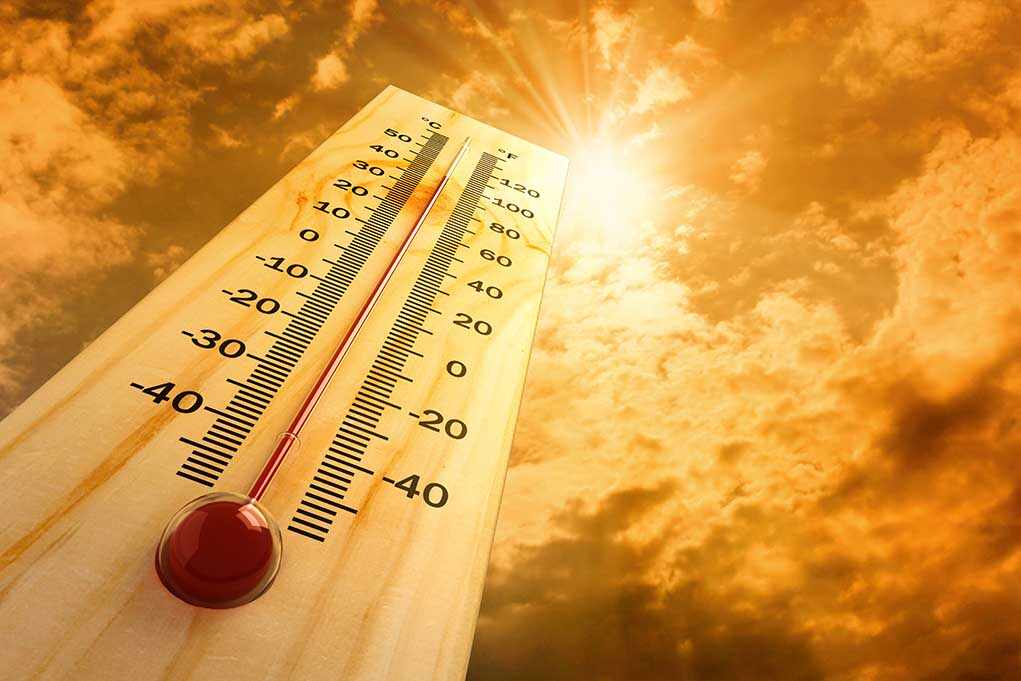
Japan just hit a point where heat was not just weather, but a full-blown test of how far a modern society can stretch before its systems start to crack.
Story Snapshot
- Over 10,000 people in Japan were rushed to hospital for heatstroke in a single week.
- Tokyo logged 453 heat-related hospitalisations in one day, a record since 2010.
- Emergency calls hit their highest level since 1963 as services strained under demand.
- Officials described the heatwave as a “disaster,” with at least 14 deaths in a week.
When heat turns into a national stress test
Japan did not just have a hot week; it had a week where more than 10,800 people were taken to hospital by ambulance for heatstroke across the country, over twice the number from the week before. That kind of jump is not a mild seasonal bump. It is what one senior official bluntly called “not an exaggeration to say it’s a disaster,” as older people made up more than 60 percent of the cases. Heat stopped being a background annoyance and became a front-line public health threat.
Tokyo sat at the sharp edge of this crisis. On one brutal Wednesday, the Tokyo Fire Department transported 453 people to hospitals for heat-related problems, the highest daily count since its records began in 2010. At the same time, emergency dispatches hit a 63-year high, meaning ambulances were running flat out. This was not only about people collapsing in parks; more than 4,500 nationwide suffered heatstroke inside their own homes that week. Staying indoors was not enough protection.
The numbers behind the word “disaster”
The word “disaster” was not media hype; it came from the Fire and Disaster Management Agency itself. Over one recent week, the agency reported at least 14 heat-related deaths and around 11,000 people seeking emergency medical care as extreme temperatures pushed past 40 degrees Celsius in multiple areas. For a country used to careful, measured language, that official label matters. It signals that the event crossed a line from difficult into dangerous, especially for older citizens, who made up most of the severe cases.
These figures also fit a rising pattern. In the summer of the previous year, more than 100,000 people were sent to hospitals for heat stroke between May and late September, the highest number on record and roughly three percent more than the year before. Japan’s average temperature that summer was the hottest since such records began in 1898. When you see tens of thousands needing hospital care year after year, the latest spike to over 10,000 in a single week looks less like a one-off freak event and more like another step up in an ongoing climb.
How Japan tried to stay ahead of the wave
Japan’s weather agency did not walk into this blind. Earlier in July, it issued what it calls Early Warning Information on Extreme Weather, saying a “once in a decade” level of heat was likely to hit wide regions from around July 8. That system only triggers when the odds of very unusual heat are high, and it is meant to give people up to six days to prepare. The warning was basically a red flag: this heat was statistically unusual and would not be something people could shrug off.
That forecast turned into reality as “cruelly hot days” over 40 degrees Celsius rolled across multiple prefectures and heatstroke alerts spread widely. Yet despite the warning, many of the people rushed to hospital were at home when they fell ill. That detail exposes a quiet weakness. Public advisories and alert maps help, but they do not reach every older person living alone, or every worker who still feels pressured to endure the heat instead of adjusting hours or staying inside with air conditioning.
What this says about resilience and common sense
From a common-sense, conservative view, the lesson is not that people should live in fear of summer. It is that systems and habits must match known risks. Japan now knows that, in a bad week, ambulance services can hit record demand and thousands of seniors can end up in hospital beds because of heat. That should trigger practical changes: more local check-ins on older neighbors, clear workplace rules for dangerous temperatures, and honest planning for power use so people can afford to cool their homes.
Tokyo recorded on Wednesday the most daily heat-related hospitalisations since 2010, emergency services said as Japan sweltered in a severe heatwave, with one person dead and four in a critical condition.https://t.co/Q06RJLpA9c
— KTN News (@KTNNewsKE) July 23, 2026
Some will argue that Japan has faced big heatwaves before, so this is just the new normal. Prior seasons already saw thousands hospitalized and dozens killed. But that framing can dull urgency. When officials start using the word “disaster,” and when one city logs its highest daily hospitalisations on record, that is more than routine. It is a sign that the balance between climate, infrastructure, and personal choices is shifting, and that ignoring the trend means letting the most vulnerable carry the heaviest cost.
Sources:
insiderpaper.com, rfi.fr, www3.nhk.or.jp, bbc.com, bloomberg.com, theguardian.com, en.wikipedia.org, youtube.com
© targetliberty.org 2026. All rights reserved.