

Lindsay Clancy’s lawyer went on national television and asked President Trump for a pardon after her state murder trial ended in a mistrial.
Story Snapshot
- Defense attorney Kevin Reddington made a direct public plea to President Trump for a pardon.
- A Massachusetts judge declared a mistrial after a deadlocked jury in Clancy’s case.
- Presidential pardons cover federal crimes, not state charges like Clancy’s.
- The mistrial leaves charges in place and allows a potential retrial.
Defense Turns A Courtroom Stalemate Into A National Plea
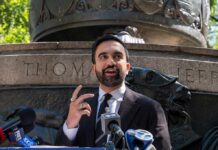
Kevin Reddington, the attorney for Lindsay Clancy, asked President Trump on Good Morning America to pardon his client. He framed his appeal around her hardships and the hung jury. He said, “Mr. President, I would hope that you would consider this young lady … and consider a pardon”. The ask came days after the judge declared a mistrial in the Massachusetts case, which charged Clancy with murdering her three children in 2023.
The legal posture remains unchanged. A jury could not reach a unanimous verdict, so the judge declared the panel deadlocked and entered a mistrial. A mistrial is not an acquittal or a conviction. It means the trial did not reach a binding result. Prosecutors can try the case again, and the charges stay in place unless dismissed or resolved by agreement.
Lindsay Clancy attorney Kevin Reddington making an appeal to Trump: "Mr. President, I would hope that you would consider, this young lady, the type of person she is, what she's been through, and consider a pardon." pic.twitter.com/dk2zO03XHv
— Townhall.com (@townhallcom) September 8, 2026
What A Presidential Pardon Can And Cannot Do
The United States Constitution limits presidential pardons to “offenses against the United States,” which means federal crimes. That boundary does not reach state prosecutions. The United States Department of Justice explains that the President’s clemency power covers federal offenses and certain District of Columbia cases, not violations of state law. Clancy’s case is a Massachusetts state prosecution, so any final mercy would come from state authorities, not the White House.
Legal guides across the spectrum repeat the same bottom line. The American Bar Association’s explanation states that presidents cannot pardon state offenses because of the Constitution’s text and federalism principles. The rule is not a technicality. It protects state police powers and keeps Washington, D.C., from overruling local juries and judges. For readers who value limited government, this line is a bright guardrail, not red tape.
Why Ask Anyway? The Strategy Behind A Symbolic Request
The appeal to President Trump still serves a purpose. A high-profile ask can shape public debate and may nudge local actors. Defense teams sometimes use national spotlights to press for a plea, a reduced charge, or a more careful second look at evidence. Reddington also knows the public tracks mental health angles and prosecutorial steps in hard cases like this. He is positioning his client for any next move, whether retrial, deal, or a state-level clemency route.
Lawyer asks Trump to pardon Lindsay Clancy after deadlocked jury
Lindsay Clancy’s attorney, Kevin Reddington, has appealed to President Donald Trump to consider a pardon for his client following a mistrial in her murder trial last week.
ABC News reports that Reddington made the… pic.twitter.com/2fg44tnFLQ
— Rifnote (@viarifnote) September 8, 2026
Conservatives often press two points at once in cases like this: justice for victims and respect for legal limits. Those values align here. The system should weigh facts carefully if a retrial comes. At the same time, the Constitution draws a clear line on pardons. If mercy is warranted, it should come through the state’s own process, not a fix that the Constitution does not allow. That keeps the law neutral and the path of accountability clear.
Sources:
nypost.com, abcnews.com, npr.org, abc7news.com, rev.com, yahoo.com
© targetliberty.org 2026. All rights reserved.