
A federal indictment of Haiti’s most infamous gang leader exposes just how far violent criminal networks can reach—and how determined the U.S. is to push back with its own power, no matter the threat to American security or sovereignty.
Story Snapshot
- A federal grand jury has indicted Haitian gang boss Jimmy ‘Barbecue’ Cherizier for conspiring to violate U.S. sanctions, marking the first such case against a top Haitian gang figure.
- Cherizier, a former police officer, leads the powerful G9 gang that has orchestrated jailbreaks and attacks, destabilizing Haiti for years.
- The U.S. is escalating efforts to dismantle transnational criminal networks and disrupt financial flows threatening regional security.
- Despite mounting international pressure, Cherizier remains at large, and his gang’s violent grip on Haiti presents ongoing risks to both local and U.S. interests.
U.S. Indicts Notorious Gang Leader for Sanctions Violations
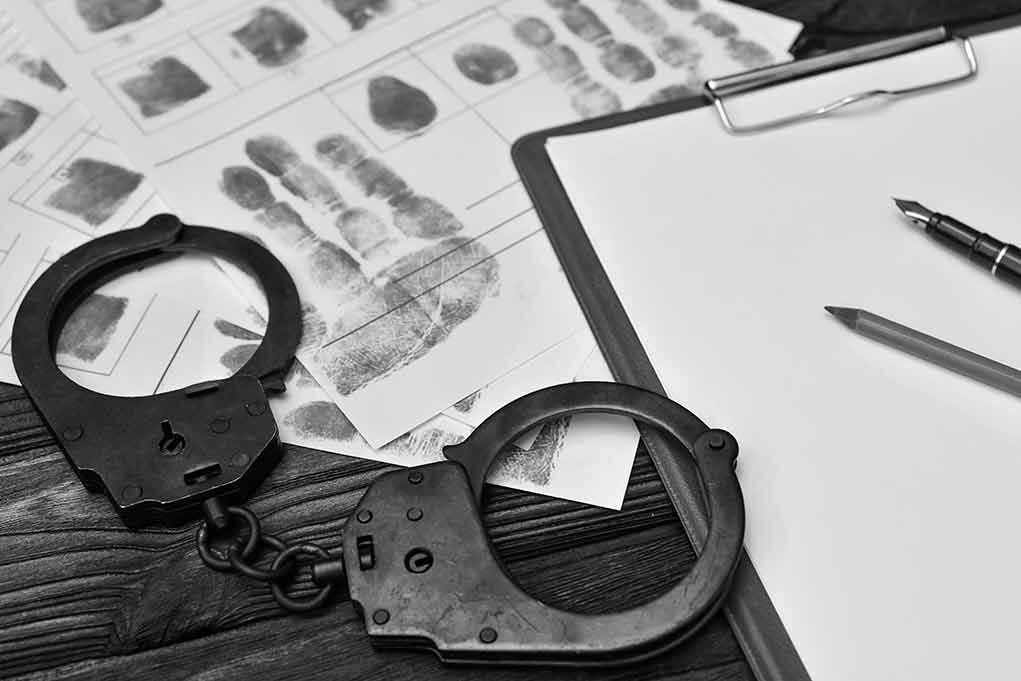
On August 12, 2025, a federal grand jury in Washington, D.C. indicted Jimmy “Barbecue” Cherizier, Haiti’s most powerful gang boss, for conspiracy to violate U.S. sanctions. This unprecedented move targets Cherizier’s extensive criminal network, focusing specifically on schemes designed to evade U.S. restrictions that aim to disrupt his operations and financial channels. It’s the first time American authorities have brought direct sanctions charges against a Haitian gang leader, with the broader goal of sending a message to all foreign actors threatening U.S. interests and regional stability.
The indictment comes after years of extreme violence orchestrated by Cherizier’s G9 Family and Allies, a federation of more than a dozen gangs controlling key neighborhoods and infrastructure in Port-au-Prince. Since the 2021 assassination of Haiti’s president, Cherizier’s G9 has been at the center of a wave of chaos—staging mass jailbreaks, attacking government institutions, and destabilizing what little authority the Haitian state held. U.S. sanctions were first imposed on Cherizier in response to his documented human rights abuses and repeated efforts to undermine legitimate governance in Haiti.
Background: A Gang Warlord’s Rise from Police Ranks
Jimmy Cherizier’s transformation from police officer to warlord exemplifies the dangers of unchecked corruption and failed governance in the Caribbean. With the state in disarray, Cherizier consolidated power by uniting gangs and leveraging his law enforcement background, ultimately seizing control over significant portions of Port-au-Prince. His rise was fueled by a breakdown in Haiti’s institutions, leading to widespread violence, political instability, and a deepening humanitarian crisis. The G9’s brutal campaigns in 2023 and 2024, including a notorious jailbreak and an attempted airport siege, forced the resignation of Haiti’s prime minister and left the country on the brink of collapse.
Previous U.S. actions against Haitian criminal figures focused on gun trafficking and money laundering, but Cherizier’s case marks the first time sanctions violations have been the centerpiece of a federal prosecution. This reflects a shift in U.S. strategy, using the extraterritorial reach of American law to strike at the financial lifelines that sustain foreign criminal networks. For American conservatives, this approach underlines the importance of strong national borders and the threat posed by international lawlessness that can spill over into domestic security concerns.
Current Status: International Pursuit and Legal Challenges
Despite the indictment and increased efforts by U.S. agencies, Cherizier remains at large in Haiti, continuing to threaten stability and undermine any effort at rebuilding legitimate government. American authorities are now seeking international cooperation to track down, arrest, and extradite him—a process complicated by Haiti’s weak institutions and the entrenched power of criminal groups. The Justice and Treasury departments have publicly committed to disrupting Cherizier’s network through coordinated law enforcement actions, but the danger of escalating violence remains high as G9 and its allies react to the new pressure.
No statement has been issued by Cherizier or his organization, and the lack of a functioning Haitian government further complicates any straightforward resolution. While some experts warn that aggressive U.S. intervention could provoke backlash or accusations of undermining Haitian sovereignty, others see this as a necessary step to restore order, protect American interests, and set a precedent for cracking down on transnational crime.
Implications: Security, Policy, and Conservative Concerns
The indictment sends a clear signal that the United States will not tolerate foreign criminal organizations exploiting weak borders or circumventing American law, especially when these networks threaten to destabilize an entire region. In the short term, the pressure on Cherizier and his gang could fuel further violence in Haiti, increasing humanitarian needs and risking broader regional instability. Long term, this case establishes a precedent for U.S. enforcement of sanctions beyond its borders, serving as a warning to other criminal actors and rogue regimes that American law will be enforced wherever U.S. interests are at stake.
U.S. Grand Jury Indicts Haitian Gang Boss Jimmy ‘Barbecue’ Cherizier https://t.co/xKXuwOAYg0 via @BreitbartNews
— Elizabeth Hicks (@h93479) August 14, 2025
For conservative Americans, this story reinforces several core concerns: the danger of porous borders, the risks posed by transnational crime, and the need for a government that prioritizes national security and traditional values. The breakdown in Haiti serves as a stark reminder of what can happen when lawlessness goes unchecked and public institutions fail. While the pursuit of Cherizier is far from over, the renewed determination to enforce U.S. law abroad is a victory for those who value the rule of law and the protection of American sovereignty.