
Washington just sent a blunt message: an American who helped China’s operatives will spend two years in federal prison.
Story Snapshot
- Thomas Weir Pauken II received two years in prison and three years of supervised release
- The Justice Department said he acted as an agent for China inside the United States
- Pauken pleaded guilty in June 2026 before his September sentencing
- Officials said he leveraged his U.S. passport to aid Chinese intelligence tasks
A Guilty Plea, Then Prison: What The Court Decided
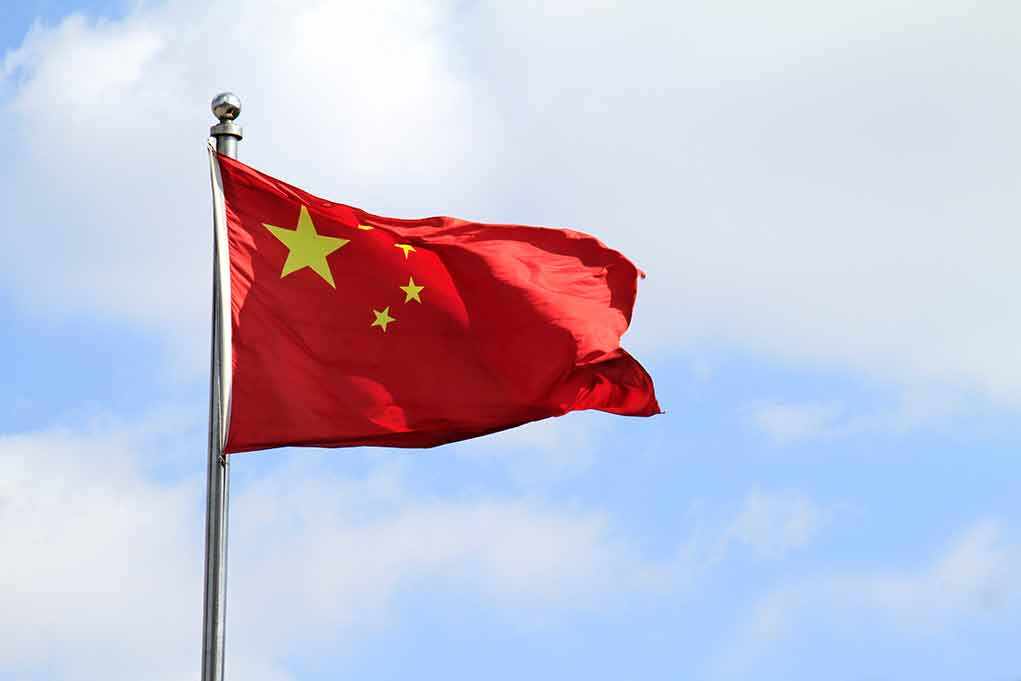
The Department of Justice said Thomas Weir Pauken II, 51, admitted to working as an agent of a foreign government within the United States and was sentenced to two years in prison, followed by 36 months of supervised release with no overseas travel. Prosecutors said Pauken lived and worked in China, and his activity stretched from at least 2019 until February 2026 under the direction of people he knew were tied to China’s intelligence services. He pleaded guilty on June 5, 2026.
Get caught spying in China and you do not get two years and a lecture.
Beijing executes its own people for selling secrets. In 2024 and 2025, China’s Ministry of State Security announced death sentences for former state employees who handed classified material to foreign… pic.twitter.com/O2HHRmwiqZ
— Patricia 🇺🇸 (@1109Patricia) September 3, 2026
The June plea cemented the core charge: acting as an agent of a foreign government without proper registration or notice to U.S. authorities, inside the United States. Prosecutors said Pauken worked with a contact identified only as “Cathy,” whom he met in 2017, and then carried out taskings while in the United States. Officials said he also sold reports to Chinese contacts in Wuhan seeking insights on technology and the U.S. Department of Justice.
How Prosecutors Said The Scheme Worked
Justice Department leaders framed Pauken’s role as a mobility asset who used his American citizenship to move in and out of the country and help recruitment and information-gathering for China’s Ministry of State Security. The department said Pauken “knowingly assisted a foreign adversary” and did it for money. That description matters. It signals a counterintelligence focus on direction and control, not just friendly networking or journalism at arm’s length from the state.
Federal records show this category of case has been rare over time, which is why each conviction draws outsized attention. Analysts have noted that criminal cases for acting as an undeclared foreign agent have been scarce for decades, even as foreign influence concerns surged in public debate. That scarcity can make a single guilty plea look like a bellwether for how far the government will push future enforcement and what penalties courts will back.
Where This Fits In The China Playbook
The Department of Justice has, for years, treated China-related influence and espionage-adjacent activity as part of a single national security front, blending economic theft, recruitment, and undeclared-agent cases. The agency’s own summaries say a large share of economic espionage cases involve benefits to China, which shows the scale of suspected activity and the government’s priority on deterrence. Pauken’s case sits on that continuum: not a stolen war plan, but a directed information and recruitment vector that touched U.S. soil.
Another remarkably short sentence, 2 years, for someone spying for China. Thomas Pauken was an American journalist that worked for Chinese 'news' agencies.
Thomas was also a spy. He was payed $100,000 to deliver a phone to an American with access to classified information🔗 pic.twitter.com/nZHn1mFpmN
— Michael Ron Bowling (@mrbcyber) September 3, 2026
Conservative readers often ask the same question: is two years enough to deter? The answer depends on what the government can prove and what the law covers. The court sentenced Pauken for acting as an agent, not for classic espionage. That distinction narrows the penalty. Still, a real prison term, plus a three-year travel ban and supervised release, sets a floor that signals consequences for helping a foreign security service reach into the United States.
The Stakes For Open Doors And Open Eyes
The government’s case underscores a basic lesson: access is value. A U.S. passport, a stateside visit, a meeting in a coffee shop—these become bridges for foreign services when someone agrees to tasks. Prosecutors said Pauken used those assets to support direction from Chinese contacts, including selling reports tied to technology and the Justice Department. The line between research and service to a foreign security arm is not blurry in the law when direction and control are present, which is what Pauken admitted by his plea.
The bottom line is simple. You can speak with anyone, but you cannot operate inside the United States at the direction of a foreign government and keep it secret. That is not speech. That is service. The court’s sentence marks that line in bright ink, and it tells anyone tempted by quick money or flattery what waits on the other side of that line: a felony plea, a number from the judge, and a tight leash after release.
Sources:
en.wikipedia.org, bbc.com, justice.gov
© targetliberty.org 2026. All rights reserved.